Unfortified Nutritional Yeast: Reading the Label
It is easy to assume that every nutritional yeast supplies vitamin B12. In fact, products differ: some have vitamins added and others do not. Nutritional yeast without fortification has its own nutrient profile, but its name alone does not establish how much of any particular vitamin it contains.
The useful comparison starts with the package. For nutritional yeast with no added vitamins, check the serving weight, protein, fiber, and listed vitamins; use the same steps for a fortified product. A label gives a more specific answer than a general statement about yeast.
Non Fortified Nutritional Yeast: A Label Example
One example is Foods Alive Nutritional Yeast Unfortified, listed by Fullscript. Its stated serving is 3 tablespoons (15 grams). The ingredient listed is dried yeast, and the following amounts come from that product listing:
| Nutrient | Per 15 g serving |
|---|---|
| Calories | 60 |
| Protein | 8 g |
| Total carbohydrate | 5 g |
| Dietary fiber | 4 g |
| Total fat | 0 g |
| Sodium | 70 mg |
| Thiamin (vitamin B1) | 2.4 mg |
| Niacin (vitamin B3) | 14.4 mg |
These values describe that particular unfortified nutritional yeast, not an average for every brand. The listing also reports other nutrients but does not list a B12 amount. It is not evidence that another package has the same composition, or that this product supplies a meaningful amount of B12.
The serving is a quantity of seasoning, not a mandatory amount to add to a meal. If you use half of it, the listed 8 grams of protein and 4 grams of fiber would scale to approximately 4 and 2 grams, respectively. Rounding on the label means those scaled figures remain estimates.
Fortified and unfortified: what changes?
Fortification means a nutrient has been added to a food. Nutritional yeast naturally contains nutrients, while a fortified version may include added vitamins or minerals. Compare ingredient lists as well as the Nutrition Facts panels: an ingredient list can identify additions, while the panel shows declared amounts per serving.
Non fortified nutritional yeast can have a different vitamin profile from a fortified product, but “fortified” does not mean that all fortified packages contain the same vitamins. One might list B12; another may emphasize different additions. The National Institutes of Health notes that some nutritional yeasts are fortified with B12 and advises checking the label for added B12.
For yeast that is not vitamin fortified, do not infer B12 from the presence of protein or from the yellow color of the flakes. If the listing does not provide a B12 value, it does not establish an amount. If knowing that value matters to you, check the current package or ask the manufacturer for product-specific information.
Read protein, fiber, and serving size together
A tablespoon is a measure of volume, and different flakes and powders can pack differently. Two packages may both use tablespoons but assign different gram weights to them. Comparing the numbers as printed may therefore compare unequal amounts of food.
For a common-weight comparison, divide the listed nutrient by the serving grams and multiply by a chosen weight. In the Foods Alive example, 8 grams of protein divided by 15 grams of product and multiplied by 10 gives roughly 5.3 grams of protein per 10 grams. Use the same calculation for the other package, then consider how much you actually sprinkle onto your food.
The fiber listed for a serving is part of total carbohydrate, not an extra amount to add to it. The FDA explains that label amounts refer to the stated serving. If you use a different quantity, scale the values accordingly and remember that rounding can make small portions less precise.
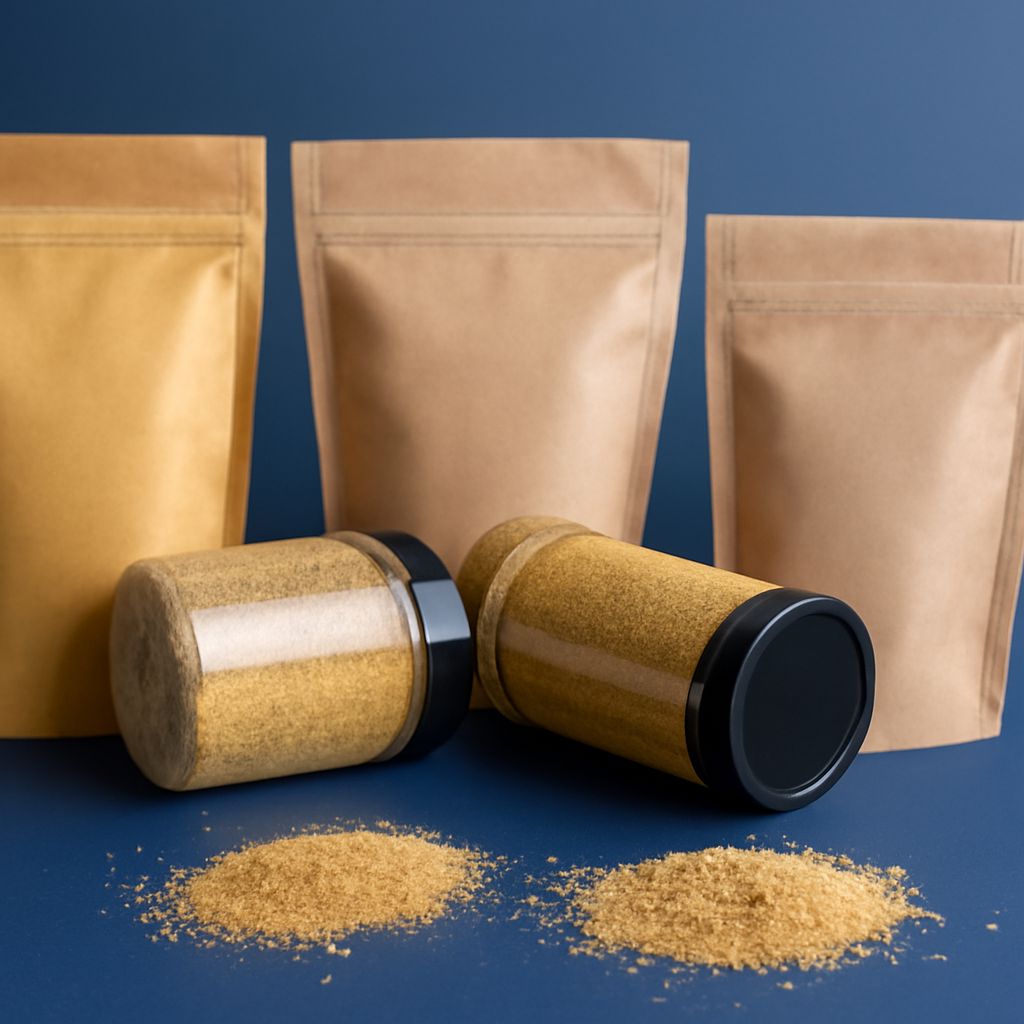
A non-fortified nutritional yeast may be sold as a fine powder or as flakes. Measure by weight when a precise comparison matters; otherwise, the listed serving can serve as a practical guide. Keep the protein and fiber figures tied to the actual product, because processing and label declarations may vary.
Using the information in a meal
Non fortified nutritional yeast can be sprinkled on popcorn, stirred into soup, or mixed into a sauce. Its savory flavor makes a little useful as a seasoning. Add it gradually, tasting as you go, because the amount needed for flavor may be smaller than the serving on the package.
When nutritional yeast without added vitamins is one ingredient in a dish, its protein and fiber are only part of the total. Beans, pasta, vegetables, oil, and other ingredients each contribute their own amounts. If a recipe serves four, divide the total quantity of yeast by four before estimating the contribution to one portion.
Unfortified nutritional yeast is one choice among several versions, and the best comparison depends on what you want from it. A person choosing for flavor may focus on texture and ingredients; someone interested in a particular vitamin needs to inspect the stated amount for that product. Neither the product name nor a generic description substitutes for its own label.
Before comparing packages of nutritional yeast with no fortification, check the ingredient list and serving grams. Compare protein and fiber at equal weights, then inspect the declared vitamins, especially B12 if that is relevant to your choice. Finally, scale the values to the amount you actually plan to use.