Chicken Gizzard Nutrition: A Guide to a Cooked Serving
A serving of simmered chicken gizzards and a serving coated in batter and fried start with the same ingredient, but the finished dishes can contain different amounts of fat and calories. The nutrition of a chicken gizzard is best estimated from its cooked weight and preparation; the nutritional profile of chicken gizzards also includes protein, iron and zinc.
Chicken gizzards nutrition: A cooked reference portion
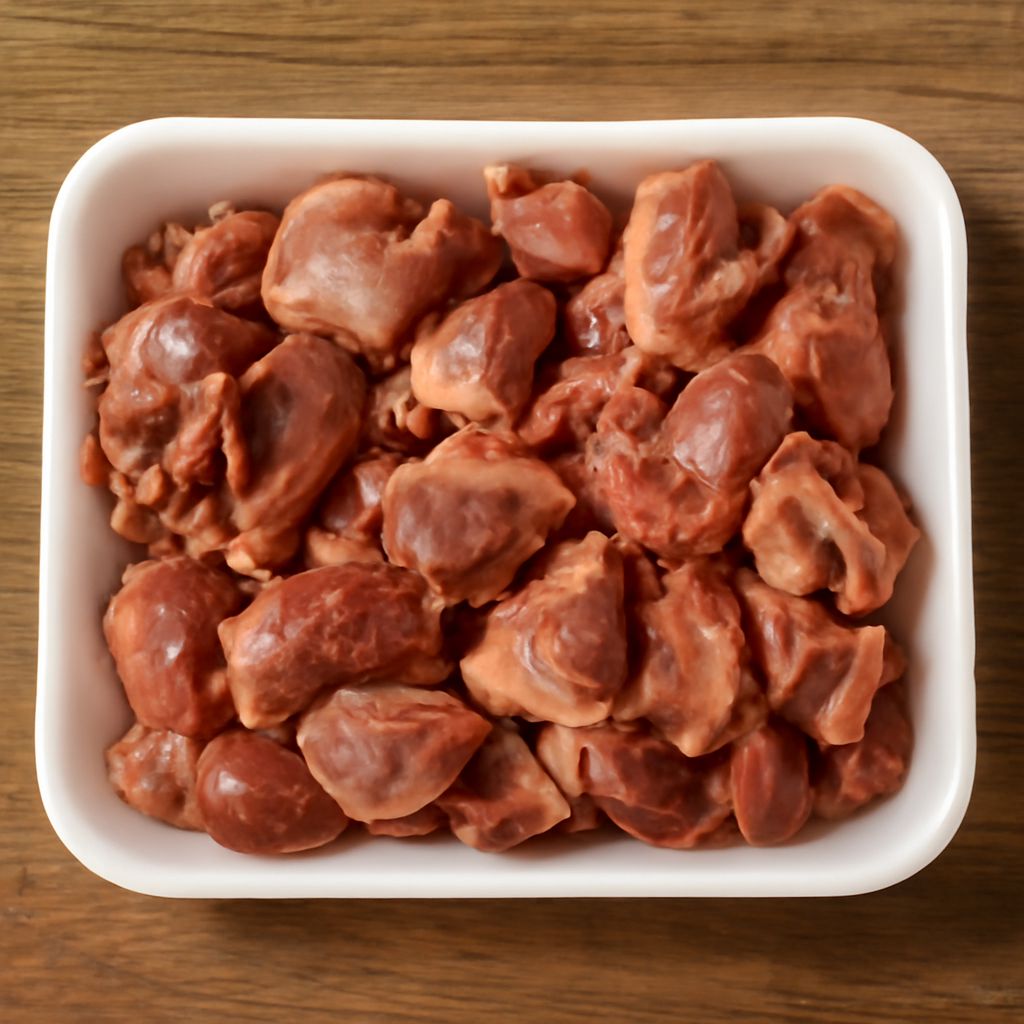
A chicken gizzard is a muscular organ that helps a bird grind food. Its firm texture makes it suitable for simmering, among other preparations. For a comparison you can use at home, start with 3.5 ounces, or 100 grams, of cooked, simmered gizzards before adding sauce or breading.
The USDA FoodData Central entry for chicken gizzard, cooked and simmered, reports the following approximate amounts per 100 grams. These are reference values for the edible cooked portion, not for the same weight of raw meat.
| Nutrient | Per 3.5 oz cooked |
|---|---|
| Calories | 154 |
| Protein | 30.4 g |
| Total fat | 2.7 g |
| Carbohydrate | 0 g |
| Iron | 3.2 mg |
| Zinc | 4.4 mg |
| Selenium | 41 mcg |
The chicken gizzard nutrition facts are a guide to a specific preparation. Cooking changes the water content and weight, and individual products vary. A smaller or larger portion changes the totals: 1.75 ounces of the same simmered food would provide approximately half the figures in the table.
Protein, fat and energy
Protein supplies amino acids, which the body uses to build and maintain tissues. The reference portion offers about 30 grams, making it a substantial protein component of a meal. Chicken gizzard nutrition also includes a modest amount of fat in the simmered reference food. Both protein and fat contribute energy, while the plain meat has essentially no carbohydrate in this database entry.
For someone planning a meal after exercise, the nutritional content of chicken gizzards can be paired with rice, potatoes or another carbohydrate source. Vegetables add fiber and other nutrients. The amount of protein needed across a day varies with body size, activity and the rest of the diet, so the table is a portion guide rather than a prescription.
Do not confuse protein per cooked ounce with protein per raw ounce. As moisture is lost during cooking, the same piece weighs less and nutrients become more concentrated by weight. For a consistent estimate of chicken gizzards’ nutrition, weigh your finished portion and use a matching cooked entry.
Iron, zinc and selenium
Iron helps carry oxygen in the blood, while zinc supports processes including normal immune function and wound healing. Selenium is involved in thyroid function and protection of cells from oxidative damage. These minerals contribute to the nutritional profile of cooked chicken gizzards, alongside minerals from other meats, seafood, beans and grains in the diet.
A 3.5-ounce portion provides about 3.2 milligrams of iron, 4.4 milligrams of zinc and 41 micrograms of selenium in the USDA reference. Chicken gizzards nutrition therefore includes more than protein and calories. The nutritional value of chicken gizzard varies with portion size just as its energy does; a half-sized serving supplies roughly half as much of each mineral.
The table is not a complete account of every nutrient. For example, the USDA entry also includes cholesterol and vitamin B12. If you track a particular nutrient, open the full entry and compare its units with your portion. Nutrition information for chicken gizzards is most meaningful when the weight and cooking method match.
What frying and sauce add
Simmering in water or broth and draining the meat leaves a different finished dish from flouring and deep-frying it. Breading adds carbohydrate and calories; absorbed oil adds fat and calories. The quantity absorbed depends on the recipe, so the table cannot tell you the exact figures for a restaurant order or a homemade fried batch.
A sauce can change the totals as well. A sweet glaze may add sugar, a creamy sauce can add fat, and a salty sauce can add sodium. For a home recipe, record the amounts added to the batch and divide them among the portions actually served. If some sauce stays in the pan, the amount eaten may be less than an equal share of the batch.
Chicken gizzards nutrition on a package may describe a breaded product or a serving with sauce. Read the product name, serving weight and cooking instructions before comparing it with plain simmered meat. For chicken gizzard nutrition in a complete dish, estimate the meat and additions separately, then combine them.
Cook and handle safely
Keep raw gizzards and their juices separate from ready-to-eat foods. Wash hands, utensils and surfaces after they contact raw poultry. Cook poultry giblets to at least 165°F internally, measured with a food thermometer; the USDA Food Safety and Inspection Service gives this minimum for poultry giblets. Insert the probe into the thickest part of a piece, checking that the sensing area is in the meat. Tenderness may require further simmering after the safe temperature is reached.
Refrigerate leftovers promptly and reheat them to 165°F. Color and cooking time alone cannot establish the internal temperature. These steps apply whether the final dish is served plain or finished with a sauce.
Compare your portion with the reference
For a home-cooked meal, weigh the simmered gizzards after cooking and before adding sauce. Divide that weight by 3.5 ounces, then multiply the table values by the result. For example, 1.75 ounces is half the reference portion. Add a separate estimate for breading, oil or sauce to understand the nutrition of the chicken gizzard dish you actually serve.