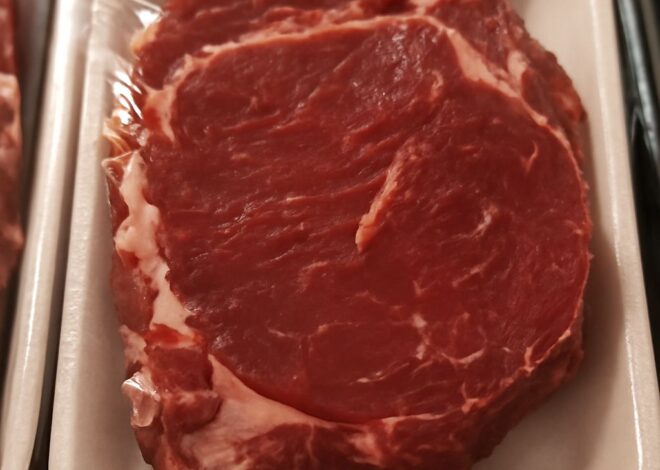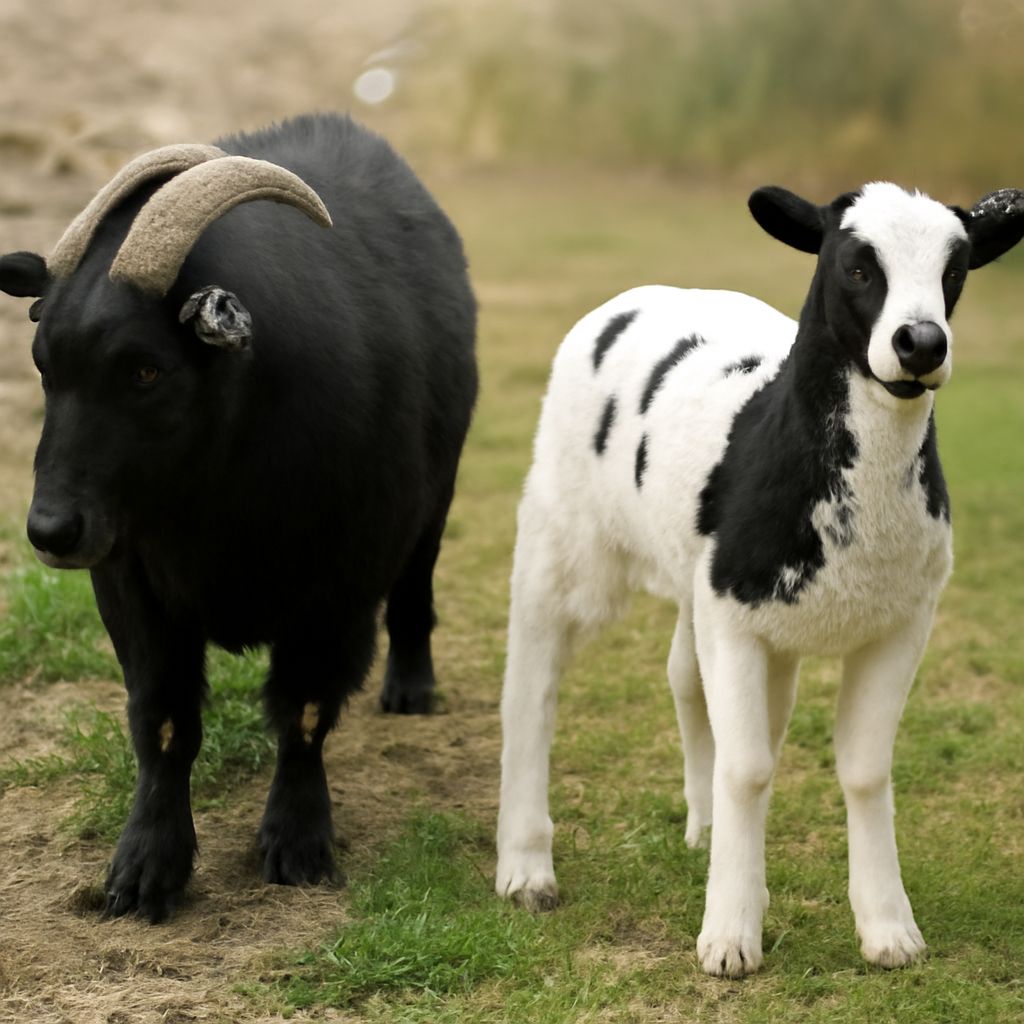
Goat vs Lamb: Understanding the Differences
Imagine you’re at a bustling farmer’s market, scanning the array of fresh produce, and meats on display. You’re drawn to a vendor offering samples of both lamb and goat meat. Curiosity piques your interest—what exactly is the difference between lamb and goat? As you taste each sample, you notice distinct flavors and textures, realizing there’s more to these meats than meets the eye. This moment of discovery propels you into a journey of understanding the nuances of lamb vs goat, from nutritional benefits to culinary possibilities.
Introduction to Goat vs Lamb
When comparing lamb to goat meat, it’s essential to appreciate the distinct qualities each possesses. While both meats are staples in various cuisines worldwide, their differences in flavor, texture, and nutritional content make them unique choices for diverse culinary needs.
Nutritional Comparison of Lamb and Goat Meat
From a nutritional standpoint, both goat and lamb offer high-quality protein. However, goat meat tends to be leaner, making it a popular choice for health-conscious consumers. Goat meat generally contains less fat and cholesterol than lamb, which may appeal to those watching their dietary intake. Alternatively, lamb is rich in essential vitamins and minerals, such as vitamin B12 and zinc, supporting overall health and wellness.
Both meats provide iron and protein, crucial for muscle development and energy. The choice between lamb and goat often depends on individual dietary preferences and nutritional goals. To make an informed decision, consider the specific nutritional components that align with your health priorities.
Taste and Texture: What to Expect
The taste and texture of lamb and goat can significantly influence your choice between these meats. Lamb is known for its rich, slightly sweet, and tender profile, often preferred in dishes that highlight its flavor. In contrast, goat tends to have a gamey, earthy taste with a firmer texture, making it ideal for robust stews and curries.
While lamb’s tenderness and delicate flavor appeal to many, those seeking a more exotic culinary experience might choose goat. The texture and taste differences offer varied cooking possibilities, allowing you to explore diverse dishes from around the world.
Cooking Methods for Lamb vs Goat Meat
Cooking methods play a pivotal role in enhancing the flavors and textures of both lamb and goat. Understanding how to prepare each can elevate your culinary creations.
Grilling Techniques
Grilling enhances the natural flavors of lamb, especially when marinated with herbs and spices. The meat’s fat content helps keep it moist over high heat. For goat, grilling should be approached with care; due to its lower fat content, it benefits from a marinade that locks in moisture, preventing dryness.
Slow Cooking Tips
Slow cooking is a perfect method for both meats, particularly for tougher cuts. Lamb shanks or goat stews simmered over low heat allow the connective tissues to break down, resulting in tender, flavorful dishes. Incorporating aromatics and a mix of vegetables can further enrich the slow-cooked results.
Health Benefits of Choosing Goat or Lamb
Choosing between goat or lamb is not just about taste; it’s also about health benefits. Goat’s lower fat content might appeal to those managing heart health or cholesterol levels. It’s a lean meat that provides essential nutrients without excessive calories.
Lamb, on the other hand, offers a robust source of omega-3 fatty acids, supporting cardiovascular health. The choice hinges on personal health goals and dietary needs, with both meats providing unique benefits.
Conclusion: Making the Right Choice for You
Ultimately, the decision between lamb and goat can be guided by taste preferences, nutritional needs, and cooking styles. Whether you opt for the rich taste of lamb or the lean, gamey flavor of goat, both meats offer delicious and healthy options for your diet.
Key takeaways: Lamb and goat are distinct in taste, texture, and nutrition. Your choice should reflect personal health goals and culinary preferences, ensuring enjoyable and nutritious meals.
Related Posts
Beef Jerky Nutrition Facts: What a Serving Contains
Cottage Cheese Nutrition: What a Serving Can Tell You