Smoked Picnic Ham: Nutrition, Protein, and What Sets It Apart
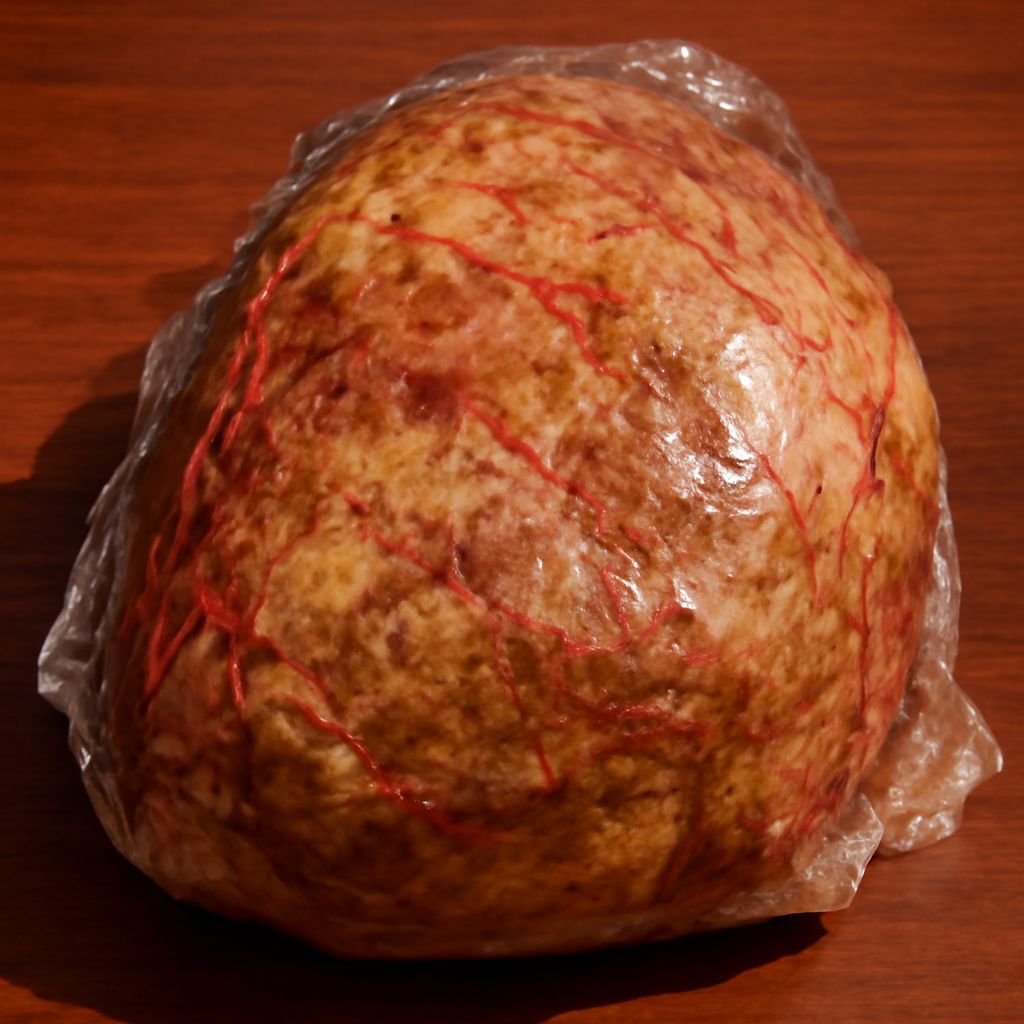
Picture yourself in the deli aisle, weighing your options for a hearty, protein-rich meal. You spot a smoked picnic ham—its ruby hue and savory aroma catch your attention. But maybe you pause, asking: what is a picnic ham, and how does it differ nutritionally from the spiral-cut or city hams you know? If you’re trying to make smarter choices about protein and nutrition, understanding the differences between these cuts is essential. Choosing the right smoked picnic ham can elevate your meals and help you meet your nutrition and protein goals with confidence.
Whether you’re preparing a Sunday roast or batch-cooking for the week, knowing the smoked picnic ham nutrition facts and how much protein it provides ensures you get the most from your food—both in taste and health benefits. Let’s dig into how this unique cut is produced, what sets it apart, and how you can make the most of its robust flavor and nutritional profile.
What is a Picnic Ham?
Although the name might suggest otherwise, a picnic ham isn’t a true ham by traditional definition. Rather, the term refers to a cut from the pork shoulder—specifically the lower portion of the shoulder, sometimes called the picnic shoulder. While classic ham is carved from the hind leg of the pig, picnic hams come from the front leg, and that distinction shapes much of their texture and taste.
In the United States, a smoked picnic ham is often sold cured and smoked, mimicking the flavor and experience of traditional ham. However, since it includes a bit more connective tissue and fat, the picnic shoulder results in a slightly different mouthfeel and a richer, more robust flavor, especially after slow cooking. Some grocery stores may label it as a “picnic shoulder ham” or “picnic roast.”
Despite the technical differences, picnic hams are a popular choice for budget-conscious shoppers. They typically cost less per pound, making them ideal for family meals, holiday feasts, or even casual gatherings where you want plenty of protein without breaking the bank.
How Smoked Picnic Ham is Made
The transformation from raw pork shoulder to a flavorful smoked picnic ham is all about curing and smoking techniques. First, the picnic shoulder is trimmed and sometimes injected or rubbed with a curing solution. This solution often includes salt, sodium nitrite, sugar, and occasionally spices, which preserve the meat and contribute to its distinctive pink color.
After curing—which can take several days, depending on thickness and technique—the pork shoulder is then smoked. Smoking may last anywhere from four to twelve hours, depending on the size of the cut and the desired intensity of smoke flavor. The smoking process not only infuses the meat with rich notes but also further preserves it and enhances its savory character.
During production, producers may leave the skin on or remove it, which affects the final texture and mouthfeel. Some versions of smoked picnic hams are fully cooked, while others are “cook before eating,” requiring gentle reheating or baking to reach a safe internal temperature before serving. This flexibility means the cut can be sliced cold for sandwiches or roasted whole for a centerpiece meal.
Nutritional Profile of Smoked Picnic Ham
Understanding the nutritional makeup of smoked picnic ham helps you maximize its benefit in a balanced diet. On average, a three-ounce serving provides about 140 to 180 calories, depending on trimming and glaze. It contains roughly 8 to 12 grams of fat, with about 3 to 4 grams of that being saturated fat. Some versions have a bit more fat due to the shoulder’s natural marbling, especially if you select pieces with the skin left on.
A smoked picnic ham is also a good source of key micronutrients. Each portion offers a significant amount of B vitamins—especially thiamine, niacin, and vitamin B6—along with minerals like selenium, phosphorus, and zinc. These nutrients are critical for energy metabolism and immune function, making the picnic shoulder a nutrient-dense addition to your menu.
Sodium content is an important consideration, as smoked or cured meats tend to be high in salt. A typical three-ounce slice can provide between 800 and 1,200 milligrams of sodium, contributing a significant portion of the daily limit recommended by dietary guidelines. Choosing low-sodium versions or rinsing the meat before serving can help mitigate this factor if you need to watch your salt intake.
Protein Content and Health Benefits
If increasing protein is your goal, picnic ham delivers. One three-ounce serving typically supplies 15 to 18 grams of high-quality protein—enough to support muscle repair, satiety, and steady energy throughout your day. This makes it a valuable choice for athletes, those managing weight, or anyone focused on meeting daily protein recommendations.
The protein in smoked picnic ham comes from the dense muscle fibers present in the pork shoulder. These fibers, combined with the curing and smoking process, produce a tender yet slightly chewy texture that many people find satisfying. When eaten as part of a balanced plate, this protein can help stabilize blood sugar and keep hunger at bay.
However, since the meat is also moderately high in fat, it’s wise to pair smoked picnic ham with plenty of vegetables and fiber-rich sides to create a meal that’s both filling and heart-friendly. For those seeking more lean protein, trimming away excess fat and choosing leaner slices makes a noticeable difference in both flavor and nutrition.
Tips for Choosing and Cooking Smoked Picnic Ham
When selecting a smoked picnic ham at the store, look for cuts with firm, pink flesh and minimal browning or gray areas. The aroma should be mildly smoky, without any sour or off-putting odors. If you prefer a leaner meal, opt for pieces with some fat cap but less visible marbling; those who enjoy a richer texture might choose more marbled sections with the skin intact.
Cooking a picnic ham is straightforward but benefits from low and slow methods. For a whole smoked picnic ham, roasting at 325°F for 18 to 20 minutes per pound usually yields juicy results. To check doneness, use a meat thermometer—look for an internal temperature of 145°F (for fully cooked versions) or 165°F (for cook-before-eating types). Letting the meat rest for at least 10 minutes before slicing helps juices redistribute for a moist bite.
For extra flavor, consider glazes featuring honey, mustard, or brown sugar, applied during the final 30 minutes of roasting. When serving cold, slice thinly across the grain for maximum tenderness. Leftovers can be diced and added to soups, omelets, or salads for a protein boost that keeps on giving.
Smoked Picnic Ham vs. Traditional Ham
Comparing a smoked picnic ham to a conventional ham reveals key differences beyond just the cut. Traditional hams—especially city ham and country ham—are made from the rear leg, resulting in a slightly leaner and more uniform texture. They are also typically more expensive, reflecting the premium nature of the hind leg cut and the extended curing process.
In terms of flavor, picnic shoulder hams often carry a more pronounced pork taste, thanks to their higher fat content and connective tissue, which break down during smoking or roasting. This gives meals prepared with picnic ham a rustic, home-cooked quality—not always as delicate as a city ham, but deeply satisfying. The additional marbling also lends itself well to slow-cooking methods, which transform the tougher fibers into melt-in-your-mouth bites.
While both smoked picnic and traditional hams are rich in protein, the protein content per ounce can be slightly higher in classic ham due to its lower fat percentage. However, the shoulder’s unique flavor and texture make it an excellent choice for those looking for variety or seeking a more affordable protein source for everyday meals. Each style has its place, and with a little experience, you can decide which suits your needs, budget, and palate best.
Next steps: Try incorporating smoked picnic ham into your weekly meal rotation. Experiment with roasting, slicing for sandwiches, or dicing into egg bakes. Monitor doneness with a thermometer, and balance each serving with plenty of greens and whole grains for optimal nutrition. With a little practice, you’ll enjoy both the taste and the protein benefits of this versatile cut.
Related Posts
Goat vs Lamb: Understanding the Differences
Beef Jerky Nutrition Facts: What a Serving Contains