Cinnamon Nutrition: What a Teaspoon Adds to a Meal
What does a sprinkle of cinnamon contribute besides flavor? A teaspoon of ground cinnamon weighing about 2.6 grams provides roughly six calories and small amounts of carbohydrate, fiber, and minerals. The nutritional content of cinnamon is easiest to interpret at the amount you actually use, whether that is a pinch over oatmeal or a measured spoonful in a recipe.
The nutrition facts for cinnamon describe the spice itself. A cinnamon roll or sweetened drink has its own profile because flour, sugar, milk, and other ingredients contribute nutrients too. Looking at each component separately keeps a small serving of spice in perspective.
Cinnamon Nutrition Facts for a Teaspoon
The USDA ground cinnamon reference lists one teaspoon as approximately 2.6 grams. The values below are rounded estimates for that amount from the reference record; the exact weight in a spoon can vary with how the powder is packed.
| Nutrient | Approximately per 2.6 g |
|---|---|
| Energy | 6 calories |
| Total carbohydrate | 2.1 g |
| Dietary fiber | 1.4 g |
| Protein | 0.1 g |
| Total fat | 0.03 g |
| Calcium | 26 mg |
| Manganese | 0.45 mg |
Dietary fiber is included within total carbohydrate, so do not add the two figures together. Protein and fat are present in very small quantities at this serving size. The figures describe ground spice, not a cinnamon-sugar blend or an extract. The USDA-derived listing shows the same 2.6-gram reference and explains that per-portion values are calculated from the values per 100 grams.
Cinnamon nutrition facts on a package may look different because the serving size or rounding differs. If a label gives values per quarter teaspoon, multiply by four to estimate a teaspoon from that particular product. If you use half the listed amount, halve the values. Rounding can make small figures less precise, especially when a serving is described only as a pinch.
From a pinch to a recipe
A pinch is a convenient way to season food, but it is not a consistent weight. Suppose a pinch weighs one-quarter of the 2.6-gram reference teaspoon: the estimated energy would be about 1.5 calories and the fiber about 0.35 gram. This is an illustration, not a claim that every pinch has the same mass. A small kitchen scale is useful when a recipe calls for a reproducible amount.
The nutritional value of cinnamon also depends on how much of the recipe you eat. If a batch of oatmeal contains one teaspoon and makes two equal servings, each serving receives about half a teaspoon. That is approximately three calories and 0.7 gram of fiber from the spice, before counting the oats, milk, fruit, or toppings. If the batch is divided unevenly, the spice contribution will differ.
For a smoothie or yogurt bowl, compare like with like: note the weight of the spice, then calculate any sweetener or fruit separately. The nutrient profile of ground cinnamon is not the same as that of a spoonful of cinnamon sugar. A blend’s ingredient list and panel describe the mixture, and the amount of added sugar depends on its formulation.
What the minerals mean
The reference teaspoon contains calcium and manganese. Calcium supports functions including bone structure, while manganese is involved in several processes in the body. Both also come from many other foods. A teaspoon can contribute a measurable amount, particularly of manganese, but it is only one part of the day’s intake; a pinch contributes less.
The nutrients in cinnamon should be compared at the serving used, not only per 100 grams. A 100-gram figure describes nearly 39 reference teaspoons, far more than a typical sprinkling. Large per-weight numbers can make a spice look like a main source of a nutrient when the actual portion supplies much less. Read the portion and the unit before comparing it with a bowl of oats or a glass of milk.
The nutritional profile of cinnamon becomes more meaningful when its serving weight is known. A varied diet provides minerals from foods eaten in larger amounts, such as grains, legumes, nuts, vegetables, and dairy or fortified alternatives. The dietary value of cinnamon in a meal includes its flavor, which can make familiar foods more appealing without requiring a large amount of spice. Its micronutrient contribution is best assessed alongside the rest of the plate.
Choosing and using cinnamon
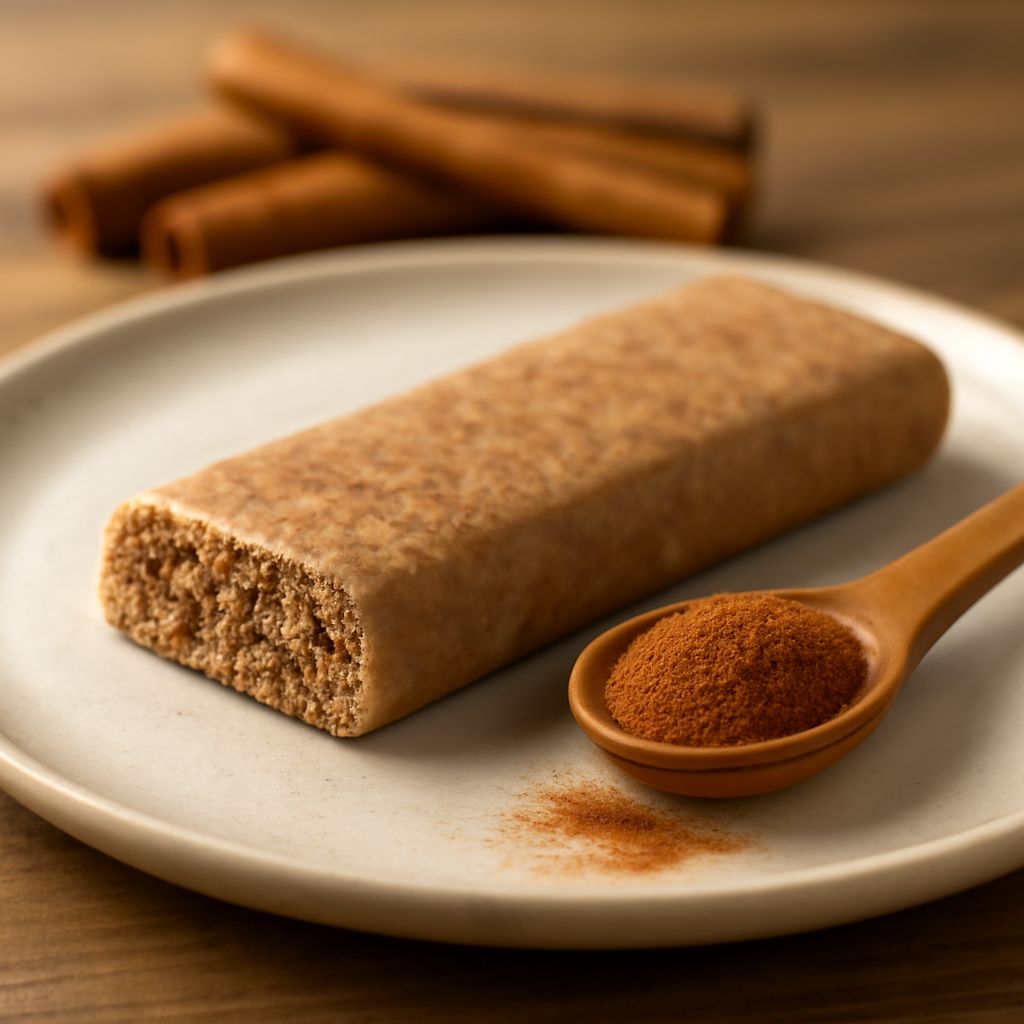
The nutrition provided by ground cinnamon can be added to familiar foods. Ground cinnamon can be stirred into oatmeal, sprinkled on sliced fruit, or blended into plain yogurt. Start with an amount you enjoy and distribute it through the food. A spice jar can be stored according to its package directions, away from heat and moisture; its aroma may fade over time.
Cinnamon nutrition facts do not establish that taking large amounts or a supplement will treat a condition. The National Center for Complementary and Integrative Health notes that research has not clearly established cinnamon’s usefulness for health conditions and that cassia cinnamon can contain coumarin, a substance of concern to people sensitive to it, especially with prolonged high intake. Anyone considering concentrated supplements should discuss them with a health professional.
To compare labels, first identify plain ground spice versus a blend, then match the serving weight in grams. Scale the calories, fiber, and minerals to the portion you use, and count other ingredients separately. A teaspoon in a shared recipe contributes only its share to each serving.