Nightshades: What to Know About These Common Plants in Your Diet
You pause in the grocery aisle, eyeing the tomatoes, peppers, and eggplants—each vibrant, each familiar. Maybe you’ve heard the term “nightshades,” or perhaps your friend warned you about their effects. As someone mindful of general nutrition, you wonder whether these common nightshade plants belong in your diet, or if the myths carry some truth. Navigating these choices can feel confusing amid conflicting advice about health, safety, and nutritional value.
Understanding nightshades in your diet requires more than just scanning ingredient lists. You’ll want to know what these plants are, how they fit into nutrition, and if their reputation is deserved. With a little guidance, you can enjoy the benefits of nightshades while steering clear of unnecessary worries.
What Are Nightshades?
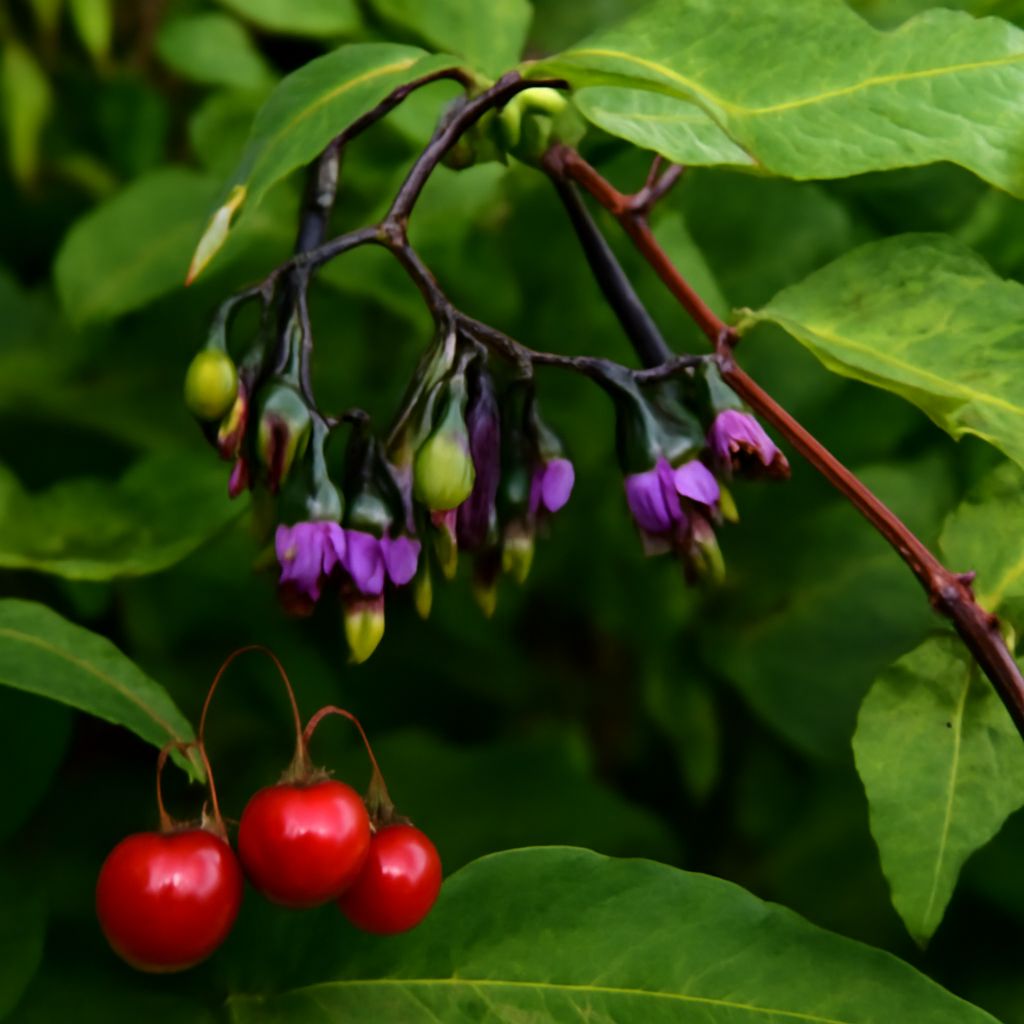
The word “nightshade” refers to a broad family of plants known botanically as Solanaceae. While this group includes toxic members like belladonna, most nightshade vegetables and fruits in our diets are safe and nutritious. Nightshades are a staple across the globe, both in kitchens and on farms.
The main edible nightshade varieties include tomatoes, potatoes (excluding sweet potatoes), eggplants, and all types of peppers—both sweet and spicy. These plants thrive in sunny climates and are celebrated for their versatility and flavor. Beyond the produce section, the nightshade group also extends to foods like tomatillos and goji berries, which may surprise even seasoned cooks.
Nightshades contain natural chemical compounds called alkaloids that help protect the plant from pests. While certain alkaloids can be powerful (and even harmful) in large quantities, the levels found in commonly eaten nightshade foods are generally considered safe for most people. Still, their presence is often the source of debate and confusion around these foods.
In short, nightshades are not a mysterious or fringe group; they’re an everyday part of global diets. Knowing more about their different types and uses will help you make informed choices in your own nutrition plan.
Types of Nightshade Plants and Their Uses
When you think of nightshade plants, the first to come to mind might be the classic tomato—juicy, tangy, and the backbone of countless sauces. Potatoes, another staple, are found in everything from mashed side dishes to crispy snacks. Peppers bring color and intensity to recipes, ranging from mild bell peppers to fiery habaneros, which spice up salsas and stews.
Eggplants, also called aubergines, have a firm, spongy texture that soaks up flavors. They are essential in Mediterranean dishes like ratatouille and baba ganoush. Tomatillos, often mistaken for small green tomatoes, are wrapped in a papery husk and give tangy brightness to traditional Mexican green sauces.
Goji berries, gaining popularity in health food circles, have a slightly sweet, tart taste and are found in trail mixes or sprinkled over oatmeal. Each of these nightshade varieties brings distinct nutrients, flavors, and culinary uses. The diversity within the nightshade group makes them valuable in both everyday cooking and gourmet cuisine.
Nightshade plants are not limited to the kitchen, either. Their ornamental relatives, such as petunias, add beauty to gardens, while other species have historical uses in traditional medicine—though these should never be eaten without expert knowledge due to their potential toxicity. The range of nightshades is vast, but your main focus in general nutrition will be the edible forms you find fresh, canned, or dried at the store.
Nutritional Value of Nightshades
Nightshade vegetables provide a powerhouse of nutrition, offering an array of vitamins, minerals, and beneficial phytonutrients. Tomatoes are well-known for their high vitamin C and lycopene content, a carotenoid with antioxidant properties linked to heart health. Cooking tomatoes, such as in sauces or soups, can actually boost the body’s ability to absorb lycopene.
Potatoes deliver complex carbohydrates, making them a reliable energy source. They also contain potassium, vitamin B6, and fiber, especially when the skin is left intact. Red and orange peppers contribute beta-carotene (a precursor to vitamin A), along with vitamin C and folate. Meanwhile, eggplants supply dietary fiber and nasunin, an antioxidant that helps protect cell membranes.
Even small servings of these vegetables can have measurable benefits. For instance, eating just half a cup of cooked bell pepper provides more than your daily recommended intake of vitamin C. Goji berries, though consumed in smaller quantities, offer vitamin A, iron, and unique polysaccharides.
Including a mixture of nightshade foods in your diet can help support immune function, energy metabolism, and digestive health. The nutritional diversity among different nightshades is matched only by the variety of colors and textures they add to your plate.
Potential Health Effects of Eating Nightshades
For the vast majority of people, enjoying nightshade vegetables presents no health problems and may even lower disease risk when eaten as part of a balanced diet. However, their alkaloid content sometimes raises concerns, especially among those with certain sensitivities or medical conditions.
Some individuals with autoimmune disorders—like rheumatoid arthritis—report that nightshade foods seem to trigger joint discomfort. Research is still inconclusive, but those who suspect an issue can perform a careful elimination trial (removing and then reintroducing nightshades, tracking symptoms for at least three to four weeks). In my own practice, I’ve found that most clients tolerate standard servings of tomatoes or potatoes without issue, though reactions can vary widely.
It’s important to distinguish anecdotal reports from broad dietary recommendations. Most scientific studies do not show that nightshades cause inflammation or widespread problems for the general population. There is also no credible evidence linking common nightshade foods to chronic illness in healthy adults, unless there is a true allergy or sensitivity present.
In rare cases, undercooked or green potatoes can contain higher concentrations of solanine, an alkaloid that may cause digestive upset if consumed in excess. Always discard potatoes with green spots or sprouts, and cook all nightshades thoroughly to reduce any potential risk. Paying attention to your body’s signals, portion sizes, and preparation methods ensures that eating these vibrant vegetables remains safe and enjoyable.
Nightshades in Your Diet: Tips and Precautions
Integrating nightshade vegetables into your meals can boost both nutrition and flavor. To start, select ripe, unblemished produce—avoid potatoes with green patches or sprouting, as these indicate higher solanine content. Washing and peeling potatoes, cooking tomatoes well, and roasting peppers or eggplants until soft all help to minimize any residual alkaloids.
If you’re new to nightshades or have a history of food sensitivities, introduce them slowly. Try one nightshade food at a time, noting your body’s response over several days. This approach gives you concrete data on what works for your digestion and health without relying on hearsay or generalizations.
For most people, a moderate serving—one to two cups per meal of mixed tomatoes, peppers, or eggplants, or one medium potato—fits well into a nutrient-rich eating plan. Use a variety of cooking techniques: grilling, steaming, baking, or sautéing enhances both nutritional retention and taste. Combining nightshades with healthy fats (like olive oil) further improves the absorption of fat-soluble nutrients such as carotenoids.
Lastly, consult a registered dietitian or healthcare provider if you have persistent symptoms or are considering a long-term elimination. Individual responses can differ, and professional guidance ensures your dietary choices support overall well-being.
Frequently Asked Questions About Nightshade Plants
Are nightshade vegetables safe for everyone?
Most people can safely eat nightshade vegetables daily. Exceptions include individuals with diagnosed allergies, rare sensitivities, or those with certain autoimmune conditions who notice symptoms linked to these foods.
Do cooking methods affect nightshade nutrition?
Yes—cooking can increase the bioavailability of some nutrients in tomatoes and peppers, while boiling potatoes with the skin helps retain more potassium and fiber. Avoid eating raw or green potatoes.
How do I know if I am sensitive to nightshades?
If you experience consistent digestive issues or joint discomfort after eating nightshade foods, try eliminating them for several weeks, then reintroduce them individually while monitoring for any reactions.
Are chili peppers and sweet peppers both considered nightshades?
Yes, both types of peppers belong to the nightshade family, regardless of their level of spiciness.
What about nightshade supplements and extracts?
Supplements derived from nightshade plants should be approached with caution, as they may contain concentrated compounds not present in everyday foods. Focus on whole foods for the safest nutrition benefits.
Safety recap: Always choose fresh, ripe nightshade vegetables, cook them thoroughly, and pay attention to individual responses. With basic care, nightshades can be a colorful, nutritious, and safe part of your everyday nutrition.