What Is a Good VO2 Max? Understanding Your Numbers
Imagine you’re lacing up your sneakers for a brisk run, checking your smartwatch as it displays your VO2 max score. You’ve heard that a good VO2 max is the gold standard for cardiovascular health, but what exactly do these numbers mean? The truth is, understanding your VO2 max chart can unlock key insights into your fitness level, while comparing your stat against a VO2 max table reveals where you stand among your peers. As you train, tracking your progress through VO2 max percentiles provides motivation and context—fueling your drive to improve.
Whether you’re a competitive athlete or a weekend walker, decoding your VO2 max can seem daunting. But with the right tools and a clear guide, you’ll see how interpreting a VO2 max chart and table can help you set realistic goals and recognize meaningful gains. Let’s dive into the science, the benchmarks, and practical tips for making the most out of your personal VO2 max measurement.
What Is VO2 Max and Why Does It Matter?
VO2 max, or maximal oxygen uptake, is a measurement that represents the maximum amount of oxygen your body can use during intense exercise. More specifically, it quantifies the milliliters of oxygen consumed per kilogram of body weight per minute (ml/kg/min). This metric is widely recognized as the best single indicator of aerobic fitness and cardiovascular endurance. A higher VO2 max reflects a body that is more efficient at transporting and utilizing oxygen, which in turn supports better performance and greater stamina.
Why does this number matter in the real world? For starters, individuals with stronger aerobic capacity often experience lower resting heart rates, quicker recovery times, and a reduced risk of chronic diseases such as hypertension or type 2 diabetes. Athletes and casual exercisers alike rely on their VO2 max to gauge training effects, set pacing strategies, and monitor long-term conditioning. In essence, your VO2 max tells you how effectively your heart, lungs, and muscles work together under stress.
Even if you’re not chasing podiums, knowing your aerobic capacity is empowering. It helps you set personalized training ranges, interpret fatigue, and identify areas for improvement. With VO2 max as a benchmark, you can celebrate small wins as you progress through different stages of fitness. Think of it as a snapshot of your body’s current performance and its potential for growth.
How Is VO2 Max Measured?
The gold standard for measuring maximal oxygen consumption is a clinical exercise test, often performed on a treadmill or stationary bike. During this assessment, you wear a face mask connected to specialized equipment that captures and analyzes your expired air as you gradually increase the exercise intensity. The test continues until you reach muscular or aerobic exhaustion, at which point the system records the highest amount of oxygen your body can process.
Of course, not everyone has access to a laboratory or advanced exercise physiology tools. Thankfully, technology has made VO2 max measurement far more accessible. Many wearables and fitness trackers estimate your cardiovascular potential using heart rate data, speed, and power output during activities like running or cycling. While these device-based readings might not be as precise as lab tests, they offer a practical way to monitor trends and see improvement over time.
Alternatively, there are field tests—such as the Cooper 12-minute run or the Rockport Walk Test—that provide a calculated estimate based on distance, time, and heart rate. These methods are endorsed by coaches and trainers for their reliability and ease of administration. Whether you use wearable technology, a field test, or a medically supervised assessment, the key is consistency: measure under similar conditions and track changes over weeks or months for the clearest picture.
What Is a Good VO2 Max? (K1 Explained)
So, what constitutes a good VO2 max? The answer depends on several variables, including age, sex, genetics, and activity level. Generally, elite endurance athletes—think marathoners or professional cyclists—can have values over 70 ml/kg/min, while recreationally active adults might fall between 35 and 50 ml/kg/min. For most people, a “good” VO2 max lies in the upper half of standardized ranges based on age and gender.
To interpret what’s good for you, it’s best to refer to a reliable VO2 max table or percentile chart. These resources break down average scores by demographic group. For example, a women’s VO2 max around 40 ml/kg/min in her 30s is typically considered above average, while a man in his 40s with a score near 42 ml/kg/min is solidly fit. If you’re scoring below the 30th percentile for your category, it may signal an opportunity to prioritize aerobic training. Hitting the 70th percentile or higher generally denotes a strong cardiovascular system.
Of course, it’s important to contextualize these numbers. Genetics play a significant role, and not everyone will reach the upper echelons regardless of effort. Instead of fixating on absolute figures, focus on your individual improvement over time. Elevating your baseline by even 10% can translate to measurable health and performance benefits—such as longer workout durations, increased energy, or faster race times.
VO2 Max Chart: Interpreting Your Results
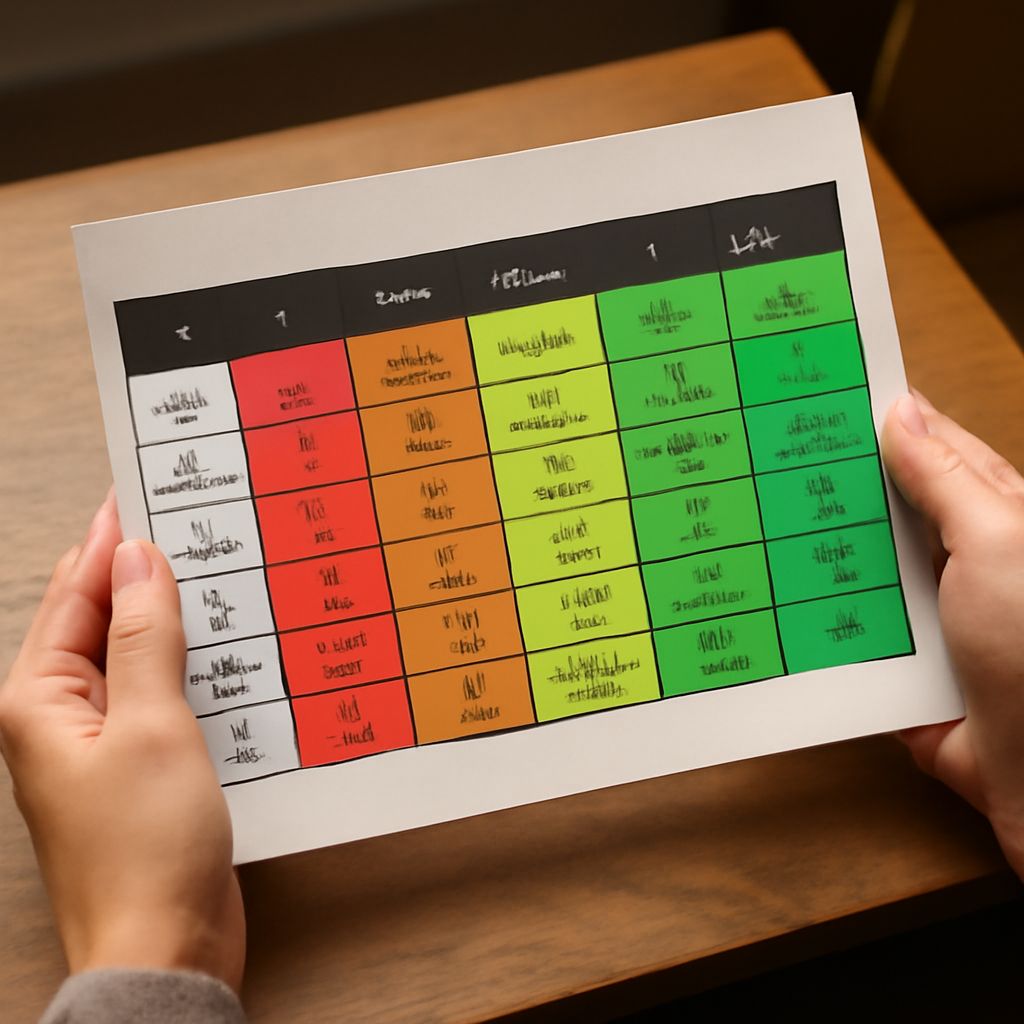
The typical VO2 max chart organizes values by age and biological sex, creating a spectrum from “very poor” to “superior.” For instance, a VO2 max chart for men in their 20s might list “excellent” as above 55 ml/kg/min, while women of the same age could hit “excellent” at just over 47 ml/kg/min. These charts help you visualize where your current measurement sits relative to the general population, providing both context and motivation.
When reading a VO2 max chart, start by locating your age group and biological sex. Find your own value on the scale, then see which category it falls into—poor, fair, good, excellent, or superior. This process helps you understand not just where you are now but also what is attainable with targeted training. For example, if your result puts you in the “fair” category, setting your sights on reaching the “good” range over the next three months becomes a tangible, realistic goal.
Charts like these aren’t just for competitive athletes. They offer valuable feedback for anyone looking to lower disease risk, boost stamina, or simply feel more energetic day-to-day. By checking your progress on a VO2 max chart after a training cycle, you can validate the effectiveness of your program and make informed adjustments as needed.
VO2 Max Percentiles and Table: Comparing Yourself to Others
Understanding VO2 max percentiles is key for benchmarking your aerobic fitness against peers. A percentile shows what proportion of the population you outperform. For example, being in the 75th percentile for your group means your VO2 max exceeds 75% of people your age and sex. These percentiles are derived from large population studies and are often displayed in an easy-to-read VO2 max table.
The VO2 max table typically arranges percentile cutoffs by age band and gender, making comparisons straightforward. For instance, men aged 30-39 in the 60th percentile might have a value around 45 ml/kg/min, while women of the same age at the 60th percentile could be closer to 38 ml/kg/min. With these tables, you can quickly see how your score stacks up and set realistic improvement targets based on your starting point.
Regularly checking your percentile rank helps you track progress, especially as you age. Since aerobic capacity naturally declines over time, maintaining or slowing the rate of decrease is a worthy goal. These tables and percentiles not only track fitness gains but also provide validation for the work you put in, helping you stay motivated year-round.
Tips to Improve Your VO2 Max
Boosting your VO2 max requires a combination of structured training, lifestyle changes, and measurable goals. Incorporate interval workouts—such as high-intensity intervals or tempo runs—into your weekly routine to challenge both your heart and muscles. Sessions that alternate between short bursts of maximum effort and recovery can produce notable gains within 8-12 weeks. Consistency is crucial: aim for at least three aerobic sessions per week, and periodically increase duration or intensity as your fitness improves.
Beyond training sessions, focus on supportive habits. Maintain a balanced diet rich in whole grains, lean proteins, and plenty of fruits and vegetables to optimize your body’s oxygen delivery. Prioritize quality sleep, as rest is vital for cardiovascular adaptation and muscular recovery. Hydration and regular stress management—think yoga, meditation, or mindful breathing—can further support your gains.
Finally, use tools like fitness trackers or heart rate monitors to objectively assess your progress. By monitoring trends in your estimated VO2 max—or conducting periodic field tests—you’ll stay accountable and quickly spot plateaus. Celebrate each incremental improvement, remembering that even small increases in aerobic capacity can deliver meaningful benefits to health and performance.
Safety recap: Always listen to your body and use reliable tools when testing or improving your VO2 max. Start new routines gradually, and consult a healthcare provider if you have underlying health conditions or concerns before beginning vigorous exercise.