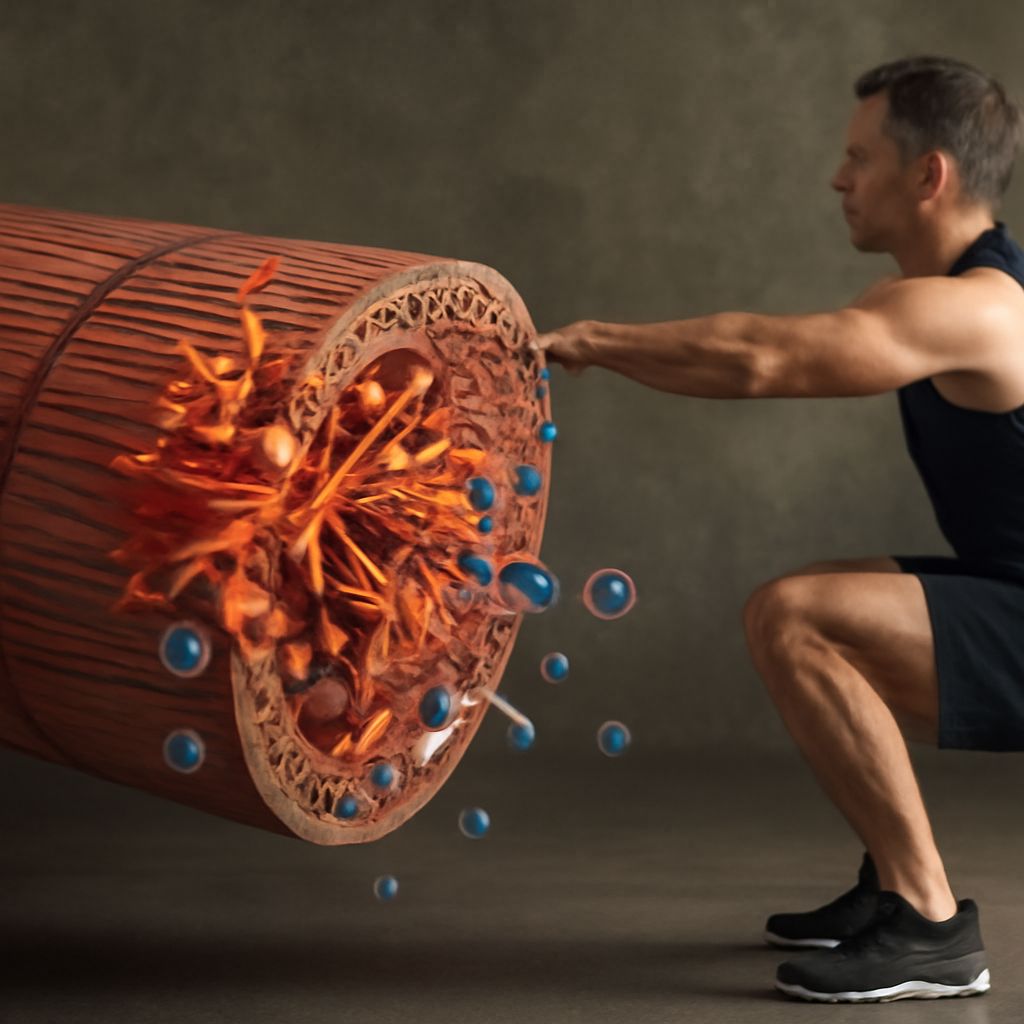
DOMS Meaning: Understanding Sore Muscles After Workout
Imagine you’ve just completed an intense workout, pushing your limits and breaking a sweat. You feel great, proud of the effort put in. But the next day, you find yourself wincing as you get out of bed, muscles protesting in soreness. You’re experiencing DOMS, and it makes you wonder why muscle soreness after workout sessions is a part of the process. Understanding DOMS meaning can help you mitigate the discomfort and optimize your recovery.
What is DOMS?
Delayed Onset Muscle Soreness, or DOMS, refers to the muscle pain and stiffness that arises after performing strenuous activity. Typically, this soreness starts to manifest 12 to 24 hours post-exercise and can last for several days. It’s a normal response to unusual physical exertion, particularly after doing new or intense workouts.
DOMS is commonly experienced by both beginners and seasoned athletes. The soreness is a result of microtears in the muscle fibers, which occur when muscles are stressed beyond their accustomed levels. This microtrauma is part of the natural adaptation process, leading to stronger muscles over time.
Why Do Muscles Get Sore After a Workout?
Muscle soreness after a workout is your body’s way of adapting to increased physical demands. When you challenge your muscles, they undergo stress, leading to microscopic damage in the fibers. This damage triggers an inflammatory response, which causes the sensation of soreness. While discomforting, it indicates that your muscles are repairing and becoming stronger.
Various factors influence the degree of soreness, including the type of exercise, intensity, duration, and an individual’s fitness level. Exercises that emphasize eccentric muscle contractions, such as downhill running or lowering weights, tend to produce more soreness due to greater muscle fiber elongation under tension.
The Science Behind Muscle Soreness After Workout
Understanding the science behind muscle soreness can help in managing it effectively. When muscles repair from microtears, satellite cells in the body activate and proliferate to the site of injury. These cells fuse with existing muscle fibers, aiding in repair and growth. This physiological process is crucial for muscular adaptation and increased strength.
Additionally, the soreness felt is partly due to the accumulation of lactic acid and other metabolites during exercise. While lactic acid is often blamed for soreness, it primarily contributes to the burning sensation experienced during intense activity. The soreness that follows is more related to muscle damage and the inflammatory process.
How to Help Sore Muscles Recover
Effective Recovery Techniques
To alleviate muscle soreness after a workout, several effective recovery methods can be employed. Rest is essential, allowing muscles time to repair and prevent further damage. Gentle movement, such as walking or light stretching, can aid circulation and reduce tightness.
- Hydration: Keeping well-hydrated supports metabolic functions and aids in the removal of waste products.
- Nutrition: Consuming a balanced diet rich in protein and antioxidants can speed up the recovery process.
- Massage Therapy: A massage can increase blood flow, reduce tightness, and improve muscle recovery.
Preventative Measures
Preventing muscle soreness involves preparing your muscles for exertion. Gradually increasing exercise intensity allows your muscles to adapt without overwhelming them. Incorporating a proper warm-up routine enhances blood flow and reduces the risk of injury.
Regular strength training can also condition muscles to withstand more significant stress. By progressively overloading muscles in controlled ways, you can minimize the impact of DOMS and improve overall endurance.
When to Seek Professional Help
While muscle soreness is typically harmless, there are instances when professional help is advisable. If the pain becomes severe, persists beyond a week, or is accompanied by swelling, it might indicate an injury rather than standard soreness. Additionally, if you notice symptoms like shortness of breath or muscle weakness, it is crucial to consult a healthcare professional.
Understanding your body’s signals and limits plays a vital role in maintaining overall health and preventing injury. Always listen to what your body is trying to communicate, and don’t hesitate to seek guidance if necessary.
Safety recap: Always approach your fitness journey with care. Use proper techniques and tools, stay hydrated, and give your body the time it needs to recover. By doing so, you ensure a healthier and more effective workout regimen.