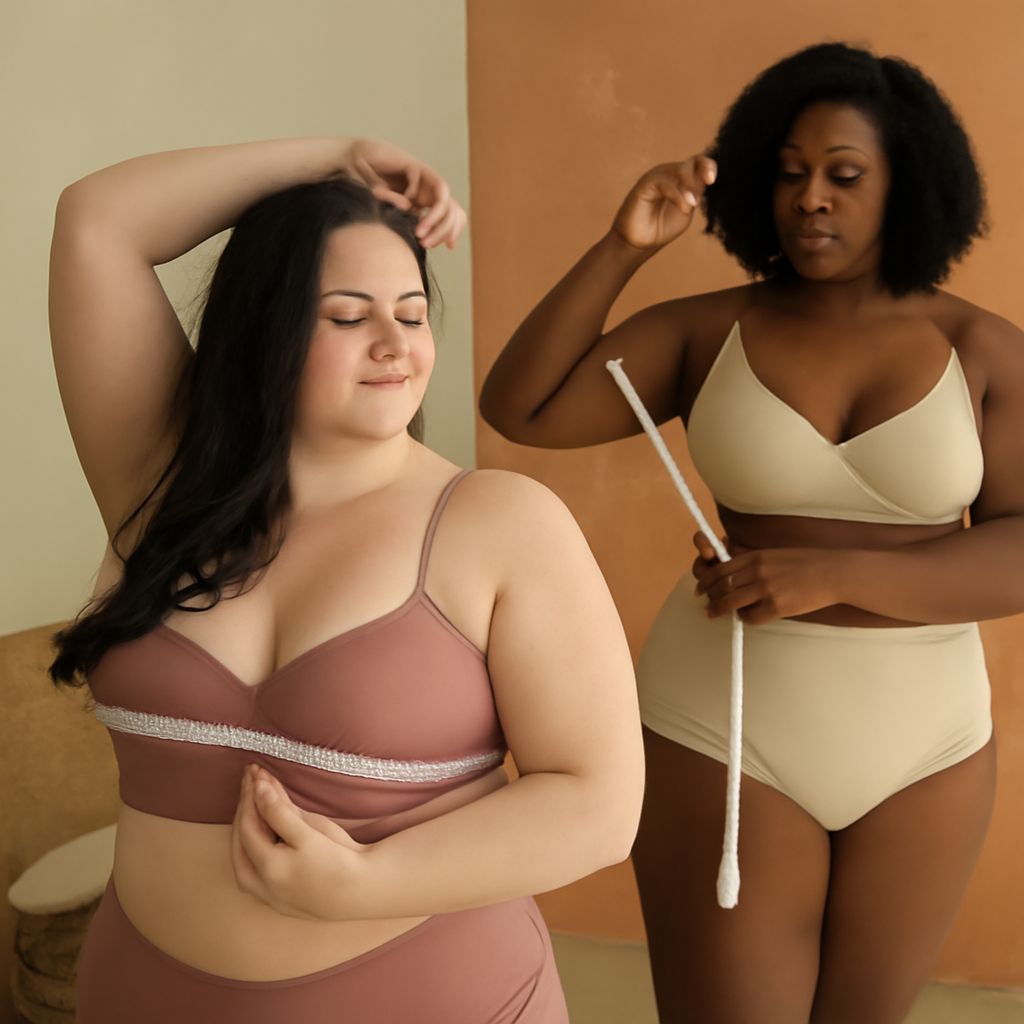
Understanding Waist Measurement: Your Complete Guide
Imagine standing in front of the mirror, tape measure in hand, wondering if you’re measuring the right spot. You’ve read about waist size, but where do you measure your waist exactly? How do you measure waist and hips effectively to ensure accurate body metrics? Understanding these measurements can be key to maintaining a healthy lifestyle. You’ve heard about the significance of waist size for women, but uncertainty lingers: what’s the healthy target?
Why Waist Measurement Matters
Waist measurement is more than just a numerical representation of your body. It serves as an essential indicator of overall health and fitness. A precise waist measurement can reveal risks related to heart disease, diabetes, and other health conditions. By taking note of your waist’s actual size, you can begin to understand potential health risks associated with excess abdominal fat.
Studies have shown that measuring your waist can help predict metabolic issues more accurately than body mass index (BMI) alone. This is because the distribution of fat around your waist directly influences your risk level for various conditions. Therefore, it’s crucial to learn how to measure the waist correctly and understand its broader implications for your health.
How to Measure Your Waist and Hips Accurately
To measure your waist and hips precisely, you need to follow a few straightforward steps. First, ensure you have a flexible tape measure. Stand straight and wrap the tape around your waist, typically above your navel and below your rib cage. Make sure the tape is snug but not tight, and it’s level all the way around.
When it comes to hips, place the tape around the widest part of your hips and buttocks. Again, the tape should sit level and not pinch the skin. Measuring waist and hips in this manner provides a clear picture of your body composition and helps you track changes over time.
Where Do You Measure Your Waist?
The question “Where do you measure your waist?” often arises, especially when striving for accuracy. The ideal spot to measure your waist is at the midpoint between the lower rib and the top of the hip bone. This location offers a consistent measuring point, minimizing variability that can occur if you measure at different spots each time.
Consistency is key when taking your waist measurement. Using the same spot ensures that your tracking reflects true changes rather than discrepancies introduced by varying measurement points. By understanding where to measure your waist, you can enhance your personal body metrics tracking.
Healthy Waist Size for Women: What You Need to Know
A healthy waist size for women is often cited as being under 35 inches. However, this number can vary based on individual factors such as height, age, and genetic predisposition. It’s important not just to focus on reaching a specific number but to consider the waist size as part of your broader health profile.
Women should aim to maintain a waist-to-hip ratio of below 0.85, which is another effective way to evaluate health risks. This ratio compares the circumference of your waist to that of your hips. A ratio above this threshold may indicate higher health risks, prompting a closer look at lifestyle and dietary choices.
Tips for Maintaining a Healthy Waist Size
Maintaining a healthy waist size involves a combination of balanced eating, regular exercise, and mindful living. Incorporate more whole foods such as fruits, vegetables, lean proteins, and whole grains into your diet. Avoid excessive processed foods, which can lead to weight gain and increased waist size.
Engaging in regular physical activity is equally essential. Aim for at least 150 minutes of moderate aerobic exercise or 75 minutes of vigorous activity each week, alongside strength training exercises. Activities like walking, cycling, and yoga can help you manage weight and maintain a healthy waist size.
Finally, remember the importance of stress management. High stress levels can lead to weight gain around the waist, so incorporating relaxation techniques like meditation or deep breathing exercises can be beneficial. Keeping track of your progress through regular measurement can also motivate and inform your journey.
Bottom line: Understanding how to measure your waist and hips accurately is vital for assessing health risks and tracking progress. Focusing on a healthy waist size for women, alongside adopting a balanced lifestyle, will support your long-term well-being. Consistency and mindfulness in measuring and maintaining your waist size pave the way for a healthier you.
Related Posts

How Long Can You Go Without Food: Understanding the Limits

Understanding the MCHC Blood Test