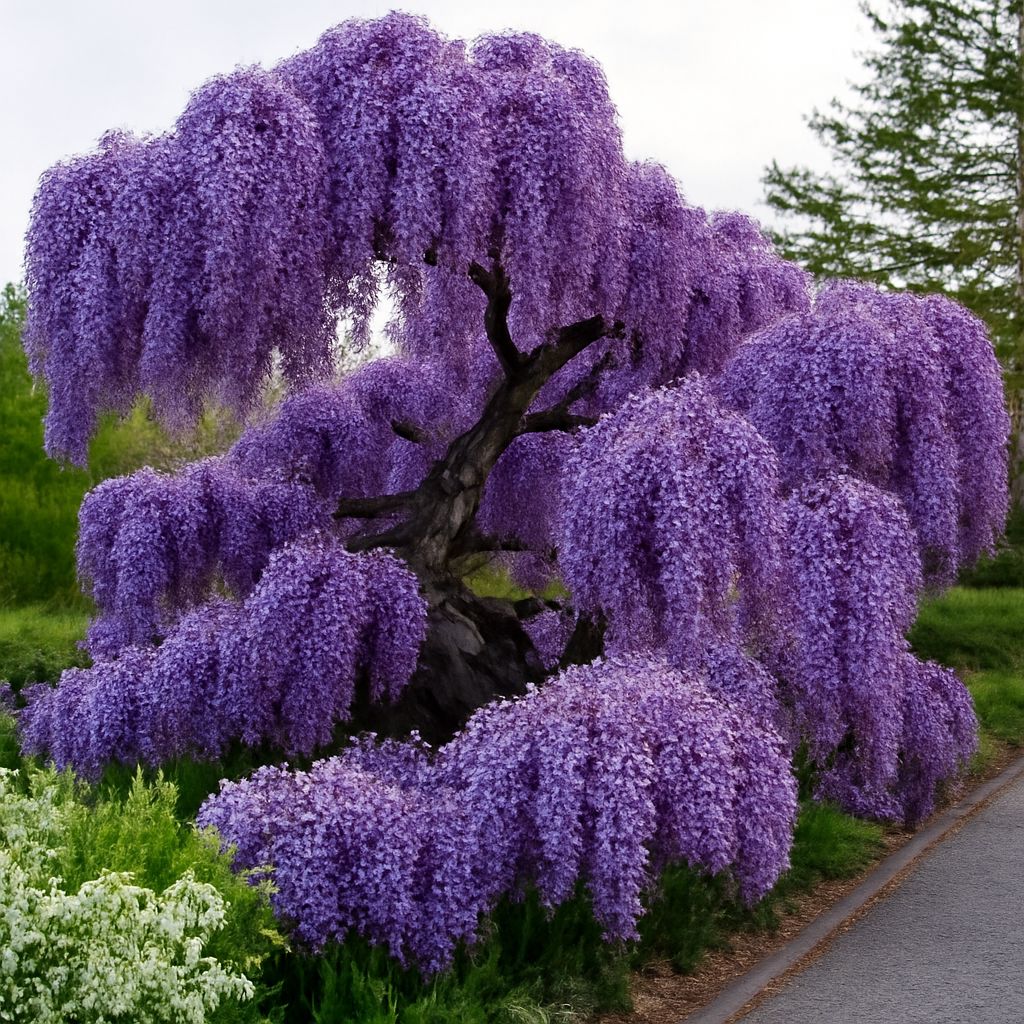
Butterfly Pea Flower: A Nutritional Powerhouse
Imagine yourself in a serene garden, surrounded by the vibrant colors of nature. As you explore, you come across a captivating plant with striking blue petals—the butterfly pea plant. This plant isn’t just a feast for the eyes; it offers remarkable health benefits and nutritional value. The butterfly pea flower is celebrated for its ability to enhance wellness and nutrition. Curious to learn more?
Introduction to Butterfly Pea Flower
The butterfly pea flower, native to Southeast Asia, is renowned for its vivid blue hues. It’s not only eye-catching but also brimming with antioxidants and other beneficial compounds. Traditionally, this flower has been used in herbal teas and remedies, offering various health advantages. The butterfly pea plant thrives in tropical climates, making it a popular choice for both gardens and kitchens around the world.
Nutritional Benefits of Butterfly Pea Flower
Rich in anthocyanins, butterfly pea flowers provide potent antioxidant properties. These compounds help combat oxidative stress, potentially reducing the risk of chronic diseases. The flower is also known to support healthy skin due to its collagen-boosting effects. Additionally, it’s believed to aid in enhancing cognitive functions and improving eyesight.
Butterfly pea flower tea, a popular way to consume this plant, offers a caffeine-free alternative to traditional teas. It can help promote relaxation and support mental clarity. Incorporating this flower into your diet may contribute to overall wellness through its unique nutritional profile.
How to Use Butterfly Pea Flower in Your Diet
Integrating butterfly pea flowers into your meals is easier than you might think. Start with the basics: brew a calming tea by steeping the dried flowers in hot water. The infusion will transform into a mesmerizing blue liquid that can be enjoyed as is or sweetened with honey.
For a culinary twist, use the flower’s natural coloring in rice dishes or cocktails. Add a few petals to your cooking water to impart a stunning blue tint to rice or pasta. Alternatively, get creative with butterfly pea flower lemonade, observing the color change when acidic ingredients are introduced.
Growing Your Own Butterfly Pea Plant
If you’re inspired to grow your own butterfly pea plant, you’ll find it’s quite manageable. These plants require a warm climate and plenty of sunlight. Start by planting seeds in well-drained soil, and water them regularly to keep the soil moist.
Within a few weeks, you’ll notice sprouts that soon grow into lush vines adorned with beautiful blue flowers. Regularly check for pests and provide support for climbing, ensuring a thriving butterfly pea plant in your garden or pot.
Butterfly Pea Flower: Myths and Facts
While the butterfly pea flower is celebrated for its benefits, several myths surround its uses. One common misconception is its alleged ability to cure serious illnesses. While the flower offers supportive health benefits, it should not replace professional medical treatment.
Another myth suggests that consuming too much butterfly pea flower can lead to toxicity. In reality, it is considered safe for most people when used in moderation. Understanding these myths ensures you enjoy the flower’s advantages without misconceptions.
Conclusion: Embracing the Butterfly Pea Flower
The butterfly pea flower is more than just a pretty plant; it’s a versatile addition to your diet with numerous health benefits. From antioxidant-rich teas to colorful culinary creations, its uses are diverse and beneficial. Whether you’re sipping tea or experimenting with natural dyes, the butterfly pea plant enriches your nutritional journey.
Safety Recap: When incorporating butterfly pea flower into your diet, ensure moderation and consult with a healthcare provider if you have specific health concerns. Embrace its vibrant color and benefits safely, enhancing your wellness naturally.
Related Posts

Is Sparkling Water Bad for You? Exploring the Myths and Facts

Benefits of Cranberry Juice You Need to Know