Appetite Suppressants: Understanding Their Role in Fitness
Imagine standing in the supplement aisle of your local health store, overwhelmed by the variety of products promising to help you achieve your fitness goals. Your eyes skim over protein powders, vitamins, and eventually land on the best over the counter appetite suppressant options. You wonder, “Do appetite suppressants really work?” With fitness goals in mind, you decide it’s time to understand their potential role in your routine.
What Are Appetite Suppressants?
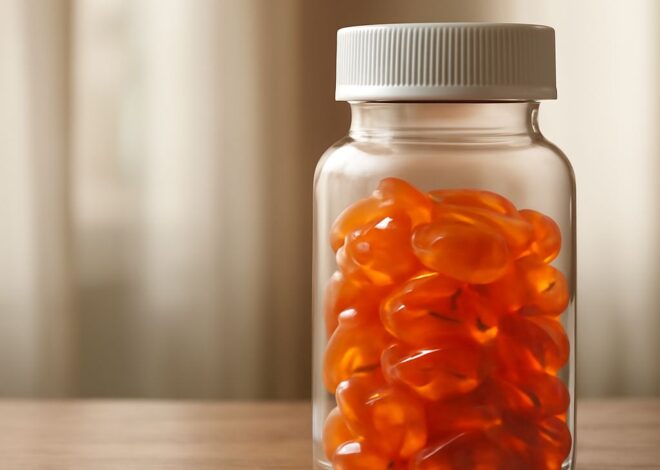
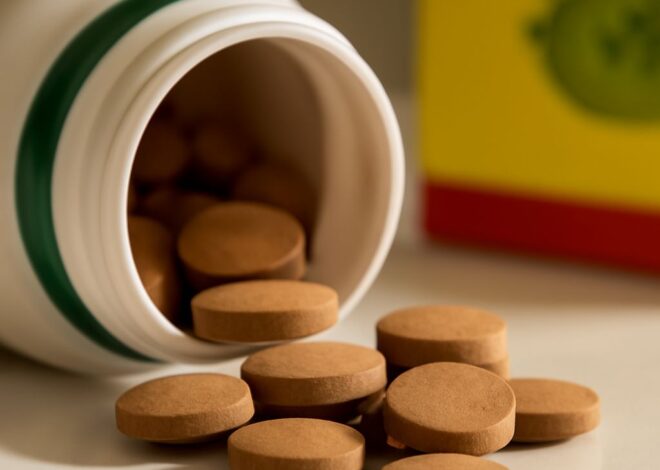
Appetite suppressants are dietary supplements designed to reduce hunger, making it easier for individuals to consume fewer calories. These products can come in the form of pills, capsules, or powders, and are available as prescription or over-the-counter options. By decreasing the sensation of hunger, they aim to assist in weight loss and management, supporting your efforts in reaching your desired fitness outcomes.
How Do Appetite Suppressants Work?
Appetite suppressants function by influencing neurotransmitters in the brain to create a feeling of fullness. This can result in the reduction of hunger pangs and the desire to eat. Some products contain ingredients like caffeine, which not only suppress appetite but also boost metabolism temporarily. Others use fiber-based compounds that expand in the stomach, physically making you feel full. Understanding the underlying mechanisms can help determine which approach best suits your fitness objectives.
Choosing the Best Over the Counter Appetite Suppressant
Selecting the right suppressant is crucial for effectiveness and safety. Consider products that have been backed by research or those containing naturally derived ingredients, like green tea extract or glucomannan. It’s also essential to read reviews and check for any regulatory certifications. Over-the-counter options can vary significantly, so finding a reputable brand is key to ensuring you get a product that aligns with your goals.
Do Appetite Suppressants Really Work?
Scientific Evidence
Research into appetite suppressants has shown mixed results. Some studies indicate that specific ingredients can modestly reduce appetite and contribute to weight loss. However, these effects may vary based on the individual’s physiology and the product composition. Meta-analyses of various suppressant types suggest that while they can aid in reducing calorie intake, they should be part of a broader lifestyle approach.
User Experiences
User reviews often provide insights into the real-world effectiveness of appetite suppressants. Many individuals report a noticeable decrease in hunger, but this is typically more pronounced when combined with other lifestyle changes like exercise and dietary adjustments. Remember, individual experiences can differ, so what works for one person might not work for another.
Potential Side Effects of Appetite Suppressants
While appetite suppressants can be beneficial, they can also cause side effects. Common reactions include increased heart rate, dizziness, and digestive issues. It’s crucial to start with a lower dose to assess tolerance and consult with a healthcare professional, especially if you have underlying health conditions. Being aware of potential side effects helps in making informed decisions when integrating these into your fitness regimen.
Integrating Appetite Suppressants into Your Fitness Routine
Incorporating appetite suppressants into your fitness routine requires a balanced approach. Start by setting clear, realistic goals and ensure that these supplements complement a healthy diet and regular exercise. Timing is also important; for example, taking a suppressant in the morning might help control your appetite throughout the day. Track your progress and adjust usage as necessary, always prioritizing overall health and well-being.
Safety Recap: If appetite suppressants are a part of your strategy, prioritize safety by choosing well-researched products and monitoring for any adverse effects. Consult with healthcare professionals to ensure these supplements align with your health goals and condition.