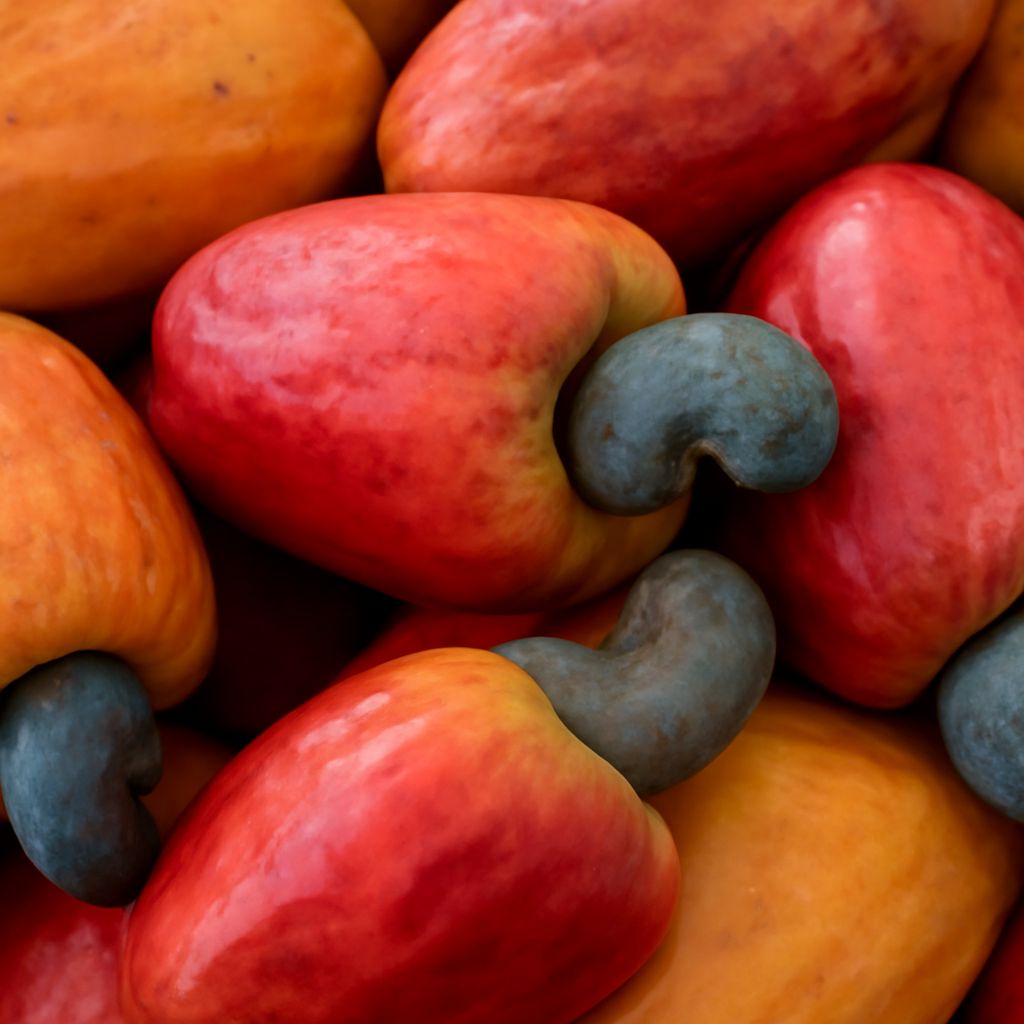
Cashew: A Nutty Delight and Its Fascinating Journey
Imagine yourself standing in a lush orchard, surrounded by the vibrant green leaves of cashew trees. You might wonder: how do cashews grow? As you observe the unique fruits dangling from the branches, it’s easy to get lost in the fascinating journey of cashew nuts from their origins in Brazil to their role as a global culinary favorite. This nutty delight not only boasts a rich history but also offers numerous nutritional benefits.
Introduction to Cashews
Cashews are more than just a tasty snack; they are a powerhouse of nutrition and flavor. Known for their creamy texture and distinct buttery taste, these nuts are cherished worldwide. But what makes them so special? Beyond their taste, cashews are packed with essential nutrients, making them a valuable addition to any diet.
How Do Cashews Grow?
The Cashew Tree
The journey of a cashew begins with the cashew tree, scientifically known as Anacardium occidentale. This tree thrives in warm, tropical climates and can be found in countries like India, Vietnam, and Nigeria. The tree produces a unique fruit known as the cashew apple, which is attached to the cashew nut. The nut itself develops outside the fruit, encased in a hard shell containing a toxic resin that requires careful handling.
Harvesting Process
Harvesting cashews is a labor-intensive process that involves several steps. Once ripe, the cashew apples are collected by hand, and the nuts are carefully detached. The nuts are then dried under the sun to reduce moisture, a crucial step to ensure quality preservation. Following drying, the shell is removed through roasting or steaming, making the edible kernel accessible.
Nutritional Benefits of Cashew Nuts
Cashew nuts are not only delicious but also packed with nutrients. They are a great source of healthy fats, primarily unsaturated fats, which are beneficial for heart health. Additionally, cashews provide protein, making them an excellent plant-based protein source. They are rich in vitamins and minerals, including magnesium, phosphorus, and zinc, which support overall health and wellness.
Moreover, cashews contain antioxidants like polyphenols and carotenoids, which help combat oxidative stress and inflammation. Incorporating cashews into your diet can support bone health, improve immune function, and contribute to a balanced diet.
Cashew Origin and History
The story of the cashew nut begins in northeastern Brazil, where it was first discovered. Portuguese explorers introduced the cashew tree to India and Africa during the 16th century, where it quickly adapted to the tropical conditions. Today, cashews are a staple in various cuisines, from Indian curries to African stews, showcasing their versatility across cultures.
The cultivation and trade of cashews have grown significantly over the centuries, making them a key agricultural commodity in many regions. As a result, cashews have become a beloved ingredient around the globe, appreciated for their flavor and nutritional benefits.
Incorporating Cashews into Your Diet
Healthy Recipes
Adding cashews to your meals can be both delicious and nutritious. Consider preparing a creamy cashew butter spread, perfect for breakfast or snacks. For a savory option, try making a vibrant cashew curry, which combines the nut’s creaminess with aromatic spices. Cashews can also be blended into smoothies, providing a rich texture and a nutritional boost.
Daily Intake Recommendations
While cashews are nutritious, it’s essential to consume them in moderation due to their high-calorie content. A serving size of about 1 ounce (approximately 18 cashews) provides a healthy dose of fats and nutrients without excessive calories. Including them as a part of a balanced diet can contribute to overall well-being without overconsumption.
Conclusion
Cashews are a true nutty delight, offering a fascinating journey from their origins to their growth process. Their nutritional benefits make them a valuable addition to any diet, providing essential nutrients and a versatile culinary option. Whether enjoyed on their own or as part of a dish, cashews deliver both taste and health benefits.
Safety Recap: When handling raw cashews, always ensure they are properly processed to remove toxic shells. Opt for roasted or steamed varieties to enjoy their flavor and benefits safely.
Related Posts
Lemon Balm: Benefits and Side Effects

Butterfly Pea Flower: A Nutritional Powerhouse