Pickle Juice Benefits: What Science Says About This Tangy Drink
Imagine you’re finishing an intense workout. Your body is sweating, your muscles ache, and you reach for a cold bottle—but instead of sports drink, you grab a glass of pickle juice. The tangy, salty liquid surprises your taste buds, but you’ve heard about the pickle juice benefits for recovery, stamina, and more. You wonder: is pickle juice good for you, or is this just another fitness trend?
Maybe you’ve seen athletes on TV sipping the briny beverage, or a friend swears by the health benefits of pickle juice for cramps and hydration. Whether you love the taste or are just curious about the science, this guide will break down the real reasons people are drinking pickle juice and what those benefits look like in daily life.
What Is Pickle Juice and Why Is It Popular?
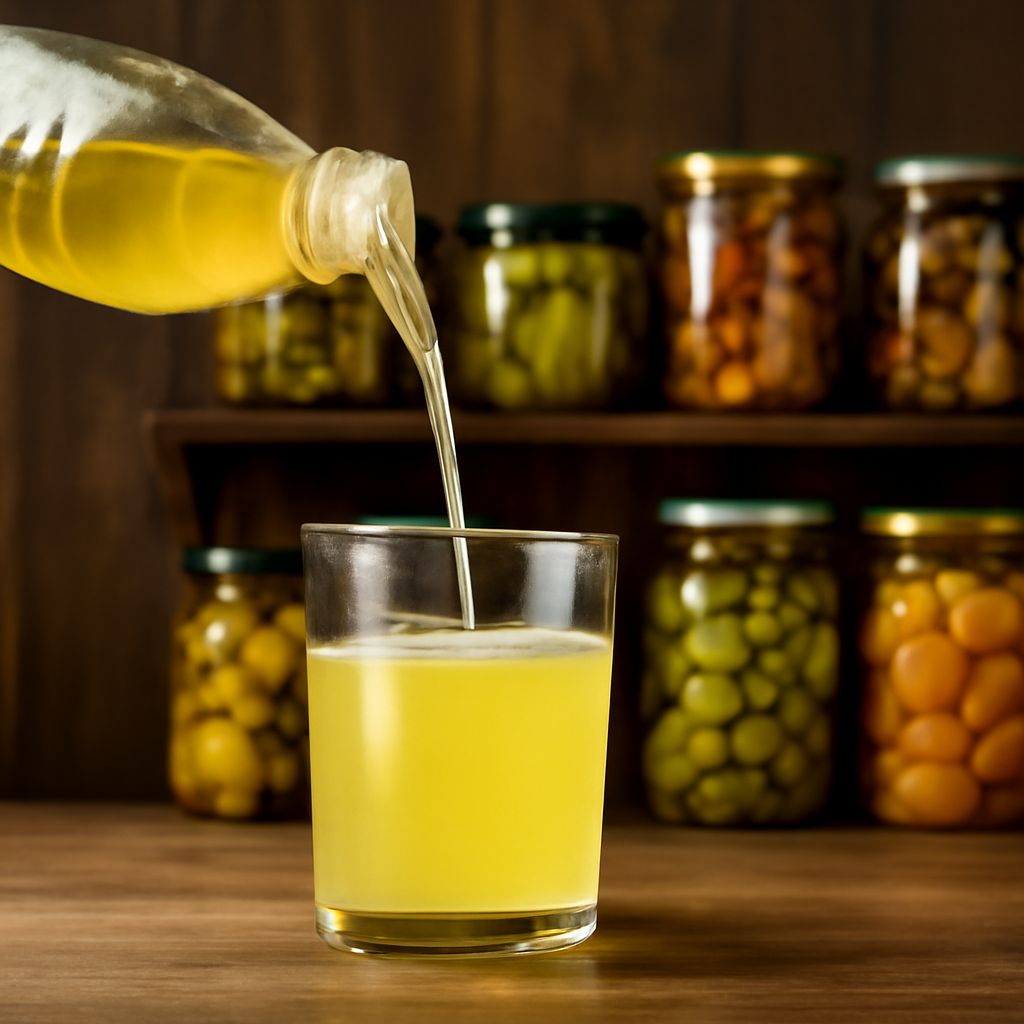
Pickle juice is simply the liquid left after pickling cucumbers. Traditionally, this brine is a mix of water, vinegar, salt, and sometimes spices and herbs like dill, garlic, or peppercorns. After cucumbers soak in it, the solution becomes saturated with their flavors and nutrients, resulting in the familiar tangy taste that’s both refreshing and sharp on the palate.
In recent years, this humble byproduct has gained a surprising following beyond the deli counter. Fitness enthusiasts, runners, and even professional athletes have started swearing by a pickle juice drink for its purported ability to relieve muscle cramps and boost hydration. The rise in popularity isn’t limited to sports circles. Bartenders use it for picklebacks, health-conscious people add it to smoothies, and home cooks use it to jazz up salad dressings or marinades.
The buzz stems from anecdotal reports and some emerging studies suggesting benefits of drinking pickle juice. People searching for alternatives to sugary drinks or synthetic sports beverages are increasingly drawn to its natural mineral content and bold flavor. But does the science back up the hype? Let’s explore what’s actually in this tangy liquid.
Is Pickle Juice Good for You? Breaking Down the Nutrition
To decide “is pickle juice good for you,” it helps to look at its nutritional profile. Most varieties contain sodium, vinegar, trace minerals, and sometimes small amounts of potassium and magnesium. These electrolytes play crucial roles in muscle function, fluid balance, and nerve signaling—essential for anyone active or sweating heavily.
The sodium content in a typical pickle juice serving is significant—often upwards of 500 to 1000 mg per half-cup. For people who lose a lot of salt during exercise or hot weather, this can help restore balance quickly. The vinegar provides not only the acidity that preserves pickles, but also potential benefits for blood sugar control, though research is still evolving in this area.
Some health benefits of pickle juice may also be attributed to antioxidants found in herbs and spices used during pickling. However, the presence and levels of these beneficial compounds vary widely depending on how your pickles are made—homemade brines often contain more natural ingredients compared to commercial brands, which sometimes add artificial flavors and preservatives.
On the downside, the high sodium levels mean pickle juice isn’t ideal for everyone, especially those with hypertension or anyone sensitive to salt. It rarely contains much protein or fiber, so while a pickle juice drink can be a refreshing pick-me-up, it doesn’t replace a balanced meal or snack. Used appropriately, though, it offers distinct advantages for specific situations, as we’ll see next.
Top Benefits of Drinking Pickle Juice Backed by Science
Muscle Cramp Relief
Among the most touted pickle juice benefits is its reputed ability to stop muscle cramps almost instantly. Scientific investigations suggest that the acetic acid in pickle brine may trigger a reflex in the mouth or throat, interrupting the nerve signals responsible for cramping. In short, some research shows that sipping a small amount—about 1 to 3 ounces—can provide relief in less than 90 seconds for some people.
This effect is distinct from simply replenishing lost electrolytes; it’s more about how your nervous system responds to the sharp, sour taste. While not everyone experiences dramatic results, many athletes find that including pickle juice in their workout recovery toolkit helps manage cramps better than plain water or even traditional sports drinks.
Hydration and Electrolytes
Another well-documented benefit of drinking pickle juice is its support for hydration. Intense physical activity, especially in hot climates, can lead to rapid loss of sodium and potassium through sweat. The briny nature of pickle juice provides these electrolytes in a form your body can absorb quickly, helping to restore fluid balance and prevent dizziness or fatigue.
For those who exercise regularly, a small serving of the juice before or after strenuous activity can help ward off symptoms of dehydration. Compared to sugary sports drinks, it contains fewer calories and artificial additives, making it appealing to anyone looking to avoid unnecessary sugars while still maintaining electrolyte levels.
Gut Health and Digestion
Fermented pickles (those made through natural lacto-fermentation, not just vinegar) contain probiotics, which are beneficial bacteria for your digestive system. Consuming the brine from these pickles may introduce live cultures to your gut, supporting healthy digestion and potentially improving immunity. Even in vinegar-based pickles, the acetic acid has been linked to improved insulin sensitivity and reduced post-meal blood sugar spikes in some studies.
While not all pickle juices offer the same probiotic content, the inclusion of garlic, dill, and other spices can contribute plant compounds that reduce inflammation and promote healthy gut function. For best results, look for brine from naturally fermented pickles, or make your own at home for the highest concentration of live cultures.
Health Benefits of Pickle Juice: Are There Any Risks?
Despite the potential health benefits of pickle juice, certain risks must be considered. The high sodium content can be a double-edged sword. For athletes and those who sweat heavily, this can speed up recovery. However, for individuals with high blood pressure, heart issues, or kidney problems, excessive sodium from regular pickle juice consumption may worsen their condition.
Some commercially produced pickle juices also contain additives, artificial colors, and preservatives that may not provide any health benefit—and might actually detract from nutrition. Always read labels and consider choosing lower-sodium or naturally fermented options if you’re including pickle juice in your diet regularly.
Additionally, the strong vinegar and acidity can aggravate existing stomach issues like acid reflux or gastritis in sensitive individuals. If you’re unsure how your body will react, start with a small amount—such as a tablespoon diluted in water—and monitor for signs of discomfort.
As with any wellness trend, moderation matters. Drinking large quantities daily isn’t recommended and can lead to unwanted side effects. Instead, think of pickle juice as a supplement for specific needs, not a substitute for water or a balanced meal.
How to Add Pickle Juice to Your Diet Safely
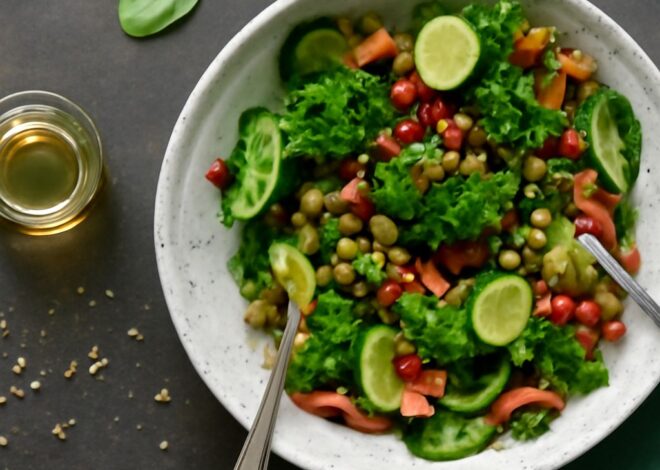
If you’re interested in reaping the pickle juice benefits, there are several tasty and safe ways to include it in your routine. For post-workout recovery, try sipping 1–2 ounces immediately after exercise, followed by water. The brine can also be mixed into homemade salad dressings, added to marinades, or even drizzled on roasted vegetables for an extra flavor punch.
Start small to see how your body responds. If you’re making your own pickles, use quality ingredients—filtered water, good salt, and fresh herbs—to maximize both taste and nutrition. Remember, naturally fermented pickles offer extra probiotics, but even standard vinegar-based versions can be useful for hydration and cramp prevention.
If you’re managing your sodium intake, dilute the juice with water or opt for brands with lower salt content. Some companies now make sports-oriented pickle juice shots, which list their sodium, potassium, and calorie content for easy tracking. Always consult your healthcare provider before making regular, significant changes to your diet—especially if you have a chronic health condition.
With a bit of creativity, pickle juice can become a flavorful addition to your meals and a functional part of your wellness toolkit. Just remember to balance it with plenty of water, whole foods, and variety for optimal nutrition.
Key takeaways: Pickle juice offers practical benefits for hydration, cramp relief, and possibly gut health, when used in moderation. It’s not a cure-all, but with mindful use and attention to sodium, it can be a useful support for active lifestyles or those seeking a flavorful electrolyte boost.