Height Surgery: Understanding Leg Lengthening and Height Increase Procedures
Imagine standing in front of a full-length mirror, envisioning yourself just a few inches taller—enough to feel more confident in every room you enter. Perhaps you’ve wondered if height surgery could help you achieve this change, or maybe stories about leg lengthening surgery have caught your attention online. These advanced cosmetic procedures are not just medical marvels; they’re also deeply personal journeys for those seeking a height increase surgery to transform their stature and self-image.
In this article, you’ll step into the world of surgical height enhancement, learning about the realities, the science, the candidates, and the recovery. Whether you’re researching for yourself or a loved one, you’ll find a hands-on perspective—covering processes, risks, and real-life expectations—so you can make an informed decision about whether height surgery is right for you.
What Is Height Surgery?
Height surgery refers primarily to medical procedures designed to make an individual taller by physically lengthening the bones of the legs. These operations, often called stature lengthening or limb lengthening, focus on increasing vertical height by gradually separating the bones, allowing new tissue to form and heal in the gap. Though some are motivated by functional needs—such as correcting limb discrepancies—the majority of adults who choose these interventions seek cosmetic height enhancement.
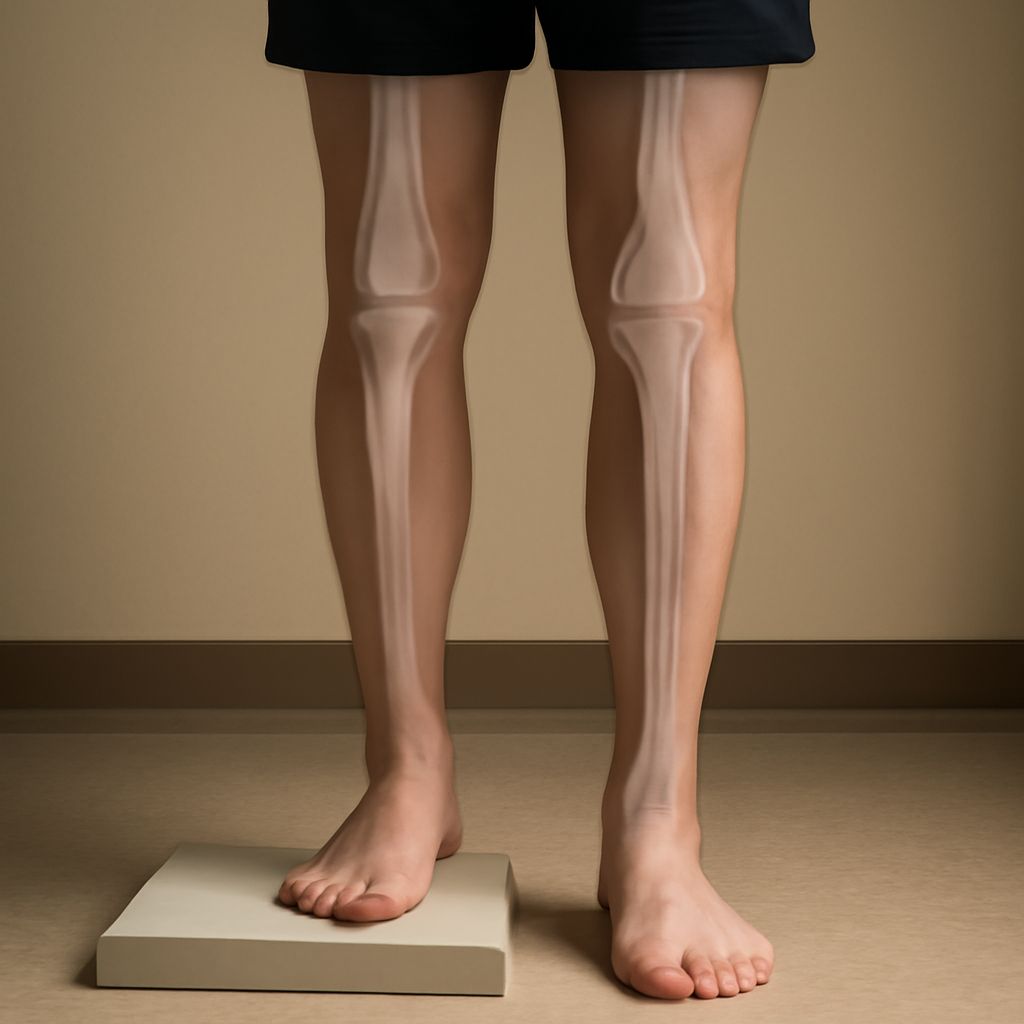
The term “height surgeries” encompasses several approaches, but the most widely accepted involves lengthening the femur (thigh bone), the tibia (shin bone), or both. This process, while medically sophisticated, has clear cosmetic implications and is performed in specialized orthopedic or cosmetic surgery centers. For many adults, especially those who’ve felt self-conscious about their height for years, the availability of these procedures represents a life-changing opportunity.
It’s important to recognize that height-increasing operations do not simply add a few centimeters overnight. These are deliberate, staged journeys with significant commitment. Techniques have evolved since the original Ilizarov method in the 1950s, and today’s surgeries utilize advanced implantable devices, improved anesthesia, and personalized rehabilitation plans to minimize complications and optimize results.
Height surgeries are not to be confused with simple orthopedic treatments. They’re often elective, requiring a comprehensive understanding of the process, realistic expectations, and a readiness to invest both time and effort into recovery.
How Does Leg Lengthening Surgery Work?
The process of leg lengthening, which underpins most modern height increase procedures, involves several critical steps. First, the surgical team makes a precise cut in the bone to be lengthened—commonly the femur or tibia—under general anesthesia. Through either internal or external fixation methods, the separated bone segments are stabilized so that controlled, gradual stretching can take place.
Most contemporary limb-lengthening surgeries employ motorized intramedullary nails (rods placed inside the bone), eliminating the need for bulky external frames. These devices are usually adjusted, via a magnetic remote or motorized mechanism, to slowly widen the gap—typically by about 1 millimeter per day. The body responds by generating new bone cells in the expanding space, a process known as distraction osteogenesis.
With leg-lengthening surgeries, patients are closely monitored by their surgical team. Routine X-rays and regular clinical checkups are required to ensure proper alignment and detect any early complications. The lengthening phase can last six to twelve weeks, depending on the targeted increase. During this time, patients actively participate in physical therapy to maintain healthy joint movement and muscle strength.
After the desired length is achieved, there is a consolidation phase while the new bone hardens—a period that can last several months. Only when the bone is strong enough and function has returned will the device be removed, if necessary. Throughout the journey, your medical team carefully tailors rehabilitation to your body’s response, ensuring every millimeter gained is safely maintained.
Who Is a Good Candidate for Height Increase Surgery?
Not everyone is suited for height-increasing procedures, so candidacy is assessed with great care. Ideal candidates are healthy adults—typically between 18 and 50 years old—who have reached full skeletal maturity. Good overall health, including stable cardiovascular and metabolic systems, is essential to ensure safe anesthesia and smooth postoperative recovery.
For those considering these height-increase interventions, realistic expectations are crucial. Most patients should aim for an increase of 5 to 8 centimeters (around 2 to 3 inches) per limb segment. Attempting to exceed this range can compromise bone and soft tissue health, increasing risks substantially. A thorough psychological evaluation is also standard; the process is lengthy and demands dedication, so emotional resilience and strong motivation are vital.
Multiple leg-lengthening surgeries can be considered for individuals seeking a more pronounced height enhancement, but each additional round increases the recovery time and physical demands. Smokers, individuals with chronic illnesses, or those with poor bone quality may be advised against these surgeries, as healing can be compromised.
Ultimately, a detailed screening—including blood tests, bone density scans, and consultations with orthopedic and mental health professionals—determines if you are ready for leg-lengthening. If you have any pre-existing conditions or prior leg injuries, these will be thoroughly evaluated before proceeding.
Risks and Considerations with Height Surgery
As with any major operation, leg lengthening and height-increase surgeries come with their share of risks. While techniques have evolved and safety has improved, potential complications include infection, nerve or blood vessel injury, blood clots, and delayed bone healing. There is also the chance of device malfunction; even with modern, fully internal systems, adjustments may be required.
Some patients experience muscle or joint stiffness, which is why supervised physiotherapy is essential throughout the recovery. More rarely, limb deformities or discrepancies can develop if the bone or soft tissues do not adapt evenly. Meticulous monitoring—including weekly or biweekly checkups and imaging—is crucial to identify problems early and address them proactively.
Other considerations include the psychological effects of a prolonged recovery, especially since patients may be limited in mobility for several months. The financial investment in leg-lengthening surgery is significant, and insurance coverage is rare except in cases involving medical necessity. Travel for specialized care may also be required, adding to logistical complexity.
Finally, the cosmetic outcome—while often dramatic—may not always meet initial aspirations. Your surgeon will discuss potential scarring, limb proportions, and the subtle changes in gait or movement that can accompany a new stature. Informed consent and clear communication are key at every stage.
Recovery and Expected Results After Leg Lengthening Surgery
The recovery following height-enhancing surgery is both a physical and emotional process. The initial hospitalization generally lasts between 3 and 7 days. Patients are encouraged to begin gentle movement with supervised physiotherapy almost immediately, focusing on maintaining joint flexibility and muscle function. Pain is managed with a combination of medication and nonpharmacological techniques such as ice and positioning.
During the active lengthening phase, which spans 1 to 3 months depending on the targeted gain, you’ll gradually increase your height by fractions of a millimeter each day. The tactile sensation of the lengthening process is unique—mild tightness and stretching are common, with periodic X-rays to ensure steady, complication-free bone growth. Most experience a visible difference in stature within weeks, and reach full projected height after several months.
After the device has achieved the planned extension, the consolidation phase begins. This is when the regenerated bone matures and strengthens—a process lasting anywhere from 3 to 6 months. During this period, weight-bearing is cautiously reintroduced, and physiotherapy intensifies to help you regain a natural gait and build muscle endurance.
By 12 to 18 months post-op, the majority of patients are able to resume pre-surgery activities with their new height. Full results may be seen around one year after device removal, with ongoing improvements in strength and coordination. Scars fade, and most report substantial boosts in self-confidence and satisfaction with their new stature.
Choosing the Right Clinic for Height Increase Surgery
Selecting a reputable clinic is fundamental to a safe, effective height-enhancement experience. Look for centers with board-certified orthopedic or cosmetic surgeons who specialize in limb-lengthening. Ask about their experience, complication rates, and access to multidisciplinary support—including physiotherapists and psychologists—since recovery relies on comprehensive care.
Examine the clinic’s technology and protocols. Leading centers use the latest motorized devices and digital imaging systems, and provide clear information about every phase of the process. Request patient testimonials or before-and-after data to gauge satisfaction and outcome consistency.
During your consultation, expect a detailed discussion of your goals and concerns. The best clinics foster open communication, encourage second opinions, and never rush the decision-making process. Financial transparency is also vital: obtain a detailed cost breakdown and ask about payment plans, as most elective height surgeries are self-funded.
Lastly, trust your instincts. A quality clinic will prioritize your safety, dignity, and long-term health above all, guiding you through each step with professionalism and empathy.
Pro tips recap: Height surgery is a transformative journey, demanding careful planning, the right medical team, and sustained personal commitment. Focus on realistic expectations, prioritize safety during every phase, and invest in comprehensive aftercare—including physiotherapy and regular follow-ups—for the best outcomes. Your path to increased height should always be guided by expert hands and evidence-based care.