How to Heal Your Gut: Nutrition Strategies for Better Digestion
Imagine waking up with energy, a clear mind, and a comfortable belly. You’ve been paying attention to your gut health, adding foods that help digestion, and it shows—your skin glows and your mood lifts. But maybe you remember the days when bloating, sluggishness, or unpredictable digestion held you back. Now, you’re ready to find out what helps with digestion, and how a gut healing diet can transform not just your stomach, but your whole sense of well-being.
As you read, you’ll discover simple strategies and practical changes you can make, starting today. Whether you’re curious about how to heal your gut naturally, or you want to fine-tune your daily habits, these proven nutrition strategies are designed to work in real life—at your pace, with your favorite foods, and for lasting results.
Understanding the Importance of Gut Health
Gut health is more than just a buzzword; it’s the foundation for overall vitality. The digestive tract is home to trillions of bacteria—collectively called the gut microbiome—which support immune function, nutrient absorption, and even mental health. When this system is balanced, you feel the difference in everything from regular bowel movements to improved mood stability.
Digestive issues can arise for many reasons: stress, antibiotics, processed foods, or lack of dietary fiber. When disruptions occur, signs such as gas, irregularity, or discomfort often signal that your digestive system needs care. Paying close attention to your body’s cues is the first step in understanding what it needs for optimal function.
Research has linked poor gut health with various chronic conditions, including irritable bowel syndrome (IBS), food intolerances, and mood disorders. A thriving gut also helps the body fend off pathogens and produce essential vitamins like B12 and K2. So, investing time and effort into nurturing your digestive tract is investing directly in your long-term health.
When you consistently incorporate foods that help digestion, your body not only processes nutrients better but also feels stronger and more resilient. Let’s explore practical ways to heal and support your gut, naturally.
How to Heal Your Gut Naturally
Natural healing starts with understanding your body’s signals. If you’ve ever noticed that certain meals leave you feeling uncomfortable or fatigued, it’s your gut communicating with you. By keeping a food diary for at least seven days, you can spot patterns—does bread make you bloated, or does yogurt feel soothing?
One proven approach is to gradually increase your intake of dietary fiber through whole foods, rather than abrupt changes that can cause discomfort. Start by adding a serving of leafy greens or a tablespoon of ground flaxseed to your breakfast. Notice how your digestion responds over a week, adjusting as needed to avoid sudden increases that may lead to gas or cramping.
Staying hydrated is another essential, often overlooked, step. Aim for at least eight cups of water daily. Proper hydration keeps things moving smoothly and helps the gut lining repair itself. Herbal teas like chamomile or ginger can also be gentle on the stomach and offer their own digestive benefits.
Lastly, consider fermented foods such as kefir, sauerkraut, or kimchi a few times each week, as these introduce beneficial bacteria that support a healthy microbiome. If you’re new to fermented foods, start with small portions—about a tablespoon—so your system can adapt without overwhelming your gut.
Foods That Help Digestion and Promote a Healthy Gut
Your daily choices at mealtime have a profound effect on digestive wellness. High-fiber vegetables, including broccoli, carrots, and artichokes, act as prebiotics. These fuel the good bacteria in your intestines, helping them thrive. Beans and lentils, when cooked thoroughly and introduced slowly, can also become staples in a gut-supportive eating pattern.
Don’t overlook the benefits of whole grains. Brown rice, oats, and quinoa provide steady energy and support regularity. Aim for at least three servings of whole grains per day, spaced across meals. If you find certain grains hard to digest, soak them for several hours before cooking to reduce their phytic acid content and enhance nutrient absorption.
Fermented items, such as plain yogurt with live cultures, miso, and kombucha, bring live microorganisms that enrich your microbiome. Try swapping ordinary salad dressing for a spoonful of sauerkraut or topping your soup with a dollop of miso. By making these swaps two or three times a week, you’ll slowly make beneficial bacteria a regular part of your diet.
Healthy fats are equally vital. Incorporate avocados, extra-virgin olive oil, and a handful of nuts or seeds into snacks and meals. Such fats help the digestive system process fat-soluble vitamins while also reducing inflammation in the gut lining. As a rule of thumb, use a thumb-sized portion of oil or a quarter of an avocado per meal for digestive support.
What Helps with Digestion: Everyday Habits and Tips
Beyond food choices, your daily habits play an instrumental role in digestive health. Chewing thoroughly is one of the simplest yet most effective practices. Take time with each bite—aim for about 20 to 30 chews—so enzymes in your saliva can start breaking down food before it reaches your stomach.
Establishing regular eating times helps your system anticipate and prepare for meals. Try to eat at similar times each day, and avoid skipping meals, as erratic eating can disrupt the natural rhythm of your gut. Giving yourself at least 12 hours between your last meal at night and your breakfast can also provide time for your digestive tract to rest and repair.
Movement matters, too. Even a brisk 10-minute walk after lunch or dinner stimulates digestion and reduces feelings of sluggishness. If you’re unable to exercise intensely, gentle yoga or stretching can still ease bloating and support motility.
Lastly, manage stress with mindfulness techniques such as deep breathing, meditation, or even journaling. The gut and brain are intricately linked, and chronic stress can slow digestion or trigger discomfort. Set aside at least five minutes each day to decompress, and you may notice a difference in your digestive ease within a week or two.
Creating a Gut Healing Diet for Lasting Wellness
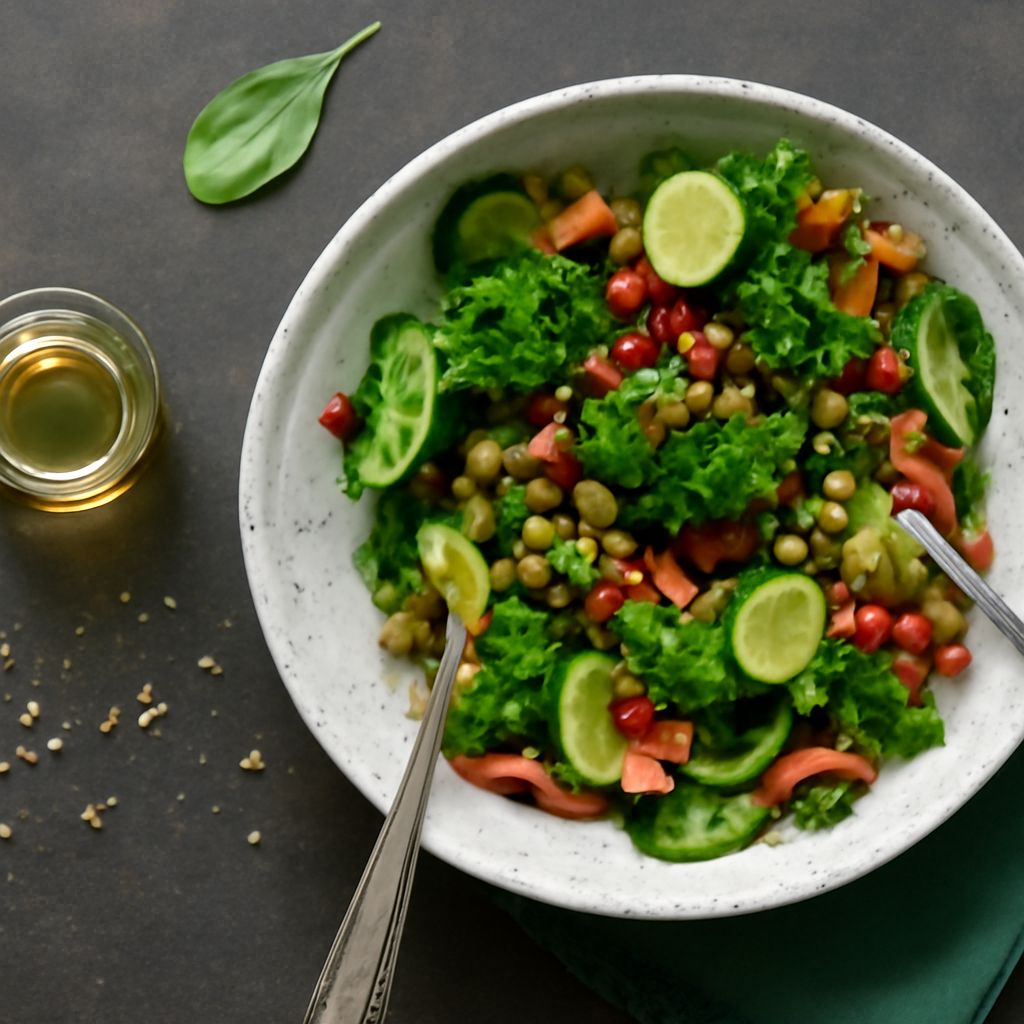
Building a sustainable gut healing diet starts with balance and variety. Ensure each meal contains sources of fiber, healthy fats, and protein. For example, a typical lunch might include grilled salmon, roasted sweet potatoes, mixed greens, and a side of fermented pickles. Planning in advance makes it easier to maintain consistency and avoid highly processed or sugary foods that can compromise gut balance.
Portion size and frequency matter. Overeating can strain your digestive organs, so practice eating until you are satisfied rather than stuffed. Use a smaller plate, and pause halfway through your meal to check your hunger. This mindful approach helps you tune in to your body’s needs, supporting both digestion and weight management.
Supplementation is sometimes necessary, especially after antibiotics or periods of illness. However, focus first on food sources—probiotic capsules or digestive enzyme supplements can be helpful, but should complement, not replace, a nutrient-rich diet.
Give yourself time—most people notice improvements in digestive comfort and regularity within two to four weeks of consistent dietary and lifestyle changes. Track your symptoms, energy levels, and mood to monitor progress. If challenges persist, consider consulting a registered dietitian to tailor a plan for your specific needs.
Bottom line: A thriving digestive system is achievable with mindful nutrition, balanced meals, and supportive daily habits. Listening to your body and making gradual improvements transforms gut health into a lifelong foundation for wellness.