Acid Reflux Diet: A Complete Guide to Managing Symptoms
Imagine you’re sitting down to enjoy a hearty meal, only to be interrupted by a familiar burning sensation creeping up your chest. It’s the dreaded acid reflux, and it’s robbing you of comfort and enjoyment. You’ve heard about the benefits of an acid reflux diet but are unsure where to start. The terms “non acidic foods” and “low acid foods” seem promising, but how do they fit into your daily life?
Understanding Acid Reflux and Its Causes
Acid reflux occurs when stomach acid flows back into the esophagus, causing discomfort and a burning sensation known as heartburn. This condition can result from various factors, including diet, lifestyle habits, and physiological issues. Some common causes include eating large meals, lying down after eating, and consuming certain foods and beverages. Understanding these triggers is crucial to managing symptoms effectively.
Key Principles of an Acid Reflux Diet
The cornerstone of an effective acid reflux diet is to reduce the intake of foods that trigger symptoms while incorporating those that promote digestive health. This often involves a balance of avoiding high-fat foods and embracing more non-acidic and low-acid options. Consistency in meal timing and portion control can also play a significant role in managing acid reflux symptoms.
Foods to Avoid with Acid Reflux
Certain foods are notorious for exacerbating acid reflux symptoms. Spicy foods, fatty meals, and acidic beverages like coffee and soda can irritate the esophagus. It’s also wise to steer clear of chocolate, mint, and citrus fruits, as they can lower the pressure in the lower esophageal sphincter, allowing stomach acid to escape more easily.
Incorporating Non Acidic Foods into Your Diet
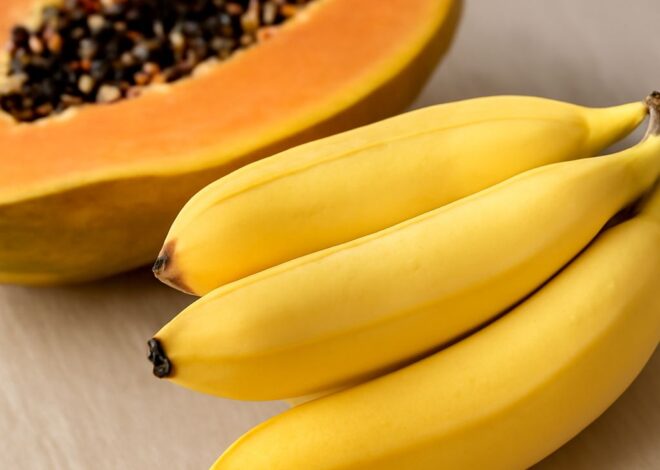
Non acidic foods can be a game-changer for those suffering from acid reflux. Foods such as oatmeal, bananas, and leafy greens are gentle on the stomach and can help neutralize acid. Incorporating these foods into your daily meals can provide relief and contribute to overall digestive health.
Exploring Low Acid Foods for Relief
Low acid foods offer another layer of protection against the discomfort of acid reflux. Root vegetables like sweet potatoes, carrots, and beets are excellent choices. Additionally, many nuts and seeds, such as almonds and flaxseeds, are less likely to trigger symptoms and can be easily integrated into snacks or meals.
Practical Tips for Following an Acid Reflux Diet
Adopting an acid reflux diet requires mindful adjustments to eating habits. Start by eating smaller, more frequent meals rather than large portions. Avoid eating close to bedtime, and elevate your head during sleep to prevent nighttime reflux. Keeping a food diary can also help identify specific triggers and refine your diet plan accordingly.
Bottom line: Managing acid reflux involves understanding the foods and habits that trigger symptoms. By focusing on non acidic foods and low acid foods, you can effectively reduce discomfort and enhance your quality of life. With careful planning and lifestyle modifications, relief is well within reach.
Related Posts

Diverticulitis Diet: What You Need to Know
What to Eat When You Have Diarrhea: A Comprehensive Guide