Low Fiber Diet: A Comprehensive Guide
Imagine walking through the produce aisle, basket in hand, and you’re on a mission to find the perfect balance of low fiber foods. You’re armed with a list that includes specific vegetables and fruits, knowing they are key players in a low fiber diet. This dietary change is not just about managing specific health conditions but also about discovering the often-overlooked essentials of a low fiber regime. With determination, you pick the right items, ready to embrace the new dietary journey ahead.
Understanding a Low Fiber Diet
A low fiber diet is designed to reduce the intake of certain types of fiber found in various plant-based foods. This type of eating plan is particularly beneficial for individuals dealing with digestive issues, such as irritable bowel syndrome (IBS) or after certain surgeries. The primary goal is to minimize residue in the digestive tract, allowing your system to rest and recover. By reducing fiber, the digestive system experiences less irritation, often leading to improvements in symptoms like bloating and abdominal discomfort.
Fiber is primarily found in fruits, vegetables, grains, and legumes. In a low fiber diet, the focus shifts to consuming foods lower in both soluble and insoluble fiber. This means choosing processed grains over whole grains, and peeling fruits and vegetables to remove the fibrous skin. Such adjustments help the digestive system process food more easily without the roughage that high fiber content provides.
Benefits of a Low Fiber Diet
Adopting a low fiber diet can provide several benefits, especially for those with specific medical conditions. One of the main advantages is the reduction of digestive system workload. By consuming low fiber foods, the digestive tract is less stressed, which can help prevent flare-ups of conditions like diverticulitis and certain inflammatory bowel diseases.
Furthermore, a low fiber diet can be essential before or after gastrointestinal surgery to ensure that the digestive system is not overwhelmed during recovery. It promotes quicker healing by limiting the strain on the intestines. Additionally, it may assist in managing diarrhea by reducing stool bulk and frequency.
Top Low Fiber Foods to Include
While transitioning to this diet, understanding which foods are suitable is crucial. Here are some top picks:
Low Fiber Vegetables
- Carrots: Cooked carrots are a great addition, as cooking reduces their fiber content significantly.
- Zucchini: This vegetable, especially when peeled, offers a delightful, low fiber option.
- Potatoes: Without the skin, potatoes can be a staple in a low fiber diet, providing a comforting base for many meals.
Low Fiber Fruits
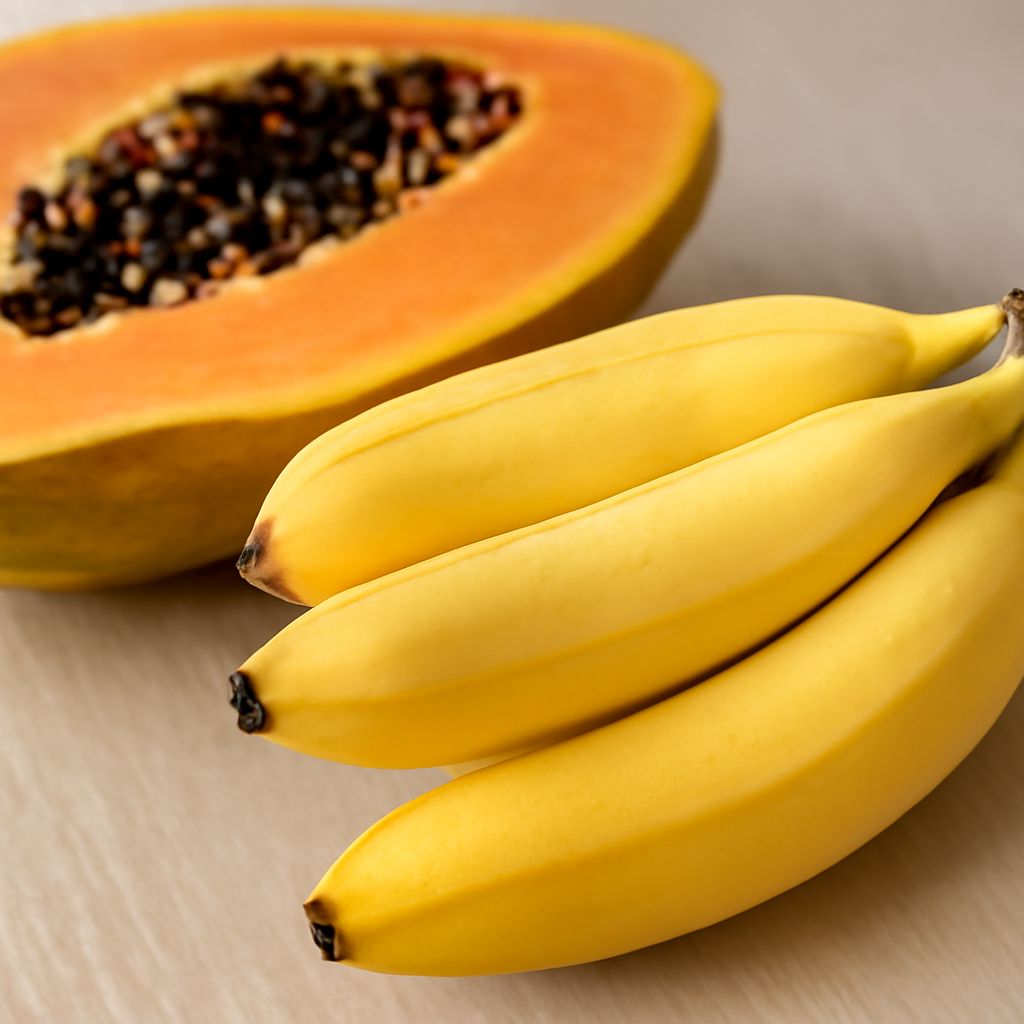
- Bananas: This fruit is not only easy to digest but also low in fiber, making it perfect for those needing to limit fiber.
- Melons: Watermelon and cantaloupe are refreshing, hydrating, and low in fiber.
- Applesauce: Opt for unsweetened varieties for a low fiber, easy-to-eat snack.
These fruits and vegetables can be effortlessly integrated into your meals, ensuring that you maintain nutritional balance while adhering to dietary requirements.
How to Transition to a Low Fiber Diet
Switching to a low fiber diet involves strategic planning and gradual changes. Begin by identifying high fiber foods in your current diet and seeking alternatives. Replace whole grains with white rice, refined pasta, and white bread. When using vegetables and fruits, peel them and opt for canned or cooked versions to reduce fiber content.
It is also wise to monitor your body’s responses to these dietary changes. Keep track of digestive comfort levels and symptoms over time. Engage with a healthcare professional or a dietitian to ensure you are meeting your nutritional needs while maintaining the low fiber requirements.
Adapting your meals gradually over a week or two can make the transition smoother, minimizing potential digestive upsets. Incorporating plenty of fluids can also aid digestion and help in managing any changes in bowel habits.
Frequently Asked Questions
- What are the main foods to avoid on a low fiber diet? High fiber foods such as whole grains, raw vegetables, nuts, seeds, and legumes should be limited.
- How long should someone stay on a low fiber diet? The duration depends on individual health needs and should be guided by a healthcare professional.
- Can you get enough nutrients without fiber? Yes, by carefully selecting nutrient-dense foods and seeking professional advice to ensure overall dietary balance.
Pro tips recap: Transitioning to a low fiber diet can aid in managing digestive health. Select low fiber vegetables and fruits, peel when necessary, and cook your produce to reduce fiber content. Monitor your body’s response and seek professional guidance to maintain nutritional balance.