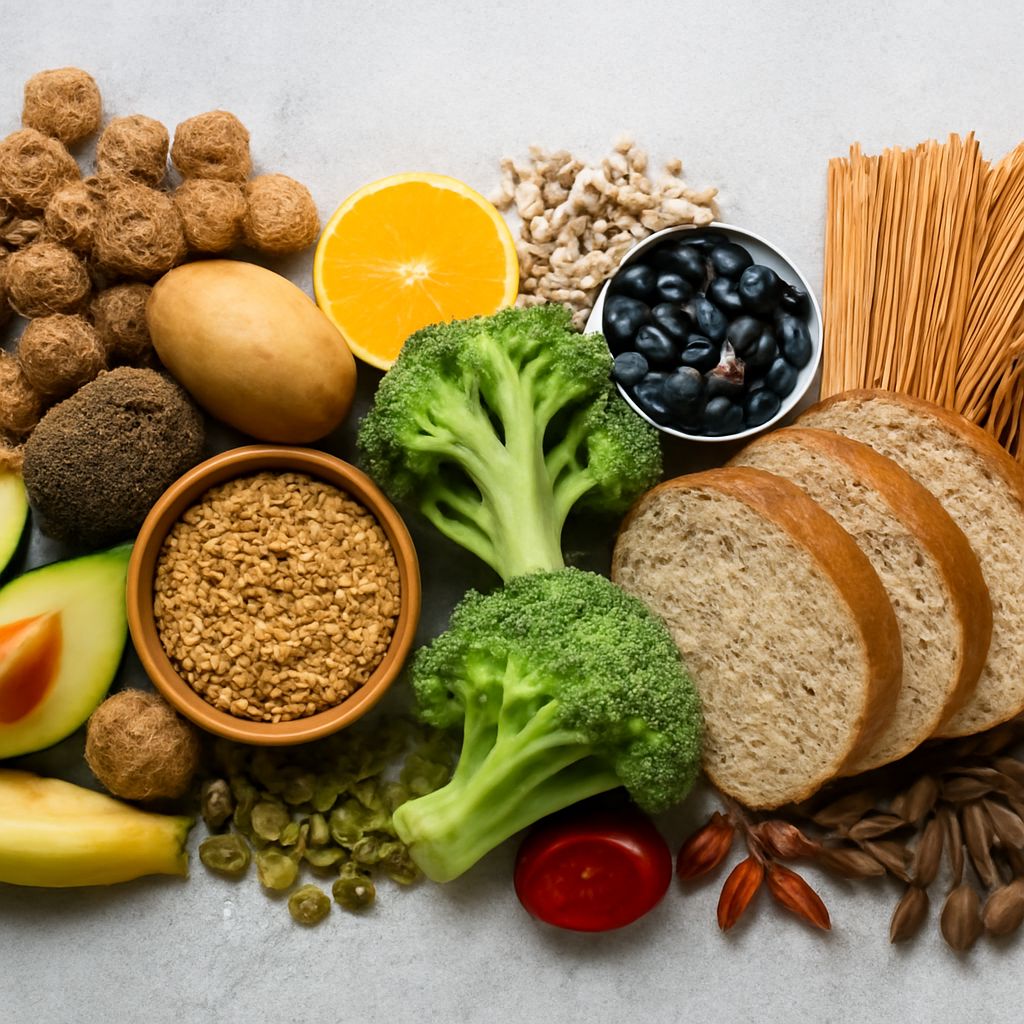
Natural Stool Softener: Foods to Keep You Regular
Imagine waking up one morning feeling bloated and uncomfortable. You sip your coffee and wonder, “Are bananas good for constipation?” The answer lies not just in one fruit but in a broader understanding of how natural stool softeners, including a variety of foods, can help you maintain digestive health. Discovering what foods make you poop naturally can transform your mornings into a time of regular and easy relief, rather than an uncomfortable struggle.
Integrating these foods into your diet isn’t just about immediate relief—it’s about fostering a long-term relationship with your gut. From the vibrant crunch of fresh vegetables to the subtle sweetness of ripe bananas, the best foods for constipation are both delicious and nutritious. So, let’s dive into the details and learn how to keep your digestive system running smoothly.
Understanding Constipation and Its Causes
Constipation is a common issue affecting people of all ages. The discomfort and bloating often associated with it can stem from several causes, including a lack of fiber, insufficient water intake, or a sedentary lifestyle. Stress and certain medications can also play a role in disrupting your digestive regularity. To alleviate this condition, understanding the root causes is crucial.
Fiber is essential for creating bulk in the stool, which helps it pass more efficiently through the digestive tract. When your diet is low in fiber, it can lead to infrequent or difficult bowel movements. Similarly, inadequate hydration can result in dry, hard stools that are tough to pass. Increasing your physical activity can stimulate intestinal function and help your system work more effectively.
Natural Stool Softeners and Why They Matter
Natural stool softeners are important because they offer a safe and effective way to relieve constipation without relying on harsh chemicals or medications. They work by enhancing the body’s natural digestive processes, promoting regular bowel movements, and preventing the discomfort associated with constipation.
Foods that act as natural stool softeners are typically high in fiber, which adds bulk to the stool and helps retain water, making it easier to pass. In addition to fiber, these foods may contain other compounds that support digestive health, such as probiotics and prebiotics, which encourage the growth of beneficial gut bacteria.
Foods That Help Relieve Constipation
A variety of foods can help keep your digestive system in balance. Whole grains, fruits, and vegetables are excellent sources of dietary fiber. Foods rich in soluble fiber, such as oats and legumes, absorb water and create a gel-like substance that helps soften stool. Insoluble fiber, found in foods like whole-wheat bread and broccoli, adds bulk and aids in moving food through the digestive system.
- Whole Grains: Brown rice, quinoa, and whole-wheat bread are packed with fiber.
- Fruits: Apples, pears, and berries are high in fiber and water content.
- Vegetables: Leafy greens, carrots, and squash can contribute to regularity.
- Legumes: Beans, lentils, and chickpeas are excellent fiber sources.
The Role of Bananas in Constipation Relief
Bananas are a versatile fruit often discussed in the context of digestive health. But, are bananas good for constipation? The answer is a bit nuanced. Ripe bananas are rich in soluble fiber, which can help to absorb water and ease stools through the digestive tract. Their natural sugars also promote gut health by providing energy for beneficial bacteria.
However, unripe bananas contain more resistant starch, which can be binding and may contribute to constipation if consumed in large quantities. Therefore, selecting ripe bananas over green ones is preferable when addressing constipation.
Other Foods that Encourage Digestion
Aside from bananas, several other foods can promote digestive health and relieve constipation. Prunes, for example, are renowned for their natural laxative effects due to their high sorbitol content. Similarly, flaxseeds and chia seeds are rich in omega-3 fatty acids and fiber, making them a great addition to smoothies or salads.
Fermented foods like yogurt, kimchi, and sauerkraut contain probiotics that support a healthy gut flora, enhancing digestion and regularity. Adding a variety of these foods to your meals can help smooth the digestive process and encourage regular bowel movements.
Tips for Incorporating These Foods into Your Diet
Incorporating these natural stool softeners into your diet can be simple and enjoyable. Start your day with a fiber-rich breakfast by adding fruits or seeds to your oatmeal or yogurt. Swap white bread for whole-grain alternatives, and make sure your lunch and dinner plates include a generous serving of vegetables.
Experiment with new recipes that include legumes as the main ingredient, such as bean salads or lentil soups. For snacks, choose fruits or nuts over processed foods. Also, remember to drink plenty of water throughout the day to aid the effects of dietary fiber and keep your digestive system hydrated.
Safety recap: When introducing these foods into your diet, do so gradually to allow your digestive system to adjust. Additionally, while these foods generally help promote digestive health, individual responses can vary, so monitor how your body reacts and consult a healthcare provider if needed.
Related Posts

Lemon Drop: A Refreshing Twist on a Classic Drink

Lipedema or Just Fat: Understanding the Difference