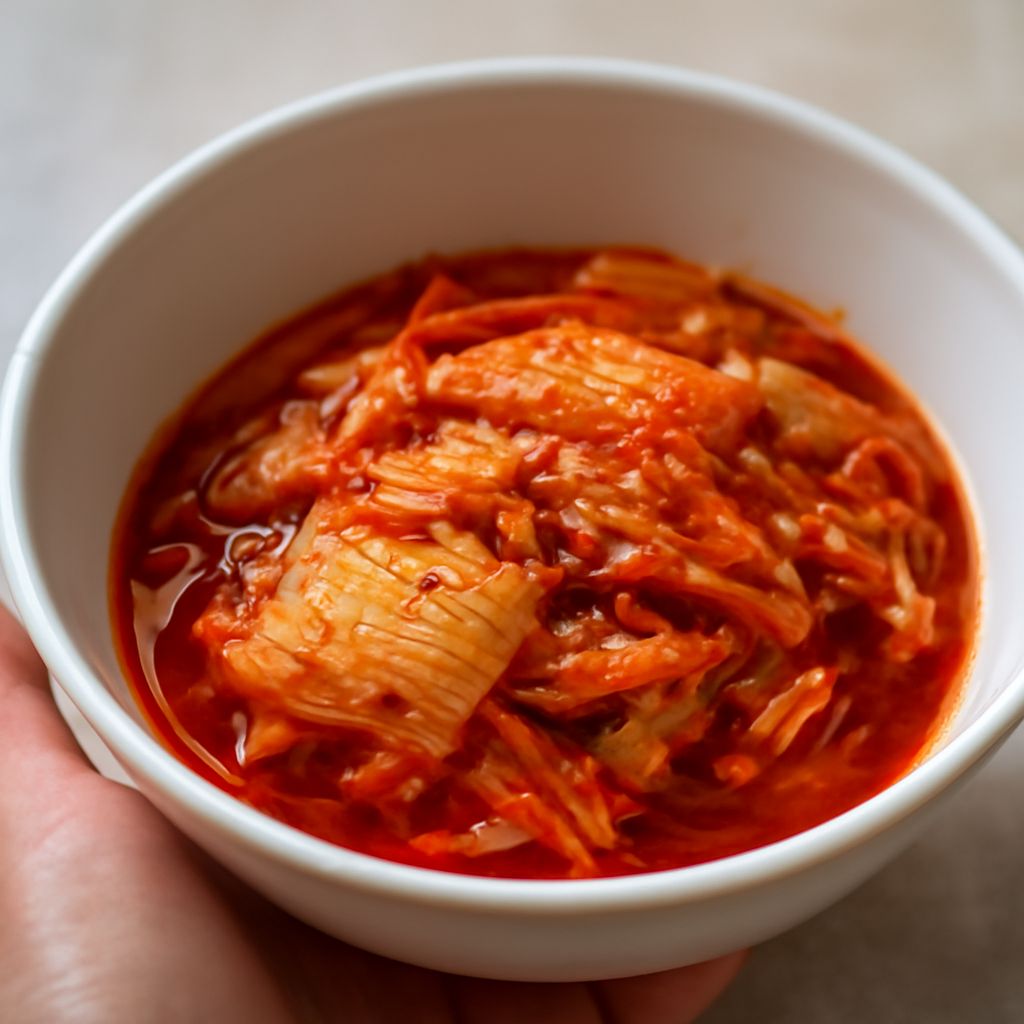
What to Eat When You Have Diarrhea: A Comprehensive Guide
Imagine you’re going about your day, and suddenly, your stomach starts to churn. You feel uneasy, almost on edge, as if your body is trying to tell you something. You rush to the bathroom, and it’s clear: you’re dealing with diarrhea. As uncomfortable as it is, knowing the right foods to eat can make a world of difference. You might wonder, “What should I be eating right now?” or “What foods should I avoid?” Understanding the best foods for diarrhea can help ease your symptoms and get you back on track.
Understanding Diarrhea: Causes and Symptoms
Diarrhea is a common digestive issue that can strike anyone. It involves frequent, loose, or watery stools and can lead to dehydration if not managed properly. Several factors contribute to this condition, including infections from viruses or bacteria, food intolerances, and even certain medications. Recognizing the symptoms early is crucial for effective management. Common symptoms include an urgent need to use the bathroom, abdominal cramps, and occasionally a fever or nausea. Knowing these signs can help you tailor your diet for diarrhea relief.
Foods to Eat When You Have Diarrhea
When dealing with this condition, choosing the right foods can help soothe your digestive system. Bland, low-fiber foods are generally recommended as they are easier on the stomach. Consuming foods that are high in electrolytes can also support hydration levels, which is vital during diarrhea. Start with small portions of foods like white rice, boiled potatoes, and plain crackers to test your body’s response. These options are gentle and provide necessary calories without aggravating the symptoms.
Foods to Avoid with Diarrhea
While certain foods can help, others might worsen your condition. High-fiber foods, such as bran and whole grains, can increase stool bulk and should be avoided. Similarly, dairy products and fatty or fried foods can be difficult to digest and may exacerbate your symptoms. It’s wise to steer clear of these foods until your digestive system has fully recovered. Carbonated drinks and artificial sweeteners can also irritate the stomach, so opting for water or clear broths is preferable.
Best Foods for Diarrhea Relief
When it comes to alleviating diarrhea symptoms, certain foods are particularly effective. Incorporating them into your diet can make a significant difference in your recovery process.
Bananas and Rice
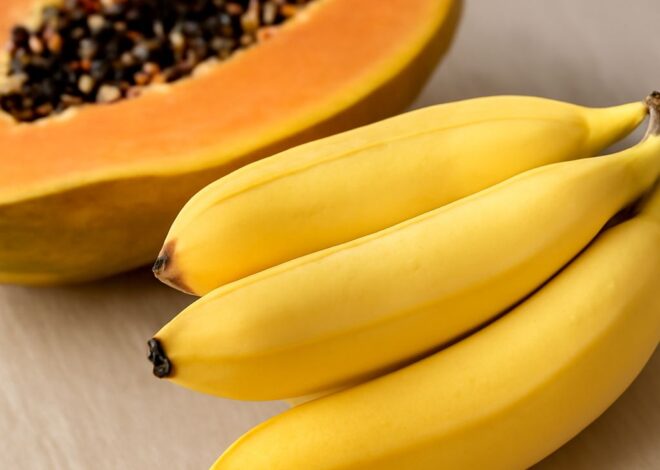
Bananas are rich in potassium, an essential electrolyte that is lost during diarrhea. Their soft texture and natural sugars provide energy without burdening your stomach. Pairing bananas with rice creates a balanced meal that is both soothing and easy to digest. Rice, particularly white rice, helps bind stools due to its low fiber content, making it a staple for an upset stomach.
Applesauce and Toast
Applesauce offers pectin, a type of soluble fiber that helps with stool formation. It’s a gentle option for your digestive tract while adding a bit of sweetness to your diet. Toast, especially made from refined white bread, is a classic choice. It is low in fiber and can be topped with a thin spread of jam for additional flavor.
Probiotics and Yogurt
Probiotics are beneficial bacteria that support gut health, making them a smart choice during and after a bout of diarrhea. Yogurt, especially those labeled with live cultures, can assist in balancing your intestinal flora. Choose plain, unsweetened varieties to avoid adding unnecessary sugars that might trigger further issues.
Foods to Help with Diarrhea Recovery
Once your symptoms begin to subside, it’s essential to gradually re-introduce a variety of foods to aid in recovery. Lean proteins, such as boiled chicken or turkey, can provide necessary nutrients without overwhelming your system. Cooked vegetables, like carrots and zucchini, offer vitamins while still being gentle on digestion. Continuing to hydrate with water and electrolyte-rich drinks is crucial to ensure a full recovery.
When to See a Doctor for Diarrhea
While most diarrhea cases resolve on their own, there are times when medical attention is necessary. If you experience severe abdominal pain, have a fever above 102°F, or notice blood in your stool, consult a healthcare professional. Additionally, if diarrhea persists for more than two days without improvement, it is advisable to seek medical advice. Persistent symptoms could indicate an underlying condition that requires professional intervention.
Safety recap: Managing diarrhea effectively involves knowing which foods to eat and which to avoid. Prioritize bland, easily digestible options, and steer clear of high-fiber, fatty, or sugary foods until recovery. Always ensure adequate hydration and consult a doctor if symptoms persist or worsen.
Related Posts
Low Fiber Diet: A Comprehensive Guide

FODMAP Diet: A Comprehensive Guide