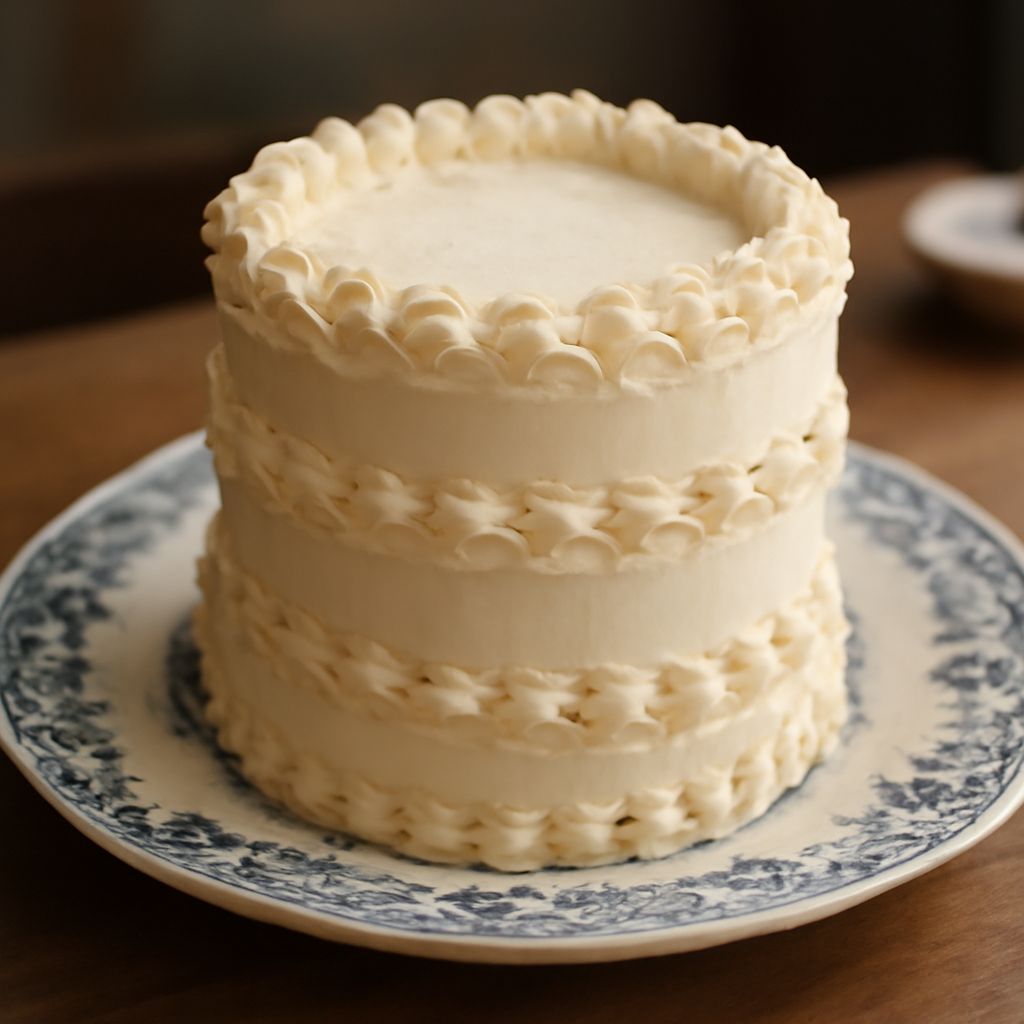
Buttercream Basics: Mastering Cake Icing
Imagine yourself in a cozy kitchen, sunlight streaming through the window as you prepare to embark on a baking adventure. The aroma of vanilla and sugar fills the air, and all you need now is the perfect buttercream icing to crown your cake creation. But how do you make icing that’s both simple and delicious? With a little knowledge about the fats involved and a simple icing recipe, you’re on your way to mastering the art of buttercream. Let’s dive into the world of cake icing where even a beginner can create a masterpiece.
Introduction to Buttercream
Buttercream is the quintessential icing for cakes, beloved for its creamy texture and delightful taste. It serves as a versatile foundation for a variety of cake decorations, from smooth finishes to intricate piping work. To master buttercream, one must understand its core components and the techniques that bring them together. By learning the basics, you can ensure that your buttercream not only looks fantastic but also complements the flavors of your baked goods.
Understanding Fats in Buttercream
The key to a successful buttercream lies in the fats you choose. Butter is the traditional choice, lending a rich flavor and smooth texture. It is crucial to use butter at room temperature, as it should be soft enough to beat without melting. This allows for the incorporation of air, which gives the icing its lightness.
Some recipes call for shortening, which is often used to achieve a more stable icing, especially in warmer climates. Shortening can also make buttercream whiter, appealing for certain decorative purposes. However, it lacks the depth of flavor that butter provides, so a combination of both can often be the best approach.
Whichever fats you choose, make sure they are fresh. Rancid fats can spoil the taste of your icing, so it’s worth investing in quality ingredients.
Simple Icing Recipe: Step by Step
Creating a simple icing recipe is easier than you might think. Start by measuring your ingredients accurately: butter, powdered sugar, a pinch of salt, a splash of vanilla extract, and a bit of cream or milk. Begin by beating the butter until it becomes fluffy, which takes about 3-5 minutes. Gradually add the powdered sugar, about a cup at a time, mixing well after each addition.
Once all the sugar is incorporated, add the vanilla extract and a tablespoon of cream to achieve the desired consistency. Beat the mixture on high for an additional minute to ensure it’s smooth and airy. If you want to adjust the texture, add more cream for a softer icing or more sugar for a firmer finish.
Tips for Perfect Cake Icing
For flawless cake icing, ensure your cake is completely cooled before applying buttercream. A warm cake can cause the icing to melt, leading to a messy finish. Use a crumb coat, a thin layer of icing, to seal in crumbs and create a smooth base for your final layer.
Utilize an offset spatula for an even application and a turntable to rotate the cake as you work. This technique allows for a more uniform spread and helps create clean edges. Don’t rush the process; take your time to perfect the surface.
Common Mistakes and How to Avoid Them
Troubleshooting Buttercream
One common issue is buttercream that is too stiff or too runny. If your icing is too thick, gradually incorporate more liquid, like milk or cream, until you reach the desired consistency. Conversely, if it’s too loose, slowly add more powdered sugar.
Adjusting Consistency
If your buttercream is separating, it may be due to temperature fluctuations. Try chilling the mixture for a few minutes and re-beating it. Another trick is to add a tablespoon of cornstarch to help stabilize the mixture without altering the flavor significantly.
Buttercream Variations to Try
Once you’ve mastered the basics, experiment with different variations to expand your buttercream repertoire. Swiss meringue buttercream, for example, uses egg whites for a silkier texture. French buttercream incorporates egg yolks, resulting in a richer, more custard-like icing. Adding flavors like lemon zest, cocoa powder, or fruit purees can also personalize your buttercream, making each cake unique.
Next steps: Now that you have the knowledge and skills to create buttercream icing, practice is key. Try different recipes, experiment with flavors, and don’t be afraid to make mistakes. Each attempt is an opportunity to refine your technique and develop your style, leading to beautiful and delicious cakes that are sure to impress.
Related Posts
Roasted Pumpkin Seeds: A Nutritious Snack

Low Calorie Teriyaki Sauce: Flavor Without the Guilt