Mohs Surgery: A Comprehensive Guide to Skin Cancer Treatment
Imagine you’ve just noticed a suspicious spot on your face. It’s small but persistent, and your dermatologist suspects it might be skin cancer. The thought of surgery can be daunting, but your doctor recommends Mohs surgery — a precise, effective treatment that targets the cancerous cells while preserving as much healthy tissue as possible. As you delve into understanding what Mohs stands for, you learn that it offers an impressive cure rate with minimal scarring, especially crucial for facial procedures.
Mohs surgery might sound complex, but it’s essentially a procedure designed for treating skin cancer. As someone facing this reality, knowing more about this method can help ease your concerns and prepare you for the journey ahead. Let’s dive into the nuances of Mohs surgery, from its foundational principles to what to expect during and after the procedure.
Understanding Mohs Surgery
Mohs surgery, named after Dr. Frederic E. Mohs who developed the technique, is a microscopically controlled surgery used to treat common types of skin cancer. This procedure’s key advantage lies in its precision. By examining the cancerous tissue layer by layer, surgeons can ensure that all cancer cells have been removed while sparing as much healthy tissue as possible.
This meticulous approach is ideal for cancers on delicate areas where cosmetic concerns are paramount, such as the face. The process involves removing the cancerous tissue in stages, each time examining it under a microscope for any remaining cancer cells. This ensures the highest possible cure rates by targeting only the cancerous cells without unnecessary removal of healthy tissue.
What Does Mohs Stand For?
The term “Mohs” refers to the procedure’s creator, Dr. Frederic E. Mohs. While it doesn’t stand as an acronym, it has become synonymous with a specialized surgical technique renowned for its precision and effectiveness in treating skin cancer. This method meticulously removes cancerous layers of skin, ensuring a thorough examination for any residual cancer cells. It’s a unique approach that has gained widespread acceptance and acclaim due to its success rates, especially for cancers located on the face or other sensitive areas.
The Mohs Procedure on the Face
Step-by-Step Process
During a Mohs procedure on the face, the process begins with the administration of local anesthesia. Once the area is numbed, the surgeon removes a thin layer of visible cancer. This layer is then processed and examined microscopically to detect cancer cells. If cancer cells are found, another layer is removed, and the cycle repeats until no cancer cells remain.
Benefits and Limitations
This meticulous method offers several benefits, including the highest possible cure rates and conservation of healthy tissue, which is particularly crucial when operating on the face to minimize scarring. However, the procedure can be time-consuming, requiring patience as each layer is carefully examined. Despite this, the payoff is significant, as the surgery provides peace of mind with its thorough approach.
Who is a Candidate for Mohs Surgery?
Mohs surgery is recommended for patients with basal cell carcinoma and squamous cell carcinoma, particularly when these cancers are located in cosmetically and functionally critical areas like the face, ears, and hands. Those who have skin cancers with indistinct edges, are recurring, or are large/aggressive in nature also benefit from Mohs. Ultimately, the decision for this surgery depends on a range of factors, including the type, size, and location of the skin cancer, as well as patient health considerations.
Recovery and Aftercare
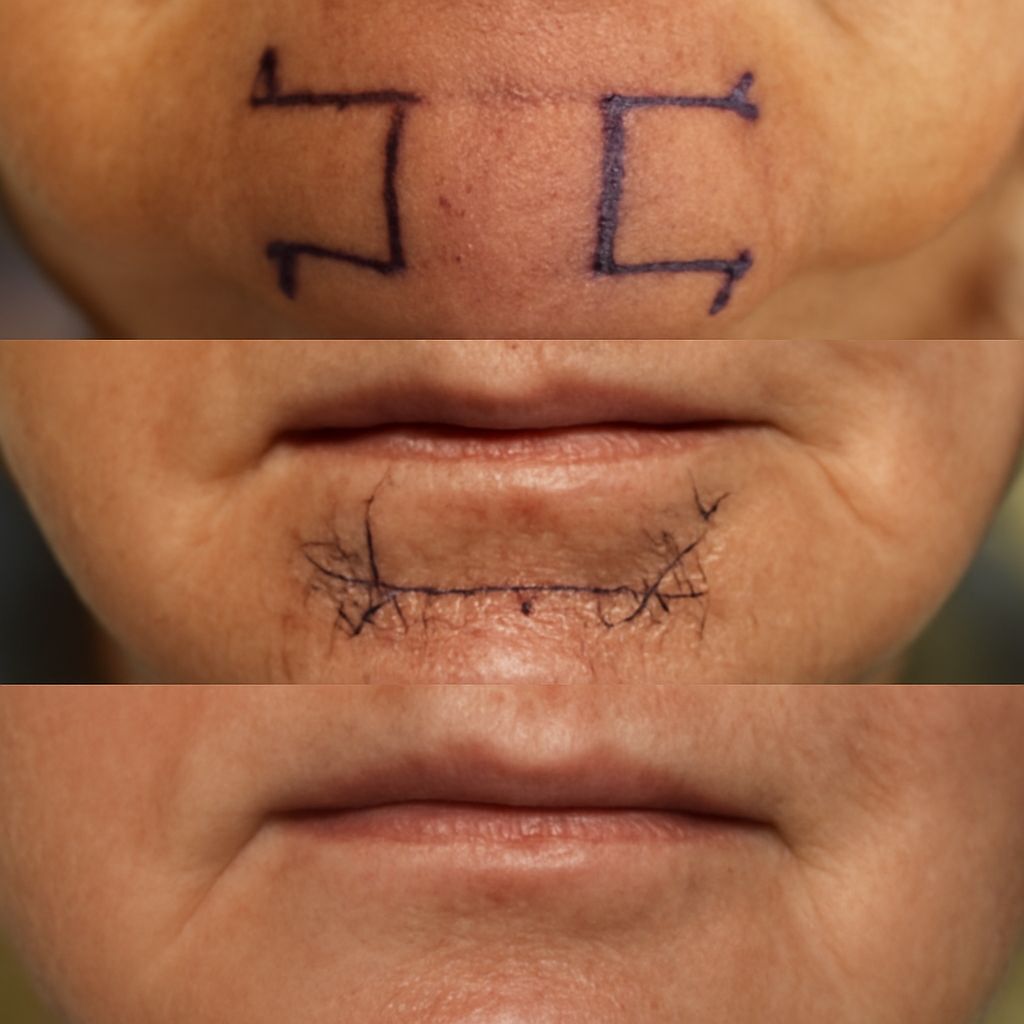
The recovery process after Mohs surgery is relatively straightforward but requires careful aftercare to optimize healing and minimize scarring. Immediately after the surgery, it’s crucial to keep the wound clean and covered. Your surgeon will provide specific instructions on how to care for the wound, which typically include changing bandages, applying prescribed ointments, and monitoring the site for signs of infection.
Most patients can return to regular activities within a few days, although strenuous activities may need to be avoided for a little longer. Follow-up appointments are essential to ensure proper healing and to address any concerns. The healing process is gradual, with scars typically fading over time, resulting in minimal cosmetic impact.
Frequently Asked Questions About Mohs Surgery
- How long does the Mohs surgery take? The duration varies depending on the complexity and extent of the cancer. Each stage takes about 30-60 minutes, with multiple stages often required.
- Will there be pain during the procedure? Local anesthesia ensures that the procedure is pain-free, although some discomfort might be felt during tissue removal.
- What are the risks associated with Mohs surgery? While generally safe, risks include bleeding, infection, and in rare cases, nerve damage. Your surgeon will discuss these with you prior to the procedure.
Safety Recap: Mohs surgery, especially when performed on the face, requires adherence to aftercare instructions to ensure optimal healing and minimal scarring. It’s essential to follow your surgeon’s guidelines closely and attend all follow-up appointments to monitor the recovery process effectively.