Best Hangover Food: What to Eat When Hungover
You awaken to the soft glow of morning light filtering through the curtains, but your head feels like it’s been used as a drum. Memories of last night’s revelry are hazy, but the one clear fact is the pounding headache reminding you of a less-than-stellar decision. As you struggle to find solace, a question arises: what should you eat when hungover? The good news is that understanding the best hangover food can significantly ease your symptoms and get you back on your feet faster.
Whether it’s a greasy breakfast or a light snack, knowing the right hangover foods to consume can make all the difference. You might find yourself reaching for those classic comfort foods or wondering if there’s a more scientific approach to tackle your current condition. Let’s delve into the essentials of good hangover food, so you’re prepared the next time a night out leaves you feeling worse for wear.
Understanding the Impact of Hangovers
Hangovers affect everyone differently, but the core symptoms are familiar: headaches, fatigue, nausea, and dehydration. These unpleasant effects are primarily due to alcohol’s impact on your body, including dehydration, electrolyte imbalance, and the presence of toxins like acetaldehyde. This means that consuming adequate fluids and nutrients is crucial for recovery.
Why Nutrition Matters When You’re Hungover
When you’re dealing with a hangover, nutrition plays a pivotal role in your recovery process. The body needs essential nutrients like vitamins, minerals, and electrolytes to restore balance. Furthermore, alcohol can irritate the stomach lining and cause blood sugar levels to fluctuate, making you feel weak and hungry. Eating the right foods can help stabilize your blood sugar, replenish lost nutrients, and soothe your stomach, ultimately speeding up recovery.
Top Foods to Eat When Hungover
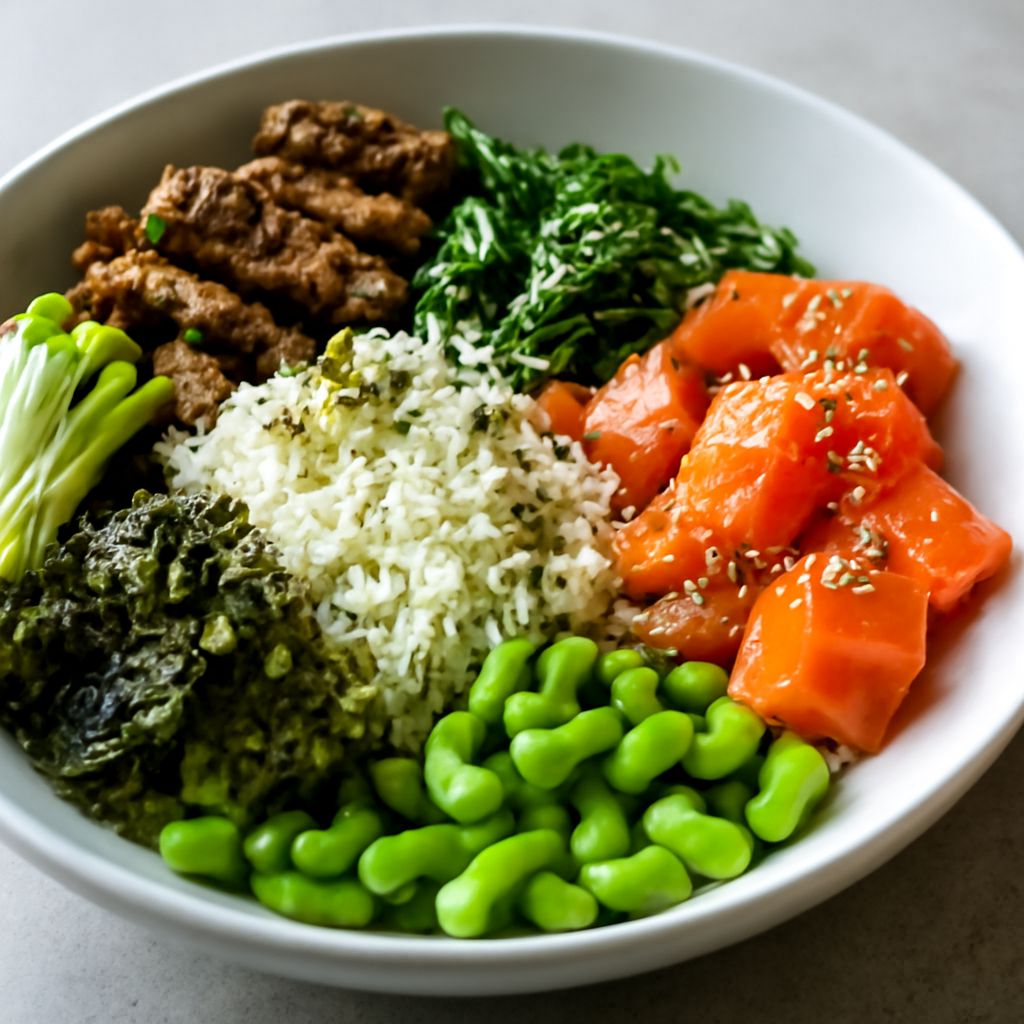
Some of the best foods to eat when hungover include those rich in carbohydrates, proteins, and healthy fats. For instance, eggs contain cysteine, which helps break down acetaldehyde, a byproduct of alcohol metabolism. Bananas, with their high potassium content, can help address electrolyte imbalances, while toast or crackers provide easy-to-digest carbohydrates that can settle your stomach.
Additionally, soups and broths are excellent choices since they are hydrating and often packed with nutrients. Chicken noodle soup, for example, is comforting and provides a balance of protein and carbohydrates. For a quicker fix, a fruit smoothie with yogurt offers vitamins and minerals, along with beneficial probiotics that can aid digestion.
The Science Behind Good Hangover Food
Eating food when you’re hungover isn’t just about personal preference; science supports certain choices. Foods high in antioxidants like fruits and vegetables can help reduce oxidative stress caused by alcohol consumption. Foods that are rich in amino acids, such as eggs and meat, can help in detoxifying the liver and speeding up recovery.
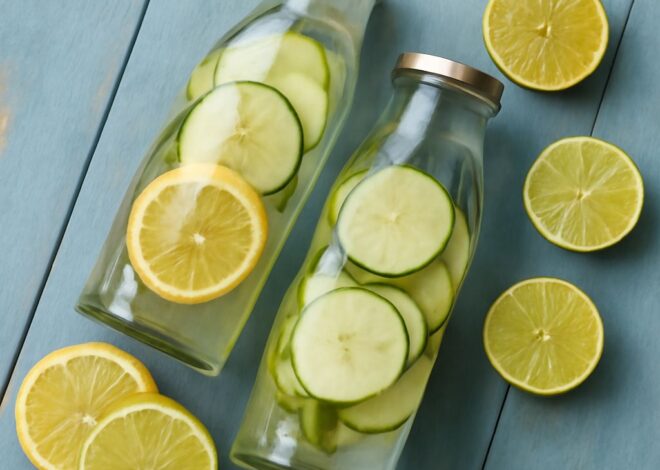
Moreover, the high water content in fruits and vegetables like watermelon and cucumbers can significantly assist in rehydrating the body. Ginger tea or ginger-infused foods can also combat nausea, thanks to ginger’s natural anti-emetic properties.
Quick and Easy Hangover Foods to Try
If you’re not up for preparing elaborate meals, there are simple hangover foods that can provide relief. A slice of toast with honey can offer quick energy and natural sugars. Oatmeal is another easy option that provides fiber to help stabilize blood sugar levels.
For an effortless approach, keep a stock of pre-made or instant options like miso soup packets. These are great for a quick, savory fix that is both soothing and rejuvenating. Similarly, nut butters on whole-grain bread can supply a satisfying mix of protein and carbs.
Tips for a Speedy Recovery
Recovering from a hangover doesn’t solely depend on food; other factors play a part too. Ensuring that you drink plenty of water is vital for rehydration. Consider sipping on electrolyte drinks or coconut water to replenish lost minerals. Rest is equally important – giving your body time to recover can make all the difference.
Try to avoid heavy or greasy foods that might further upset your stomach. Instead, focus on balanced meals that provide nutrients without adding stress to your digestive system. Lastly, don’t forget to listen to your body. If you feel sleepy, take the time to rest, as it can significantly impact how quickly you bounce back.
Safety Recap: If you’re experimenting with different hangover foods, always ensure they’re safe and suitable for your dietary needs. Some ingredients might require care, especially if they involve spices or allergens, so adjust according to what best supports your recovery.
Related Posts

Gelatin: Everything You Need to Know

Hangover Cure: Discover Effective Ways to Recover Quickly