Nutrition and Mental Health: What Can Food Change?
The idea that a particular diet can cure depression makes a complicated question sound simple. Food supports the body and brain, and research has found links between eating patterns and mental well-being. Studies of mental health in relation to nutrition also show why those links need careful interpretation: an association is not the same as proof that changing a meal will treat a disorder.
Mental health and nutrition: What studies can tell us
Observational studies ask what people eat and compare that information with their health over time or at a particular moment. They can reveal patterns worth investigating. But people whose diets differ may also differ in income, sleep, stress, access to care and many other circumstances. Depression itself can affect appetite, energy and the ability to shop or cook. These overlapping factors make cause and effect difficult to separate when studying diet and mental health.
Randomized trials take a different approach: participants are assigned by chance to different groups, and researchers compare outcomes. This can reduce some differences between groups. Still, trials vary in size, duration, the support offered and the people included. A result from one study of nutrition and mental health is a piece of evidence, not a guarantee of the same response for every person.
The distinction also matters for the outcome being measured. A questionnaire may record a change in symptoms, while a clinical diagnosis requires a broader assessment. Research about mental health and nutrition may examine depression, anxiety, general well-being or another outcome; a finding about one does not automatically apply to all the others.
One trial and what it found
The 2017 SMILES trial enrolled 67 adults with moderate to severe major depression and relatively poor diets. Researchers randomly assigned them to dietary support from a dietitian or to social support. The dietary group received guidance on a modified Mediterranean-style pattern, including vegetables, fruit, whole grains, legumes and other foods. Participants could continue their existing treatments for mental health while receiving nutrition support.
After 12 weeks, the dietary-support group showed a greater average improvement on a depression rating scale. The researchers reported remission on that scale in 10 of 31 assessed people in the dietary group and 2 of 25 assessed in the social-support group. Remission here refers to the trial’s score threshold, not a promise that symptoms will never return.
The finding is encouraging, but the study was small and short. Participants knew what kind of support they received, so expectations could have influenced results. Some people did not complete the final assessment, and dietitian contact was part of the intervention: the study cannot isolate a single food as the cause. It also cannot establish whether results last beyond the trial or apply to everyone with a mental disorder. The relationship between nutritional changes and mental health may differ across individuals.
A 2025 systematic review of randomized trials found no statistically significant effect of short-term Mediterranean dietary interventions on depression severity in its comparisons. Differences in studies and limited evidence make this a question for further research. Taken together, the findings on nutrition and mental health support curiosity and careful testing, not a universal food prescription.
Why the relationship is complicated
The brain needs energy and nutrients, but that fact alone does not establish that a particular menu treats a particular diagnosis. Food, sleep, movement, medications, stress and social conditions can interact. For example, low appetite can make regular meals difficult; financial pressure can affect both food choices and stress. A useful conversation about mental well-being and nutrition considers those circumstances instead of assigning blame.
Researchers studying mental health and nutrition also examine the gut and its communication with the brain. This is an active area of work, but a plausible pathway is not the same as a demonstrated treatment. Claims that one food or supplement reliably changes mood through the gut require evidence from well-designed human studies, including whether benefits last and who might experience them.
The nutrition mental health researchers study includes whole dietary patterns as well as individual nutrients. For personal advice, mental health professionals and registered dietitians can offer complementary perspectives. A clinician can assess symptoms and treatment options; a dietitian can help adapt meals to preferences, budget and medical needs. If food restriction or anxiety about eating is already a concern, individualized support matters more than adding strict rules.
Everyday steps that leave room for real life
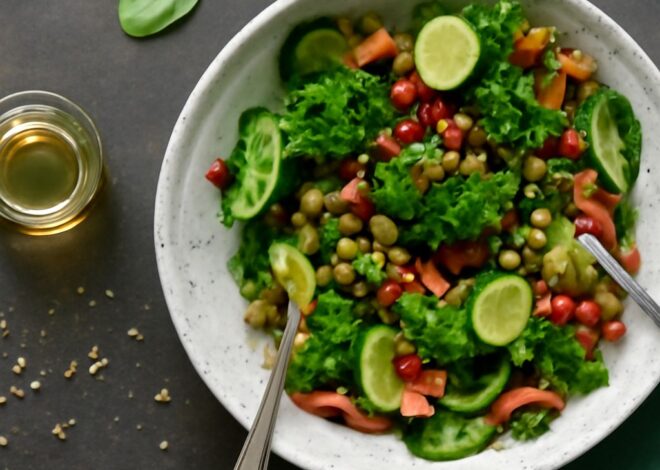
You do not need to reconstruct your entire diet at once. Start with a meal you already eat and add something accessible: frozen vegetables to rice and beans, fruit to yogurt, or canned fish with whole-grain toast. These choices bring a mix of food groups into a familiar routine. The connection between food and mental health is being studied at the level of broader eating patterns as well as individual nutrients.
If preparing meals feels difficult, keep a few low-effort options available, such as canned beans, microwaveable rice or nuts. Regular eating opportunities may be easier to manage than waiting until you have the energy to cook a full meal. If appetite or access to food remains a problem, tell a health professional so the plan can address the obstacle. Practical nutrition support for mental health can begin with solving that immediate problem.
Be cautious with supplements marketed for mood. Products and doses differ, and some can interact with medicines. Discuss a proposed supplement with a clinician or pharmacist, particularly if you take medication or have a health condition. Support for mental health through nutrition should fit alongside the care and resources available to you.
Can diet replace treatment?
No. Changes in eating may be one part of a broader plan, but they do not replace treatment for a mental disorder. The National Institute of Mental Health describes psychotherapy, medication or both as common treatments for depression. If symptoms interfere with daily life, seek a professional assessment and discuss nutrition and mental health as part of your care; do not stop prescribed medication without the prescriber.