Ectopic Pregnancy Symptoms: What to Watch For and When to Seek Help
Imagine you’re in the early weeks of pregnancy. You notice some unexpected spotting and a sharp twinge low in your abdomen. You wonder if it’s normal, or if you should be concerned. Maybe you recall reading something about ectopic pregnancy symptoms and realize you don’t know what to look for, especially when it comes to signs of ectopic pregnancy at 4 weeks. You’ve heard about tubal pregnancy and the risks involved, but the early warning signs are confusing. Do you wait and hope these feelings pass, or is it time to seek help?
Understanding the difference between typical early pregnancy discomfort and the potentially life-threatening symptoms of an ectopic pregnancy can make all the difference. In this guide, we’ll walk you through the risks, common indicators, and what happens if an embryo implants outside the uterus. You’ll learn how to spot early signs, when to act, and what steps to take to protect your health.
Understanding Ectopic Pregnancy and Its Risks
An ectopic pregnancy occurs when a fertilized egg implants itself outside of the uterine cavity, most frequently within a fallopian tube. While rare—affecting roughly 1-2% of pregnancies—this condition is a medical emergency, as the growing embryo can’t survive and may threaten the mother’s life if untreated. Fallopian tubes aren’t designed to accommodate a developing pregnancy; as the tissue stretches, it can rupture, leading to internal bleeding and a swift drop in blood pressure.
Risk factors vary. You’re more likely to encounter an ectopic pregnancy if you have a history of pelvic inflammatory disease, prior abdominal or tubal surgery, endometriosis, or if you’ve undergone fertility treatments. Smoking, prior ectopic gestations, or using an intrauterine device at conception also increase vulnerability. However, up to half of all cases develop in women without any known risks.
The urgency of recognizing this condition can’t be overstated. A ruptured ectopic site can lead to life-threatening hemorrhage within minutes. Recognizing symptoms and seeking prompt care can allow for less invasive treatments—sometimes even preserving future fertility. Being aware of these dangers is the first step in self-advocacy and prompt action.
With the potential for rapid change, it’s vital to understand not just the likelihood, but also the specific dangers and why fast medical attention is crucial. Keep in mind that early detection and intervention can save lives and minimize complications.
Common Early Warning Signs You Shouldn’t Ignore
The earliest symptoms of ectopic pregnancy often mimic a typical pregnancy: missed periods, breast tenderness, and mild abdominal discomfort. However, there are distinct warning signs you should never ignore. Pain is usually the first clue. It may start as a dull ache on one side of the lower abdomen and become sharper over several hours or days. Occasionally, the discomfort moves to your shoulder, a sign that blood from a ruptured tube is irritating nerves near the diaphragm.
Vaginal bleeding is another frequent indicator, but it’s usually lighter or darker than a normal period and may come and go. You might notice spotting after a missed period, or a brownish discharge that doesn’t seem like typical menstrual flow. Many dismiss these as harmless, but together with pain, they warrant immediate attention.
Other symptoms can include dizziness, weakness, or feeling faint—especially when standing up. These may be early signals of internal bleeding, even before the pain becomes severe. Always trust your instincts if something feels different from your previous pregnancies or menstrual cycles.
If you’re experiencing any combination of these early-warning clues, don’t delay in contacting your healthcare provider. Timely evaluation can mean the difference between medical management and emergency surgery.
Recognizing the Signs of Ectopic Pregnancy
Pain and Discomfort
When it comes to identifying ectopic pregnancies, abdominal pain is the most consistent marker. This ache might be localized to one side, or you may feel it radiate across your lower abdomen. The pain often starts mild, but with progression, it can intensify to sharp, stabbing sensations. Some people also report rectal pressure or a frequent urge to have a bowel movement, caused by blood pooling in the pelvis.
Shoulder-tip pain is a classic, though less common, sign. It occurs from internal bleeding, which irritates the phrenic nerve at the diaphragm, creating a referred pain felt at the top of the shoulder. This sign can be misleading, so always mention it to your provider if you notice it alongside other symptoms.
Unusual Bleeding
Unlike a typical period, bleeding associated with an ectopic event is usually lighter, may be continuous, or can appear as intermittent spotting. The color is often rusty or dark brown, which sets it apart from the bright red of regular menstruation. You might also experience clots or tissue passage, but without the volume of a normal cycle.
Persistent spotting—especially after a positive pregnancy test—should prompt a call to your OB-GYN or midwife. If bleeding is accompanied by pain, weakness, or fainting, seek emergency care right away. These symptoms can develop over hours or days, so monitoring any changes is crucial.
What Are the Signs of Ectopic Pregnancy at 4 Weeks?
At the 4-week mark, distinguishing early signs of ectopic pregnancy from normal pregnancy symptoms can be tricky. Many individuals don’t even realize they’re pregnant at this stage, since symptoms overlap with premenstrual syndrome. However, subtle clues often emerge. For example, if you notice mild pelvic cramping or persistent one-sided pain soon after a missed period, pay close attention to its intensity and pattern.
Light vaginal bleeding or spotting is often the first outward indicator. This can occur just before or around the expected time of your period. Unlike standard implantation bleeding, which is brief and light, spotting from an ectopic process might linger or fluctuate in color. In rare cases, you might also feel queasy or lightheaded after standing, hinting at slow internal blood loss.
Regular home pregnancy tests may still show positive results, but hormone levels (hCG) typically rise more slowly in ectopic cases. If you experience pelvic discomfort or irregular bleeding within the first month of suspected pregnancy, ask your doctor for a quantitative blood test and an ultrasound. Early detection at four weeks can allow for medical treatment, potentially avoiding surgical intervention and safeguarding your reproductive health.
Tubal Pregnancy—Symptoms, Causes, and Next Steps
Most ectopic pregnancies occur within the fallopian tubes, often termed “tubal pregnancy.” The typical symptoms—sharp lower abdominal pain, abnormal bleeding, and faintness—are linked to the tube’s inability to stretch for the developing embryo. As the pregnancy grows, the risk of rupture increases, usually between 6 and 10 weeks, but symptoms may arise much earlier if the tube is narrow or scarred.
Causes are often related to prior infections (such as chlamydia), scarring from surgery, or congenital abnormalities in the tube. Even a minor tubal abnormality can prevent normal embryo migration to the uterus. Sometimes, the cause remains unknown, underscoring the need for broad awareness of symptoms regardless of history.
If a tubal implantation is suspected, urgent medical evaluation is essential. Treatment depends on how early the condition is found. Medications like methotrexate can halt the pregnancy and allow the body to absorb the tissue if caught before rupture. If bleeding or rupture occurs, surgical intervention—often via laparoscopy—becomes necessary to remove the ectopic tissue and stabilize the patient.
After treatment, your provider will monitor hCG levels to confirm resolution. Recovery can take several weeks, with activity restrictions and careful follow-up. Emotional support is also critical, as the experience can be physically and psychologically taxing.
When to See a Doctor and What to Expect
Contact your healthcare provider right away if you experience unexplained pelvic pain, abnormal vaginal bleeding, or any of the other symptoms mentioned above—especially if you have risk factors. If you develop severe abdominal pain, dizziness, fainting, or shoulder pain, go to the emergency room immediately; these may indicate significant internal bleeding.
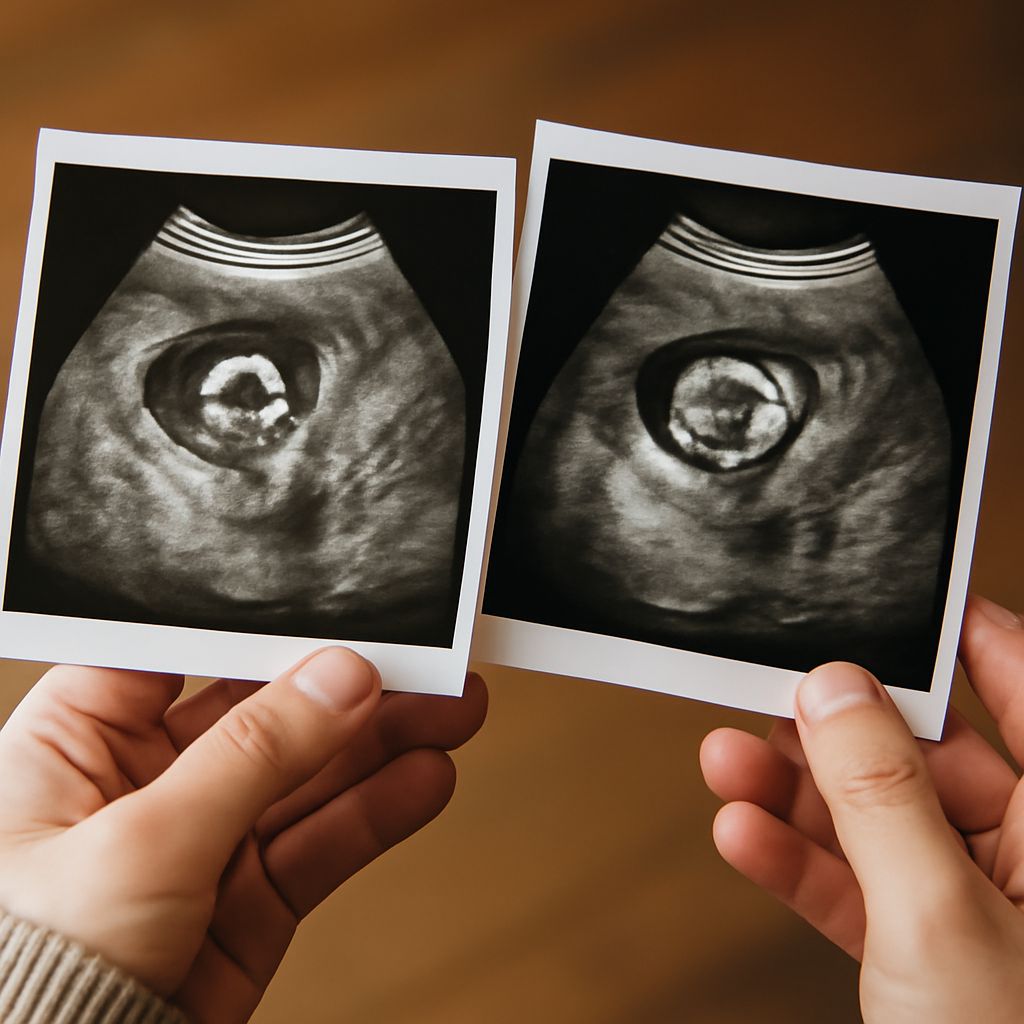
At the clinic or hospital, you can expect a pelvic exam, blood tests to measure hCG levels, and an ultrasound to locate the pregnancy. Early gestational sacs may not always be visible, so serial bloodwork helps track hormone trends. Rapid changes or falling hCG levels often signal trouble. The staff will explain your options and next steps based on their findings.
Afterward, you may need regular follow-up appointments to ensure the pregnancy has resolved, whether managed medically or surgically. Your provider will also discuss future pregnancy planning and any additional testing if you have underlying conditions contributing to the ectopic event.
It’s natural to feel anxious or uncertain, but prompt attention and clear communication with your care team are key to protecting your health and fertility for the future.
Next steps: If you suspect any of these symptoms, don’t wait—contact your provider or visit urgent care. Keep a symptom diary, note any changes, and follow up on all recommended ultrasounds or blood tests. Understanding your own body and acting quickly can be lifesaving and help preserve your reproductive options.
Related Posts

DOMS Meaning: Understanding Sore Muscles After Workout

Understanding Alkaline Phosphatase Low Levels