Is My Cat Fat? How to Tell and What to Do
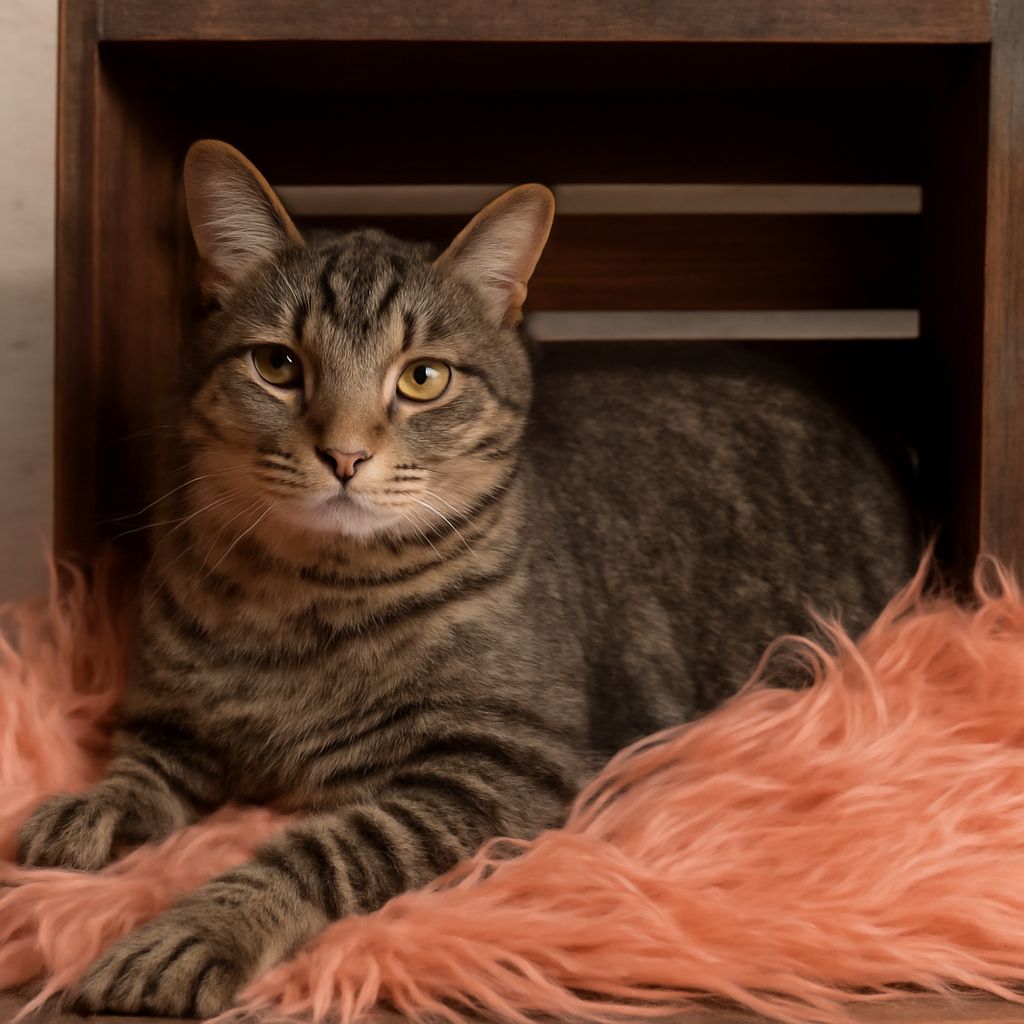
You look at your cat lounging on the couch and wonder — is my cat fat, or just fluffy? The distinction matters because feline obesity is linked to diabetes, joint disease, urinary problems, and a significantly shorter lifespan. How to tell if your cat is fat isn’t a matter of guessing by appearance alone; cats carry weight differently depending on breed, bone structure, and coat type. Is my cat too fat is a question worth answering with actual physical checks rather than just looking at them from across the room. If my cat is getting fat over a period of months, early intervention is far easier than reversing established obesity.
This guide walks through the clinical body condition score system, how to perform at-home checks, and what to do if my cat is too fat for her current lifestyle.
The Body Condition Score: The Gold Standard for Cat Weight
Veterinarians use a 1–9 body condition score (BCS) to assess feline weight, where 1 is severely emaciated and 9 is severely obese. A healthy cat scores 4–5. Here’s what to look and feel for:
- Ribs: You should be able to feel individual ribs easily without pressing hard, with a thin layer of fat covering them. If you have to press firmly to find them, your cat is overweight. If you can’t feel them at all, she’s obese (BCS 7–9).
- Waist: View from above. A healthy cat has a visible waist behind the ribs. An overweight cat’s waist is absent or barely visible; an obese cat’s back may look flat or convex from above.
- Belly: From the side, the abdomen should tuck slightly upward from the ribcage toward the hindquarters. A fat belly that sags downward (abdominal fat pad) indicates excess weight.
How to Tell If Your Cat Is Fat Without a Vet Visit
Place both thumbs on your cat’s spine with fingers spread over the ribcage. If you can run your fingers along the ribs with minimal resistance, weight is likely appropriate. If the ribs feel buried under a thick layer of tissue, the cat is overweight. Also check for the presence of a large, pendulous fat pad at the belly — this is a reliable visual indicator even in long-haired cats if you part the fur and look directly at the skin surface.
Why Cats Get Fat
The most common causes of feline weight gain are straightforward: free-fed dry food (kibble left available all day allows cats to graze well past their caloric needs), reduced activity in exclusively indoor cats, and spay/neuter surgery, which reduces metabolic rate by approximately 20–25%. Senior cats (over 10 years) also experience muscle loss, which can lower calorie requirements further.
What to Do If My Cat Is Getting Fat
Do not cut food suddenly or dramatically — cats who lose weight too rapidly are at high risk for hepatic lipidosis (fatty liver disease), which can be life-threatening. The target weight loss rate for cats is 1–2% of body weight per week. For a 14-lb cat, that’s 0.14–0.28 lb per week.
Switch from free-feeding to measured meals: two to three measured portions per day based on the food’s feeding guidelines for your cat’s target weight, not their current weight. A veterinary consultation to confirm target weight is worthwhile before starting a structured weight loss plan.
Food Changes That Help
High-protein wet food (at least 40% protein on a dry matter basis) with fewer carbohydrates than standard dry kibble helps overweight cats lose weight while maintaining lean mass. Wet food also increases water intake, which benefits urinary health — a common secondary concern in overweight cats. Treats should not exceed 10% of total daily caloric intake.
Pro tips recap: Assess your cat’s body condition by feel, not just appearance — thick coats mask weight in both directions. Aim for gradual weight loss at 1–2% of body weight per week to avoid hepatic lipidosis risk. Switching to measured wet food meals is the single most effective dietary change for a cat who is getting fat.
Related Posts
Lipedema or Just Fat: Understanding the Difference

Kung Hee Fat Choy: Exploring Nutrition and Fitness