Low Carb High Fat: How LCHF Eating Works and What to Eat
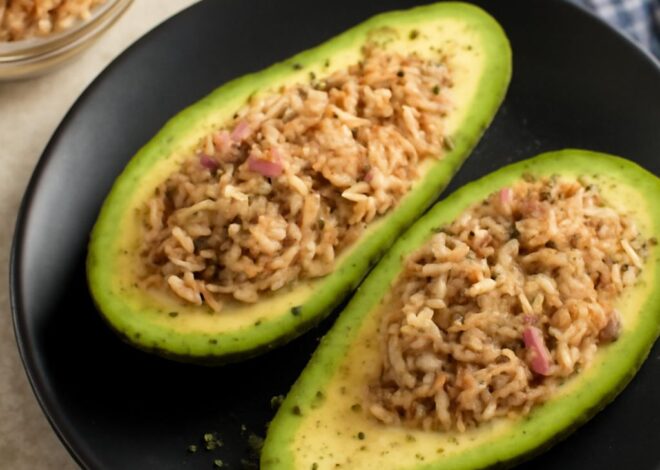
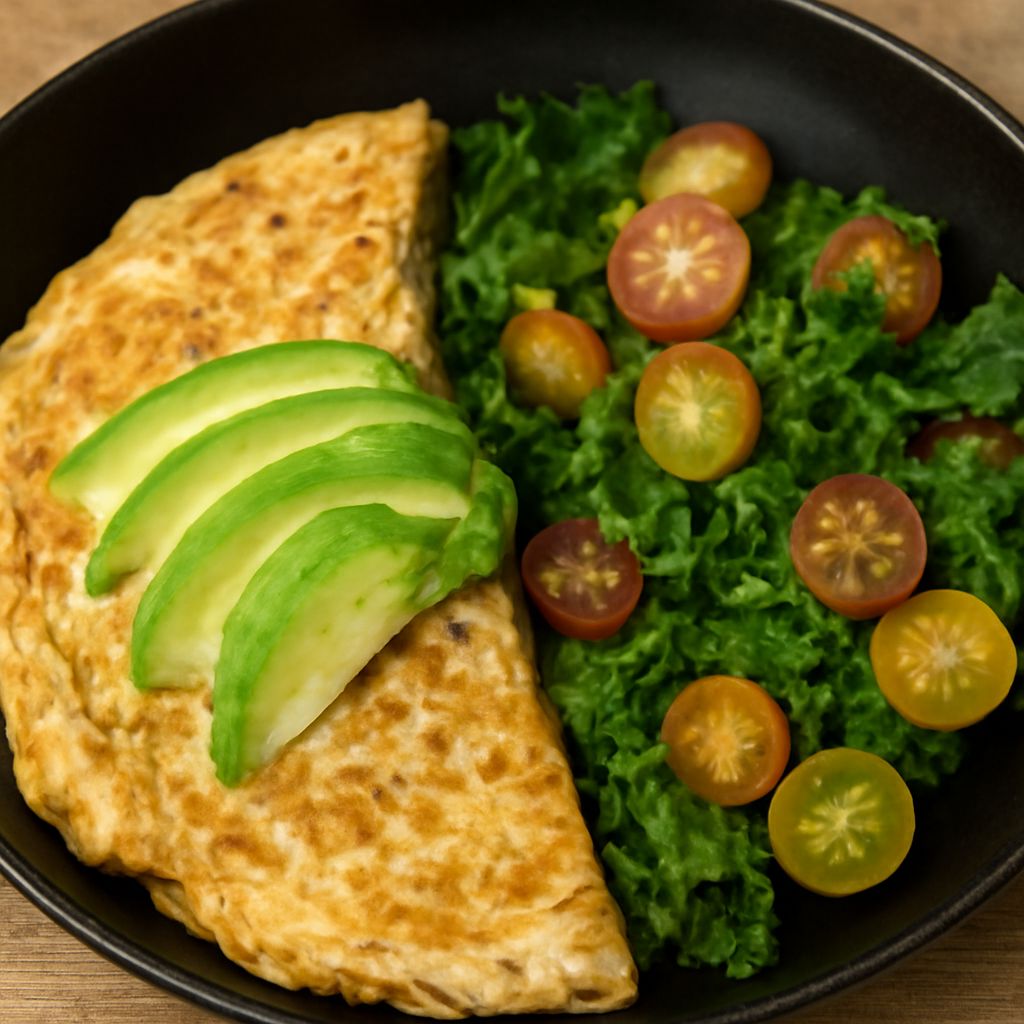
Low carb high fat eating has been around long enough to accumulate solid research, a large community, and enough meal variety that it no longer means eating plain chicken and cheese forever. High fat low carb meals prioritize fat as the primary fuel source, restrict carbohydrates to below 50 grams daily (often below 20 for strict ketogenic), and keep protein moderate. Low carb high fat meals work by shifting your body into a metabolic state where fat, not glucose, becomes the dominant energy source. High fat recipes within this framework include everything from avocado-egg bowls to slow-braised short ribs to full-fat Greek yogurt parfaits with berries. High fat low carb recipes don’t require specialty ingredients—most are built around foods already available in any grocery store.
How LCHF eating works metabolically
When carbohydrate intake drops below roughly 50 grams per day, glycogen stores in the liver and muscles deplete within 24 to 48 hours. The body then shifts to producing ketone bodies from fat for fuel—a state called ketosis. In ketosis, fat oxidation increases significantly both from dietary fat and from stored body fat. Insulin levels drop substantially, which reduces fat storage signaling. Appetite often decreases as a side effect of elevated ketones, which may explain why many people find low carb high fat diets easier to maintain than calorie-restricted higher-carb approaches.
What to eat on LCHF
The foundation of high fat low carb meals: meats (beef, pork, lamb, poultry with skin on), fatty fish (salmon, mackerel, sardines), eggs, full-fat dairy (butter, heavy cream, aged cheeses), avocados, olives and olive oil, coconut oil, nuts and nut butters (macadamia, almonds, walnuts—not cashews, which are higher in carbs), and non-starchy vegetables (leafy greens, broccoli, cauliflower, zucchini, asparagus). Foods to avoid: bread, pasta, rice, potatoes, most fruit, sugar, and most packaged snack foods.
Sample high fat low carb recipes
Breakfast: Three-egg scramble with two strips of bacon, sauteed in butter with a handful of spinach and two tablespoons of shredded cheddar. Approximately 450 calories, 3g net carbs, 35g fat, 28g protein.
Lunch: Romaine salad with grilled salmon (5 oz), sliced avocado, cucumber, olive oil and lemon dressing. Approximately 550 calories, 5g net carbs, 40g fat, 38g protein.
Dinner: Beef short ribs braised in bone broth for 4 hours, served with roasted cauliflower mashed with butter and cream. Approximately 700 calories, 6g net carbs, 52g fat, 45g protein.
Daily total: approximately 1,700 calories, 14g net carbs.
Transitioning to LCHF
The first week of low carb high fat eating often brings what’s commonly called the “keto flu”—fatigue, headache, and brain fog as the body adapts to using fat for fuel and electrolytes shift. Sodium, potassium, and magnesium deplete faster on LCHF because insulin reduction causes increased kidney excretion of these minerals. Supplementing with electrolytes (bouillon or salt water, potassium from leafy greens, magnesium glycinate at 200 to 400mg daily) dramatically reduces or eliminates adaptation symptoms. Symptoms typically resolve within three to seven days.
Who benefits most from LCHF
Research consistently shows LCHF produces superior short-term fat loss and metabolic improvements—particularly for fasting insulin, triglycerides, and HDL cholesterol—compared to low-fat diets. It works especially well for people with insulin resistance, type 2 diabetes, or metabolic syndrome. For endurance athletes, adaptation takes four to eight weeks before fat-burning capacity matches glycogen-based performance. High-intensity power athletes (sprinters, weightlifters) may find higher-carb approaches better suited to their anaerobic energy demands. LCHF is a tool with a specific metabolic mechanism—it’s not universally superior, but for the right person it produces significant, measurable improvements.
Safety recap: Consult a physician before starting LCHF if you take medications for diabetes or blood pressure, as both may need adjustment within weeks of starting the diet due to rapid improvements in blood sugar and fluid balance.