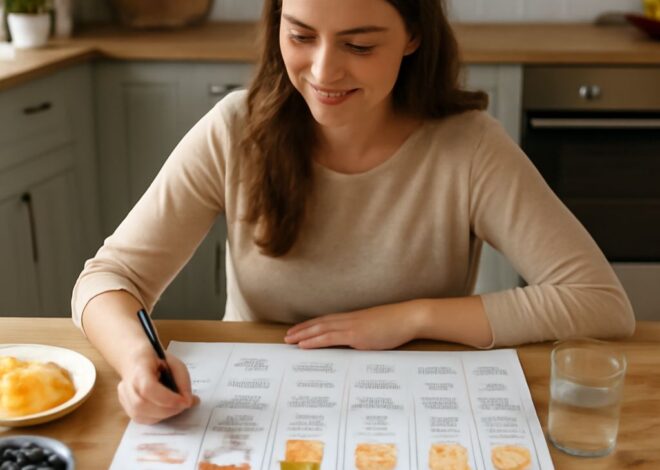
1200 Calorie Diabetic Diet: A Complete Meal Plan and Exchange Guide
You’ve been diagnosed with type 2 diabetes or prediabetes and your healthcare provider has recommended a 1200 calorie diabetic diet to support weight loss and blood sugar management simultaneously. This calorie level is typically prescribed for smaller-framed women and for people who are largely sedentary, as it creates a meaningful calorie deficit without dropping so low as to cause muscle loss or nutritional deficiencies. A well-structured 1200 calorie diabetic meal plan keeps total carbohydrates between 130–160 grams daily, distributed across 3 meals and 1–2 snacks to prevent blood glucose spikes and crashes.
The diabetic exchange list for 1200 calorie diet offers a structured system for swapping equivalent portions of food within the same food group without recounting carbohydrates every time. A 1200 calorie diabetic exchange diet typically assigns 3–4 starch exchanges, 3–4 lean protein exchanges, 2–3 vegetable exchanges, 2 fruit exchanges, 2–3 fat exchanges, and 2 milk/dairy exchanges per day. Understanding how to use the exchange system makes the 1200 calorie diabetic diet plan far more flexible in practice than a rigid meal script.
Understanding the Diabetic Exchange List for 1200 Calorie Diet
The exchange system groups foods by their macronutrient content. One starch exchange = 15g carbs, 3g protein, 0–1g fat, 80 calories. Examples: 1/3 cup cooked rice, 1 small potato, 1/2 cup cooked oatmeal, 1 slice of bread. One lean protein exchange = 0g carbs, 7g protein, 3g fat, 55 calories. Examples: 1 oz chicken breast, 1 oz tuna, 1/4 cup cottage cheese, 1 egg.
One vegetable exchange = 5g carbs, 2g protein, 25 calories. Examples: 1/2 cup cooked broccoli, 1 cup raw spinach, 1/2 cup cooked carrots. One fruit exchange = 15g carbs, 60 calories. Examples: 1 small apple, 1/2 banana, 3/4 cup blueberries. One fat exchange = 5g fat, 45 calories. Examples: 1 teaspoon olive oil, 1/8 medium avocado, 6 almonds. Using this chart, you can build any meal in your 1200 calorie diabetic exchange diet by selecting the right number of exchanges per food group.
1200 Calorie Diabetic Meal Plan: A Full Day Example
Breakfast (300 calories): 1/2 cup cooked steel-cut oats (1 starch exchange), 1/2 cup blueberries (1 fruit exchange), 1 cup non-fat plain Greek yogurt (1 milk exchange + 1 lean protein), 1 teaspoon almond butter (1 fat exchange). Total: 300 calories, 38g carbs, 20g protein, 6g fat.
Lunch (350 calories): 3 oz grilled chicken breast (3 lean protein exchanges), 2 cups mixed greens (2 vegetable exchanges), 1 cup cherry tomatoes and cucumber (1 vegetable exchange), 1/3 cup cooked quinoa (1 starch exchange), 2 teaspoons olive oil and vinegar dressing (2 fat exchanges). Total: 350 calories, 28g carbs, 26g protein, 12g fat. Dinner (400 calories): 4 oz baked salmon (4 lean protein exchanges), 1/2 cup roasted sweet potato (1 starch exchange), 2 cups steamed broccoli and cauliflower (2 vegetable exchanges), 1 teaspoon olive oil for cooking (1 fat exchange). Total: 400 calories, 32g carbs, 34g protein, 10g fat. Snack (150 calories): 1 small apple (1 fruit exchange) + 1 oz reduced-fat cheese (1 lean protein exchange).
Adjusting the 1200 Calorie Diabetic Diet Plan for Blood Sugar Control
The timing of carbohydrate intake matters as much as the amount for blood sugar management. Spreading carbs evenly across 3–5 eating occasions prevents the large glucose loads that produce dangerous spikes. A general target for most type 2 diabetics on a 1200 calorie plan is 30–45 grams of carbohydrate per main meal and 15–20 grams per snack.
Pairing carbohydrates with protein and fat at every meal slows glucose absorption significantly. A plain apple eaten alone raises blood sugar faster than an apple eaten with 1 oz of cheese. This pairing principle is built into the exchange system already — the diabetic exchange list for 1200 calorie diet includes fat and protein allocations precisely because researchers found that pairing these macronutrients reduces glycemic response by 20–30% compared to carbohydrate-only snacks and meals.
Foods to Emphasize on a 1200 Calorie Diabetic Exchange Diet
Non-starchy vegetables are the foundation. They contribute fiber, vitamins, and micronutrients at very low calorie and carbohydrate cost. Fill half your plate at each meal with non-starchy vegetables before adding starch and protein portions. Lean proteins (fish, chicken breast, egg whites, legumes) preserve muscle mass during calorie restriction while providing virtually no glycemic impact. High-fiber starch choices — oats, legumes, sweet potato, and whole grain bread — raise blood sugar more slowly than refined starches and keep you full longer per exchange.
Limit highly processed starch exchanges like white bread, instant rice, and breakfast cereals that have been stripped of fiber. Two starch exchanges of instant oatmeal versus steel-cut oats have the same calorie count but very different glucose response curves. Within the diabetic exchange system, always preferring the highest-fiber version of any starch exchange produces better blood sugar outcomes without any calorie recalculation needed.
Bottom Line
A 1200 calorie diabetic diet structured around the exchange list provides enough flexibility to eat satisfying, varied meals while keeping carbohydrates consistently distributed throughout the day. Following the diabetic exchange list for 1200 calorie diet consistently produces both weight loss and improved blood sugar management in most type 2 diabetic patients. Always review your meal plan with a registered dietitian who specializes in diabetes management, as individual medication regimens may require adjustments to carb targets and meal timing.