Fat Bike for Sale: How to Choose Between Carbon Fat Bikes and Finding the Lightest Option
You’re ready to buy a fat bicycle and the market has expanded dramatically in the past decade from a niche winter cycling tool to a year-round adventure platform. The first question when searching fat bike for sale listings is whether you need an aluminum frame, a carbon fat bike, or a steel build. Each material changes weight, ride feel, and price significantly. Budget aluminum fat bikes for sale start around $800, while a purpose-built carbon fat bike from brands like Salsa, Trek, or Specialized starts at $3,500 and can exceed $8,000. If weight is your priority, the lightest fat bike builds today push below 20 pounds, which was unthinkable a decade ago.
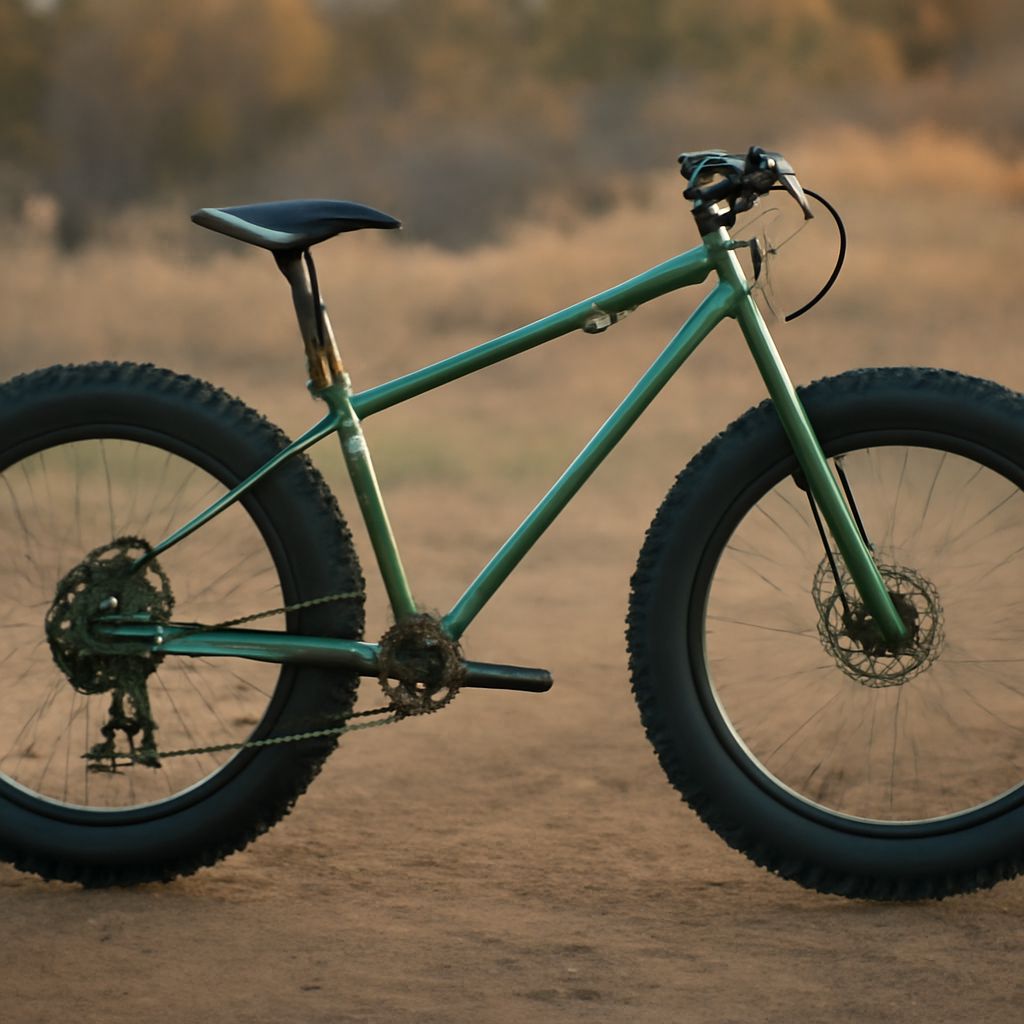
A fat bicycle is defined by its oversized tires, typically 3.8 to 5 inches wide, which run at very low pressures (3–10 psi) to float over snow, sand, mud, and loose rock. The wide footprint creates traction in conditions that would stop a standard mountain bike cold. When browsing fat bikes for sale, pay attention to tire clearance, bottom bracket drop, and axle spacing, as these determine which tires and wheelsets fit your frame.
Fat Bike for Sale: Price Ranges and What You Get
Entry-level ($700–$1,200): aluminum frame, Shimano Altus or Deore drivetrain, mechanical disc brakes, steel fork, non-tubeless-ready wheels. Good for casual trail riding and snow exploration. Representative models: Mongoose Argus, Framed Minnesota 2.0, Gravity FST 100.
Mid-range ($1,500–$3,000): aluminum frame with geometry improvements, hydraulic disc brakes, Shimano SLX or NX Eagle drivetrain, tubeless-compatible wheels, better tire selection. This tier suits riders who plan serious winter commuting or mixed-terrain touring. Representative models: Trek Roscoe 8, Kona Wo, Surly Wednesday.
High-end ($3,000–$8,000+): carbon fat bike or premium aluminum with carbon fork, 12-speed Eagle drivetrain, quality tubeless tires, dropper post. Models at this level include Salsa Mukluk Carbon, Trek Farley 9.8, Specialized Fatboy Pro. Carbon construction at this price tier saves 2–4 pounds compared to mid-range aluminum, which matters significantly on long climbs.
Carbon Fat Bike: Is It Worth the Premium?
A carbon fat bike frame typically weighs 1,100–1,400 grams compared to 1,600–2,200 grams for an equivalent aluminum fat bicycle frame. The weight savings translate to 1.5–3 pounds of total bike weight advantage. On flat terrain and at low speeds, this difference is modest. On climbs or during extended backcountry tours where you carry the bike, every pound saved compounds across hours of effort.
Carbon also dampens high-frequency vibration more effectively than aluminum, which makes a noticeable difference on rough frozen-lake riding and washboard dirt trails. The downside is repairability: a cracked carbon frame is typically write-off territory, while a cracked or dented aluminum fat bicycle can sometimes be welded and ridden again. For riders in remote winter terrain, this durability consideration is real. Most carbon fat bike riders mitigate this by choosing conservative lines and avoiding rock strikes on technical terrain.
Lightest Fat Bike Builds Available Today
The lightest fat bike builds achieve sub-20-pound complete weights using carbon frames, carbon forks, carbon wheels, and titanium hardware. Salsa Mukluk Carbon builds have been recorded at 19.8 lbs with upgraded components. Specialized S-Works Fatboy builds have achieved 21–22 lbs with stock components. Custom builds from boutique builders like Bikesmith Design or Otso Cycles can hit 19 lbs with full SRAM XX1 Eagle drivetrains and lightweight carbon Carbondale or Noguchi wheelsets.
For most riders, a 22–25 pound fat bicycle is the practical sweet spot. Below 22 pounds the component choices required start limiting durability for winter riding (lighter rims flex more under wide tires at low pressure, lighter drivetrains are more susceptible to ice and mud ingress). The lightest fat bike for winter trail riding that still holds up is typically in the 22–24 pound range with quality mid-range components.
Key Fat Bicycle Specs to Check Before Buying
Tire clearance determines your tire options. Look for frames spec’d to clear at least 4.6-inch tires for versatility across seasons. Bottom bracket drop affects handling: more drop (lower BB) = more stable at speed, less drop = better clearance on technical terrain. Most modern fat bicycle designs settle at 60–80mm of BB drop as a balance.
Axle standards matter for future wheel upgrades. Front 15x150mm and rear 197mm Boost fat bike axle spacing is now the most common standard. Older non-Boost frames (135mm front, 170mm rear) have a smaller wheelset selection available. If you plan to build up the lightest fat bike possible over time with aftermarket wheels, confirm your frame uses current Boost spacing before buying.
Where to Find Fat Bikes for Sale
New bikes: local bike shops, REI, and direct-to-consumer brands like Marin, Kona, and Priority ship bikes at significant savings. Used fat bikes for sale appear on Pinkbike’s buy/sell, The Pro’s Closet, Facebook Marketplace, and eBay. Used mid-range fat bikes in good condition regularly appear at 40–50% below retail, making a $2,000 used aluminum bike a more realistic option than a $3,500 carbon fat bike for new riders testing the discipline.
Next Steps
Identify your primary use case before looking at fat bikes for sale: snow commuting, winter trail riding, sand beach riding, or general adventure touring. Each use shapes the ideal tire width, gearing range, and frame geometry for your purchase. Test ride at least two fat bicycle models in different price tiers before committing, paying attention to how the handling feels on loose or slippery surfaces at the bike shop’s demonstration area.
Related Posts
Lipedema or Just Fat: Understanding the Difference

Kung Hee Fat Choy: Exploring Nutrition and Fitness