How to Make a Smoothie Bowl: A Complete Guide for Beginners
Imagine this: it’s a busy morning, and you want something quick, beautiful, and nourishing to start your day. You open your fridge, spot fresh fruit, creamy yogurt, and a bag of seeds you bought last week. The thought crosses your mind—could you whip up something more exciting than cereal? That’s when your eyes land on a photo online: a vibrant, colorful dish topped with berries and crunchy granola. This is your introduction to the world of smoothie bowls, and today is the perfect day to learn how to make a smoothie bowl yourself.
But what is a smoothie bowl, and how can you master this trendy dish at home? Whether you’re seeking easy meal prep solutions or exploring diet-friendly breakfast ideas, this guide will walk you through every step. You’ll discover core ingredients, learn to blend for the right texture, and find topping inspiration to make every bowl uniquely yours. Ready to turn your kitchen into a smoothie bowl haven?
What is a Smoothie Bowl and Why Should You Try One?
If you’ve ever wondered about the difference between a smoothie in a glass and those stunning bowls you see on social media, here’s what sets them apart. A smoothie bowl is essentially a thick, spoonable smoothie served in a bowl, designed to be eaten with toppings rather than sipped through a straw. The key feature is its creamy, dense texture—thicker than a typical drinkable smoothie—making it ideal for holding an array of colorful, flavorful additions.
The appeal of smoothie bowls goes beyond just their visual charm. Each bowl is a blank canvas for nutrient-rich ingredients, allowing you to balance fiber, protein, healthy fats, and natural sugars to suit your diet. This makes them an excellent choice for people looking to eat with intention, whether you’re fueling a workout, seeking a satisfying snack, or aiming for a lighter meal that doesn’t compromise on taste.
Another reason to try making smoothie bowls is their flexibility. You can easily adapt the base and toppings to accommodate vegan, gluten-free, or high-protein preferences. Plus, the process is simple enough for beginners, yet creative enough to stay interesting with every blend. Preparing a smoothie bowl helps you slow down, savor your meal, and enjoy a mindful eating experience—something that’s often missing from our rushed routines.
Essential Ingredients for the Perfect Smoothie Bowl
The foundation of any great smoothie bowl recipe is a blend of wholesome ingredients that deliver both nutrition and texture. For the base, start with a selection of frozen fruit—bananas are a favorite for their natural creaminess, but you might also use mangoes, berries, or pineapple. Freezing your fruit beforehand is crucial; it enables you to achieve that thick, ice-cream-like consistency that sets a bowl apart from a regular smoothie.
Next, you’ll need a liquid to help the blending process. Options include milk (dairy or plant-based varieties), coconut water, or even a splash of orange juice. Use a small amount at first—usually 1/4 to 1/2 cup—to avoid making your mixture too runny. If you’re experimenting with different diets, almond milk, oat milk, or soy milk are excellent choices for those avoiding lactose or seeking alternative flavors.
To boost the nutritional profile, add a spoonful of nut butter, Greek yogurt, or protein powder. These additions supply staying power and help regulate blood sugar levels. Green vegetables like spinach or kale can be blended in for extra vitamins, often without significantly altering the taste. Chia seeds, flaxseed, or hemp hearts can also be mixed into the base for a subtle crunch and added omega-3s.
Remember, the key is balance. Combine sweet fruits with ingredients that offer protein or fat to keep you satisfied, and adjust quantities so the mixture is thick enough to support toppings. Preparing your components ahead of time—such as slicing and freezing fruit—makes the process even faster on busy mornings.
How to Make a Smoothie Bowl: Step-by-Step Process
To create a smoothie bowl that’s both delicious and visually appealing, follow these straightforward steps. Armed with your chosen ingredients, start by assembling your frozen fruit in a high-speed blender or food processor. For most recipes, use about one to one-and-a-half cups of frozen produce.
Next, pour in your selected liquid gradually. Begin with less than you think you need—about 1/4 cup—then pulse or blend. Stop to scrape down the sides and continue blending until you reach a smooth but thick result. If your blender struggles, add small splashes of liquid at a time, blending between each addition. Aim for a dense, creamy texture that holds its shape when spooned into a bowl; this is a clear sign you’ve got the consistency right.
Once your base is blended, taste for sweetness and adjust as needed. You might add a squeeze of honey, a pitted date, or a little maple syrup if your fruit isn’t sweet enough. Pour the mixture into your favorite bowl, smoothing the top with a spatula for an even surface. This gives you a perfect canvas for decorating with toppings.
Keep in mind, practice makes perfect. You might need to experiment with the fruit-to-liquid ratio or blending times to suit your equipment. With each attempt, you’ll find what works best for your preferences and routine, making future prep quick and intuitive.
Topping Ideas to Take Your Smoothie Bowl to the Next Level
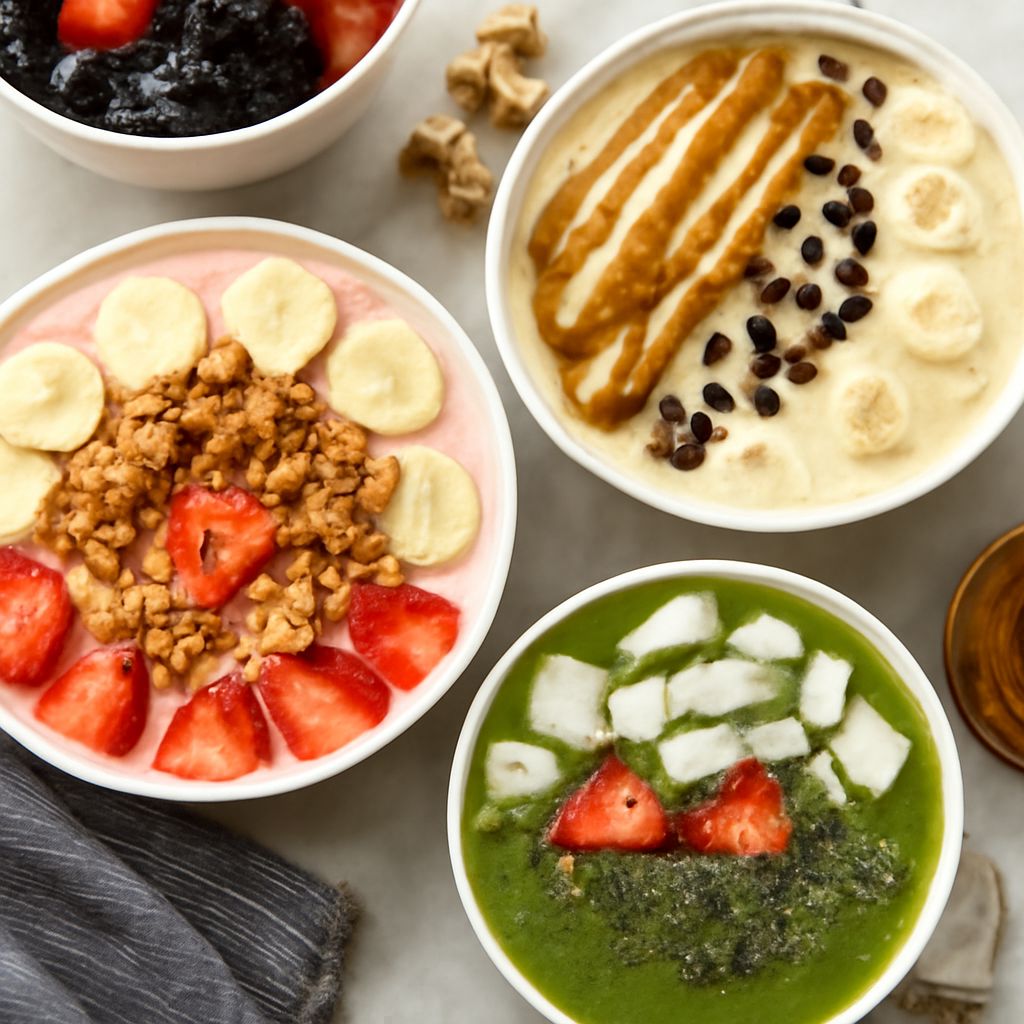
The toppings are where your creativity truly shines and where you can add a variety of textures, nutrients, and flavors. Fresh fruits—think sliced kiwi, strawberries, or blueberries—bring brightness and more natural sweetness. Diced mango, pomegranate seeds, or thin banana rounds are also popular, offering both color and burst of taste.
For crunch, sprinkle on granola, toasted coconut flakes, or cacao nibs. Seeds such as chia, flax, or pumpkin provide healthy fats and a satisfying bite. Nut butters can be drizzled in zigzag patterns or dolloped for added richness; peanut, almond, or sunflower seed butter each lend a unique flavor profile.
If you’re aiming for extra nutrition, include toppings like hemp hearts, bee pollen, spirulina powder, or crushed walnuts. Remember, the goal is to balance flavors and textures—combine juicy fruit with crispy granola, creamy yogurt swirls, and the pleasant snap of seeds. Arrange your toppings in stripes, clusters, or swirls for a visually appealing result that invites you to slow down and enjoy each spoonful.
Experiment by rotating different topping combinations each week to keep your breakfast routine exciting and to ensure a wide range of nutrients in your diet. Topping variety also makes smoothie bowls a fun, family-friendly meal where everyone can assemble their own combinations.
Smoothie Bowls for Meal Prep and Different Diets
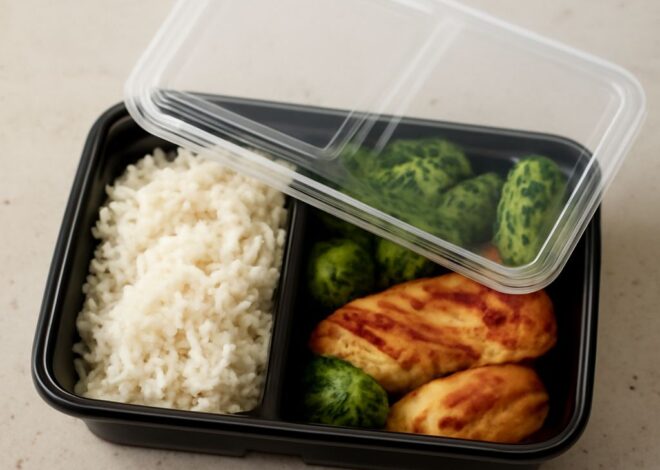
One of the advantages of making smoothie bowls is how easily they fit into diverse diet plans and meal prep routines. For those focusing on meal prepping, assemble freezer packs by portioning your chosen fruits and leafy greens into bags. When you’re ready, simply empty a pack into your blender, add your desired liquid and protein source, and blend for a speedy breakfast or snack.
Smoothie bowls can also be tailored for specific dietary needs. For a dairy-free or vegan option, use plant-based yogurts and milks, and add nut butters or pea protein for creaminess. Those following a high-protein diet can include Greek yogurt, protein powders, or silken tofu in their base. If you’re considering a lower-sugar approach, rely on berries and add greens instead of higher-sugar fruits like mango.
In terms of portion control and balanced nutrition, prepare individual containers with measured toppings and bases. This prevents overeating and ensures each bowl meets your personal macro or calorie goals. Don’t forget to rotate seasonal produce and toppings to keep your meals interesting and aligned with fresh, local ingredients.
Whether you’re prepping ahead for busy weekdays or customizing bowls for varied dietary goals, the method remains approachable and fun. With a bit of planning, you’ll find that smoothie bowls can be a staple meal—delicious, convenient, and endlessly adaptable.
Next steps: Try making your own smoothie bowl this week! Start by prepping your favorite frozen fruits tonight, then blend and experiment with different toppings in the morning. As you practice, note the texture and flavors that you enjoy most, and adjust your ingredients to fit your nutritional goals. Over time, you’ll build the confidence and skill to whip up a meal-prep-friendly, diet-appropriate smoothie bowl whenever you like.