Is Dark Chocolate Good for You?
Imagine yourself strolling through the aisles of a grocery store, scanning the shelves for a treat that feels indulgent yet isn’t entirely a guilty pleasure. Your eyes land on the glossy packaging of a dark chocolate bar. You’ve heard it might be good for you, but is dark chocolate healthy for you? This thought lingers as you debate adding it to your cart.
Dark chocolate’s rich texture might be a delightful addition to your diet, but understanding its nutritional content and health benefits can help you make informed choices. Let’s dive into the world of dark chocolate and explore whether it’s truly a healthy option.
Understanding Dark Chocolate
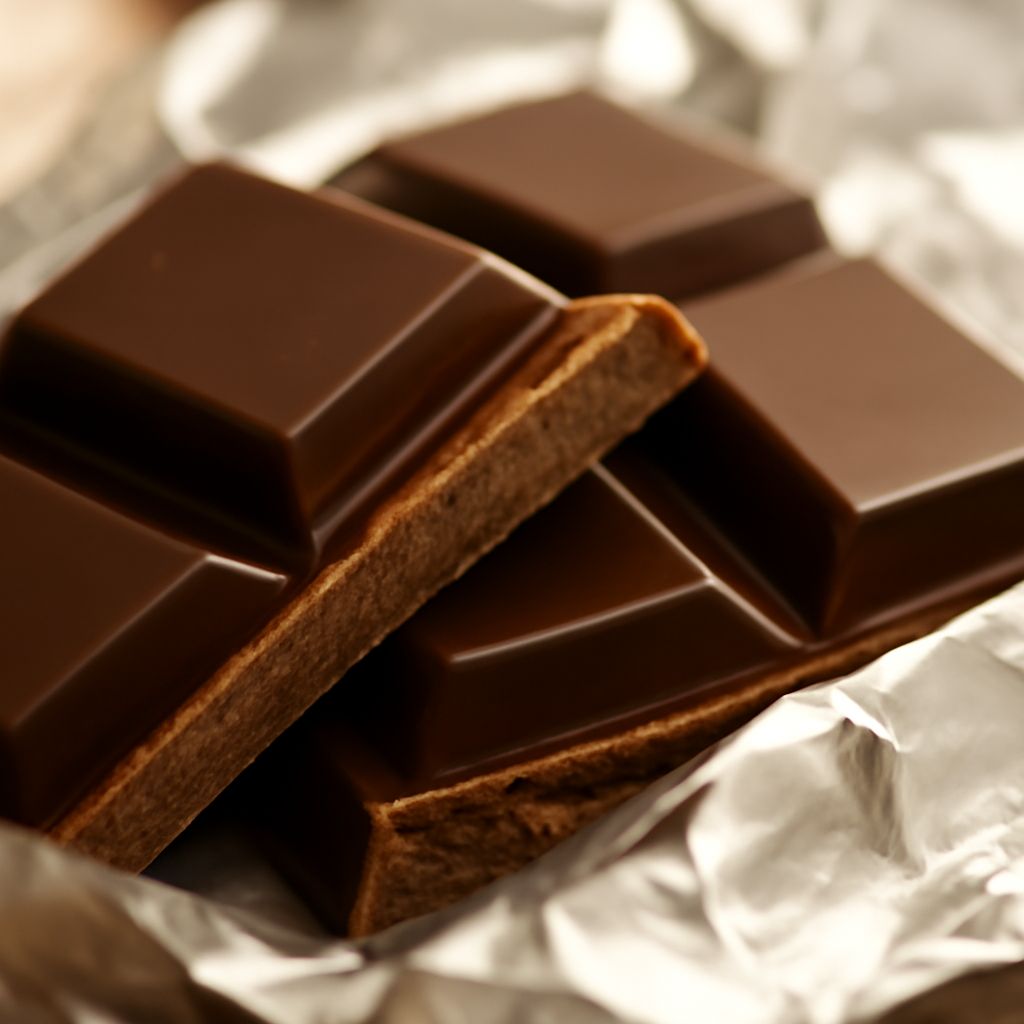
Dark chocolate is a form of chocolate that contains a higher percentage of cocoa solids and cocoa butter than milk chocolate, typically with little to no milk solids. It’s known for its deep, intense flavor, which is a result of the higher cocoa content. Ranging from 50% to over 90% cocoa, dark chocolate’s taste profile can vary significantly, offering both bitterness and sweetness.
The process begins with cocoa beans, which are fermented, dried, and roasted before being ground into cocoa mass. This mass is then combined with sugar and sometimes a small amount of vanilla to enhance the flavor. The absence of milk solids makes dark chocolate a dairy-free option, catering to those with lactose intolerance or dairy preferences.
Nutritional Breakdown of Dark Chocolate
A typical serving of dark chocolate contains a mix of macronutrients and micronutrients. With around 150-170 calories per ounce, it provides fats, carbohydrates, and a small amount of protein. The fat content is primarily healthy fats, including monounsaturated and polyunsaturated fatty acids, which can be beneficial when consumed in moderation.
Dark chocolate is also rich in minerals such as iron, magnesium, copper, and manganese. Additionally, it contains fiber, though not in significant amounts, contributing to digestive health. One of its standout features is the presence of antioxidants, particularly flavonoids, which have been linked to numerous health benefits.
Health Benefits of Dark Chocolate
Dark chocolate is celebrated for its potential health benefits, many of which stem from its high antioxidant content.
Rich in Antioxidants
The antioxidants in dark chocolate, mainly flavonoids, are comparable to those found in foods like berries and green tea. These compounds help combat oxidative stress, reducing the risk of chronic diseases. Studies have shown that consuming dark chocolate may improve overall antioxidant levels in the body.
Improves Heart Health
One of the more compelling benefits of dark chocolate is its positive impact on heart health. Regular consumption has been associated with reduced inflammation and lower blood pressure. The flavonoids in dark chocolate may enhance blood flow and decrease the risk of cardiovascular issues by improving endothelial function.
Boosts Brain Function
Dark chocolate might also play a role in enhancing cognitive function. The presence of caffeine and theobromine provides a mild stimulant effect, which could lead to improved concentration and alertness. Moreover, flavonoids may enhance memory and cognitive flexibility, potentially offering protection against age-related cognitive decline.
Potential Drawbacks to Consider
While dark chocolate offers notable benefits, it’s essential to acknowledge some potential downsides. Its caloric density means that overconsumption can lead to weight gain, negating some of its health benefits. Furthermore, dark chocolate contains sugar and caffeine, which could be a concern for those sensitive to these ingredients.
Another consideration is the presence of heavy metals such as cadmium and lead, occasionally found in chocolate. While generally below harmful levels, it’s wise to consume dark chocolate in moderation and choose reputable brands that adhere to strict safety standards.
How to Include Dark Chocolate in Your Diet
Incorporating dark chocolate into your diet can be enjoyable and straightforward. A small piece—roughly one to two ounces—can be a satisfying dessert or snack. Consider pairing it with fruits like strawberries or nuts for added nutritional value.
Dark chocolate can also be melted and drizzled over oatmeal or yogurt, enhancing both flavor and texture. For those who enjoy baking, using dark chocolate chunks in recipes can elevate the richness of cookies or cakes while providing some of its health benefits.
Conclusion: Is Dark Chocolate Healthy for You?
Dark chocolate can indeed be a healthy addition to your diet when enjoyed in moderation. Its rich antioxidant content offers several health benefits, from heart health to cognitive improvements. However, being mindful of portion sizes ensures you enjoy its positives without encountering potential drawbacks.
Key takeaways: Dark chocolate, with its robust antioxidant profile, can support heart and brain health when consumed sensibly. Enjoy it in moderation to balance its nutritional offerings with its caloric content.
Related Posts

Recipe Nutrition Calculator: From Ingredients to a Serving

Natural Diuretics: Your Guide to Healthy Choices