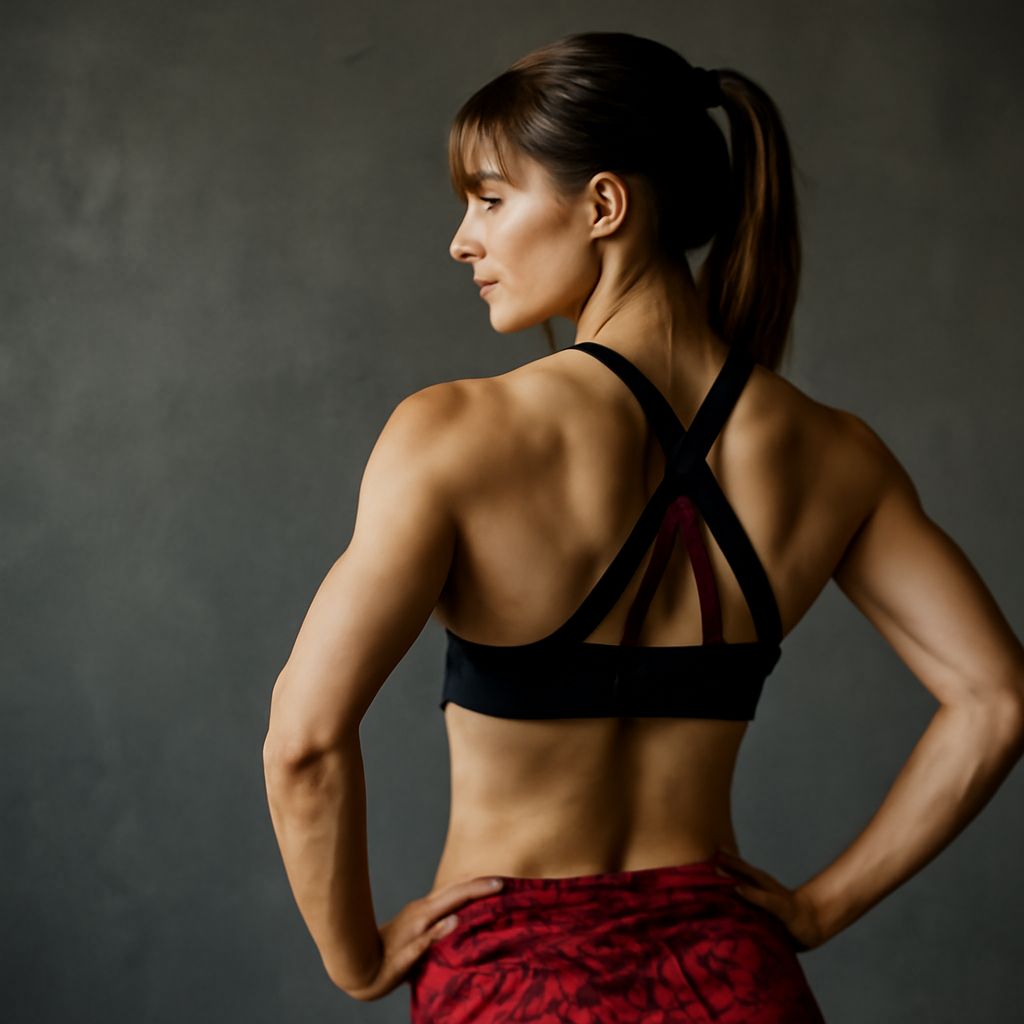
Bodyweight Exercises for Back Strength and Control
Can you train your back without weights or machines? Yes. Floor-based exercises using your body weight can challenge the muscles that support your spine and move your shoulder blades. A back workout using body weight can include bird dogs, prone arm lifts and bridges, with each movement adjusted to your current ability.
Bodyweight back workouts: What they can do
The back is a collection of muscles with different jobs. Some help hold the spine steady while an arm or leg moves; others extend the trunk or move the shoulder blades. A bodyweight back workout can combine exercises for these roles instead of trying to make every movement do the same thing.
Bodyweight exercises for back training can build control and endurance, especially when the movements are new. Work slowly enough to notice which muscles are doing the work. A gentle effort around the trunk, shoulders or hips is expected; sharp pain, numbness or pain spreading down a limb is a reason to stop and seek medical advice.
There is a practical limit. A row or pull-up loads the back as you pull against a bar, handle or another secure resistance. Without equipment or an anchor, arm movements in the air offer much less pulling resistance. They can still practice shoulder-blade movement, but they do not replace progressively loaded rows or pull-ups for someone seeking a stronger pull.
Start with a bird dog
Place your hands beneath your shoulders and knees beneath your hips. Gently brace your abdomen, then extend one leg behind you while reaching the opposite arm forward. Keep your hips facing the floor, pause briefly, and return with control. Alternate sides for five to eight repetitions per side.
You may feel your abdomen, back and glutes working to keep your trunk steady. The American Council on Exercise describes this movement as a way to practice stabilizing the lower back while the limbs move.
To make it easier, move only the leg or the arm, keeping the other three points on the floor. To make it harder, extend both limbs and hold each repetition for three to five seconds without twisting. The best bodyweight back exercises are the ones you can perform with that control; a higher leg is not necessary.
Practice a prone arm lift
Lie face down with your forehead near the floor and arms extended in a comfortable Y shape. Keep your legs resting on the floor. Gently lift your hands a small distance, drawing the shoulder blades toward the spine without shrugging. Lower slowly. Try six to ten repetitions, breathing throughout.
Expect a mild effort between the shoulder blades and around the shoulders. If the position feels awkward, bend your elbows or lift one arm at a time. To increase the challenge, pause for two seconds at the top or extend the arms farther forward while keeping the neck relaxed. In this back workout, the bodyweight exercise uses a small range; use the range you can control.
The best back exercises using body weight depend on the intended job. This lift gives the upper back a controlled movement, while the bird dog asks the trunk to stay steady. Neither supplies the resistance of a row, so avoid treating a burning sensation as proof that they are equivalent.
Add a glute bridge
Lie on your back with knees bent and feet flat, roughly hip-width apart. Tighten your abdomen and glutes, then lift your hips until your body forms a comfortable line from shoulders to knees. Pause and lower slowly. The Mayo Clinic guide describes the bridge as a core exercise. Start with six to ten repetitions.
You should feel the glutes and backs of the thighs working; the trunk helps hold position. If your lower back takes over, lift less high and press evenly through both feet. Make the movement easier with a shorter lift. For more challenge, pause at the top for three seconds while keeping the pelvis level.
The bridge is primarily a hip exercise, but it can complement a bodyweight workout for the back by training muscles that share the work of maintaining position. This makes it a useful companion to the bird dog rather than another pulling movement.
Put the movements together
Before bodyweight exercises for back strength, warm up with a few minutes of easy walking and gentle shoulder movement. Then complete one round of bird dogs, prone arm lifts and bridges. Rest as needed between exercises. If the exercises in this back workout using body weight feel controlled and you are ready for more, add a second round. Leave at least a day between challenging sessions so you can judge how you recover.
In a back workout, bodyweight provides the resistance for these movements; the number of repetitions is only a guide. Stop a set when you can no longer keep the movement controlled. Breathe normally, and let the last repetition look much like the first. Body weight back workouts can progress by adding a short hold, an additional repetition, or a second round, one change at a time.
If you have an existing back condition or osteoporosis, discuss new exercises with a health professional before starting. Adjust or stop a movement that causes pain rather than pushing through it. Comfort, control and recovery are more informative than trying to reach an arbitrary rep count.
For your next bodyweight back workouts, choose the easier bird dog variation, a small prone arm lift and a short bridge. Do one round of five controlled repetitions per movement, then add a hold or a second round only when that sequence feels manageable. Among the best exercises for your back using bodyweight, keep the variations that let you move and breathe comfortably.
Related Posts
Build a Calisthenics Workout for Your Whole Body
Full Body Workout: The Ultimate Guide