Knee Strengthening Exercises for Optimal Joint Health
Imagine standing at the edge of a hiking trail, excited and ready to embark on an adventure. As you start, you feel a twinge in your knee, a reminder of past injuries or just the wear and tear of daily life. You realize how crucial those knee strengthening exercises are to ensure you can enjoy such activities without discomfort. Whether it’s exercises for knee pain relief or routines to enhance joint strength, keeping your knees fit is key to maintaining an active lifestyle.
Through exploring various exercises to strengthen knees, you’ll uncover ways to improve flexibility, reduce discomfort, and ultimately, boost your overall joint health. Let’s delve into the anatomy, benefits, and effective practices for optimal knee care.
Understanding Knee Anatomy and Its Importance
The knee is a complex joint, connecting the thigh and lower leg. It comprises bones, cartilage, ligaments, and tendons, each playing a vital role in movement and stability. Understanding this anatomy helps in choosing appropriate exercises to strengthen knee joints. Focus on the quadriceps, hamstrings, and calves, as these muscles support and protect the knee.
Benefits of Knee Strengthening Exercises
Engaging in knee strengthening exercises provides numerous advantages. Enhanced strength can lead to improved stability and reduced risk of injuries. It also supports pain management by alleviating stress on the knee joint. Furthermore, exercises focused on knee health can boost overall mobility and help in maintaining an active lifestyle. Strong knees enhance athletic performance and ease daily activities like walking or climbing stairs.
Top Knee Strengthening Exercises to Try
Squats and Their Variations
Squats are fundamental exercises for building leg and knee strength. Begin with a traditional squat, focusing on keeping your knees aligned with your toes. Progress to variations like the sumo squat or single-leg squat to challenge different muscles. These variations enhance balance and core strength, contributing to joint stability.
Lunges for Leg Stability
Lunges are excellent for targeting the quadriceps and glutes, promoting knee support. Start with stationary lunges, ensuring your front knee does not extend beyond your toes. Advance to walking lunges or reverse lunges, adding a dynamic element to your routine. Consistent practice will strengthen your legs and improve coordination.
Leg Raises for Core and Knee Strength
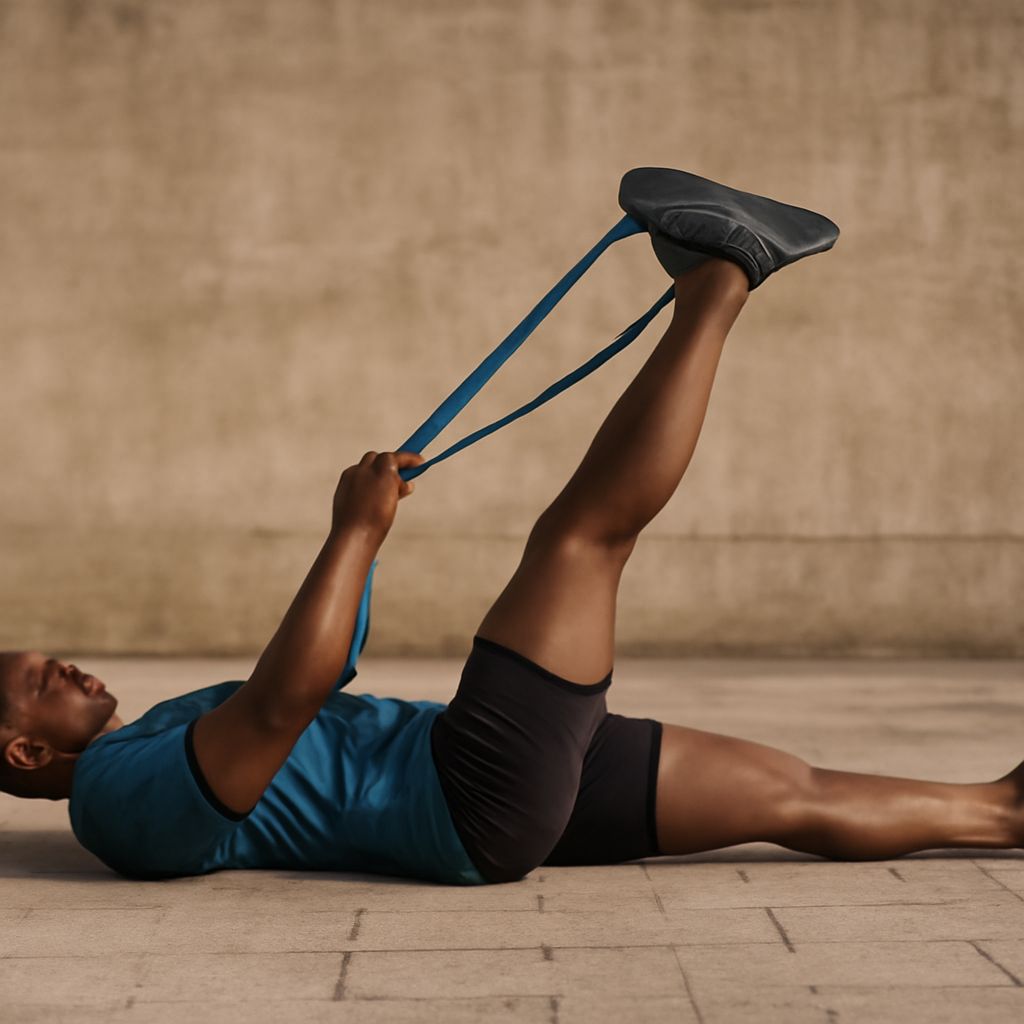
Leg raises engage both the core and knee-supporting muscles. Perform lying leg raises by lifting one leg while keeping the other flat, focusing on controlled movements. Seated leg raises can be integrated for variety, offering a low-impact option that still targets essential muscle groups.
Exercises for Knee Pain Relief
Gentle Stretches to Alleviate Pain
Incorporate stretches that focus on flexibility and pain relief. Hamstring and calf stretches can reduce tension around the knee. Use a resistance band to enhance the stretch, holding each position for 15-30 seconds. These gentle movements can relieve discomfort and promote relaxation.
Low-Impact Workouts for Pain Management
Consider low-impact activities like swimming or cycling, which minimize joint stress while promoting cardiovascular health. Water aerobics provide resistance with less strain on the knees, making it an ideal exercise for those dealing with pain. Engage in these workouts to maintain fitness without aggravating knee issues.
Incorporating Knee Mobility Exercises
Mobility exercises are essential for maintaining joint health and preventing stiffness. Incorporate dynamic stretches like leg swings or ankle pumps to promote fluid movement. These activities enhance circulation and joint lubrication, essential for long-term knee health. Regular mobility work ensures flexibility and readiness for more intense workouts.
Tips for Safe and Effective Knee Exercise Routines
When starting a new knee exercise routine, prioritize safety to prevent injury. Warm up thoroughly to prepare muscles and joints, and listen to your body to avoid overexertion. Use proper form during exercises, and gradually increase intensity. Consider consulting a physical therapist for personalized guidance, especially if you have a history of knee issues.
Consistency is key. Regular practice will yield the best results, improving strength and reducing discomfort over time. Stay hydrated and maintain a balanced diet to support your fitness journey.
Safety recap: Always prioritize proper technique and listen to your body’s signals. If using tools like resistance bands or weights, ensure they are suited to your fitness level and used correctly to prevent injury.
Related Posts

Thick Exercise Mats: How to Choose Your Surface

How to Use a Custom Workout Plan Without Guesswork