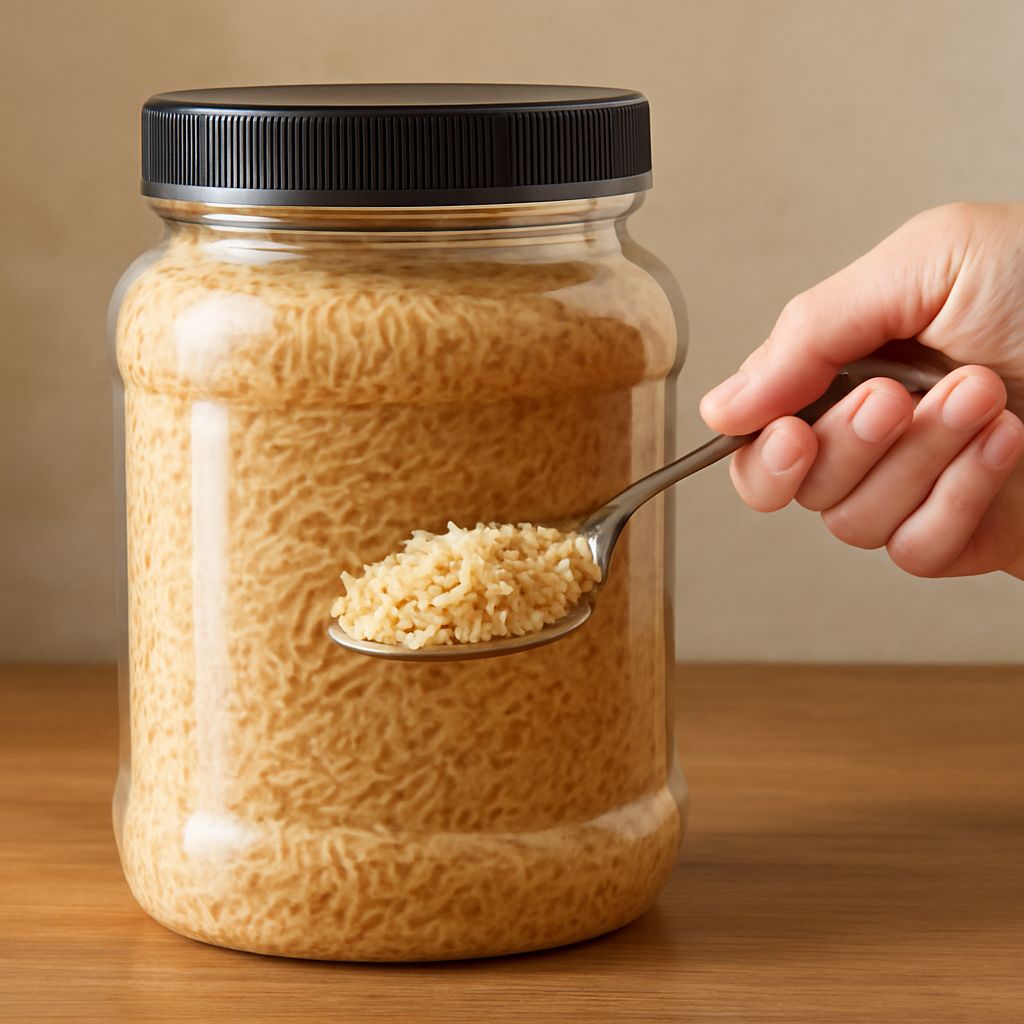
Basmati Rice Glycemic Index: What White and Brown Values Mean
A small serving of basmati rice and a larger serving may have the same glycemic index, yet contain different amounts of carbohydrate. The glycemic index for basmati rice describes a standardized comparison; the amount on your plate is needed to estimate glycemic load.
The index of a basmati rice sample can also differ from that of another sample. Variety, processing and preparation matter, so a published number is best read alongside the rice and cooking method that produced it.
Glycemic Index of Basmati Rice in Published Tests
The glycemic index, or GI, compares the rise in blood glucose after a food containing a fixed amount of available carbohydrate with the response to a reference food, commonly glucose. Available carbohydrate is the carbohydrate that can be digested and absorbed; dietary fiber is excluded. A lower number describes a smaller average response under the test conditions.
One study of rice products in 14 healthy adults is summarized in a systematic review. The white basmati rice glycemic index was 50 for a sample boiled for 10 minutes. The brown basmati rice glycemic index was 75 for a different sample boiled for 25 minutes. A mixture of 60% white and 40% brown basmati, boiled for 25 minutes, had a GI of 59. These are sample results, not fixed values for every package.
The comparison is especially revealing because the brown sample scored higher than the white sample in this test. The products and cooking times differed, so the result cannot isolate the effect of removing the bran. It does show why the GI of brown basmati rice cannot be inferred from color alone.
A separate human study reported basmati values of 57 and 67 in groups of European and Chinese participants, respectively, using glucose as the reference. The difference between these two basmati estimates was not statistically significant in that study. The results illustrate that a reported average depends on the participants and testing conditions as well as the food.
White and Brown: What Changes?
Brown rice retains its bran and germ; white rice has been milled to remove them. Bran contributes fiber and other nutrients, making the two forms different nutritionally. GI answers a narrower question about the average glucose response to a standardized carbohydrate amount. It does not summarize every nutritional difference between the grains.
For glycemic index, basmati rice may behave differently across products because starch structure and processing influence how quickly it becomes available during digestion. Amylose is one type of starch molecule; its proportion, along with other characteristics of the grain, can influence the response. A product’s milling, heat treatment and cooking method add further variables.
The brown sample’s result in the test above is a useful example, not a rule that brown rice always scores higher. Conversely, the glycemic index of a brown basmati product cannot be assumed to be lower simply because it retains bran. To compare two products, look for tests of those specific products prepared in a similar way, using the same reference.
Cooking, Portions and Glycemic Load
Cooking with water changes the texture and structure of rice starch. Time, temperature and the amount of water can affect the result, but a study comparing different products cannot assign its entire GI difference to cooking time. For an estimate that fits a meal, follow the preparation used in the source as closely as possible and note whether the rice was white, brown or pretreated.
Glycemic load, or GL, combines GI with the available carbohydrate in the portion: GL = GI × grams of available carbohydrate ÷ 100. GI is a relative measure for a standardized amount of carbohydrate; GL puts that estimate on the scale of the serving you actually eat.
For a worked example, a published reference lists 120 grams of boiled basmati rice with 30 grams of available carbohydrate and a GI of 57. The calculation is 57 × 30 ÷ 100, or about 17.1, conventionally rounded to a GL of 17. The 120-gram amount is approximately 4.2 ounces by weight. A 60-gram portion of that same prepared rice would contain about 15 grams of available carbohydrate and have an estimated GL of about 9, while its GI remains 57.
This arithmetic is an illustration for that reported food. A cup or spoon measures volume, and cooked rice can vary in how much water it holds, so weighing the cooked portion is more consistent when using weight-based figures. A package’s carbohydrate and fiber information can help estimate available carbohydrate, but its exact GI requires a reliable test of the product.
How to Use an Estimate
When looking up a glycemic index for brown basmati rice, note the source, preparation and reference food before comparing numbers. A laboratory estimate based on starch digestion is different from a GI measured in people. Check which type of result a source provides before placing the numbers side by side.
The glycemic index of basmati rice describes the rice tested on its own under a particular protocol. Adding vegetables, beans, oil or other ingredients changes the meal’s composition; a single-food figure does not directly measure the response to the finished plate. Portion size remains relevant to the carbohydrate contributed by the rice.
Does brown basmati always have a lower GI than white? No. In the cited comparison, the brown sample scored 75 and the white sample 50. Use a product-specific result when available, and interpret it together with the amount served.
Related Posts
Sugar Nutrition Facts: A Clear Guide to the Numbers

Baked Cauliflower with Cheese: A Nutritious Delight