Chestnut Nutrition: What Is in a Serving?
How do chestnuts fit into a meal? Their nutritional profile is closer to a starchy food than to many other tree nuts: they provide mostly carbohydrate, with relatively little fat and protein. The nutrition facts for chestnuts depend on the portion and whether they are raw, roasted or prepared with other ingredients.
Chestnut nutrition facts for a useful portion
The table below uses the USDA’s European chestnut records, from its National Nutrient Database for Standard Reference, Release 28. Values are for 3.5 ounces (100 grams) of edible portion, excluding shell and skin for the roasted entry. The raw entry is peeled. Both columns describe plain chestnuts, not a sweetened or salted product.
| Nutrient | Raw, peeled | Roasted |
|---|---|---|
| Calories | 196 | 245 |
| Carbohydrate | 44.2 g | 53.0 g |
| Protein | 1.6 g | 3.2 g |
| Total fat | 1.3 g | 2.2 g |
| Dietary fiber | Not reported | 5.1 g |
| Total sugars | Not reported | 10.6 g |
| Potassium | 484 mg | 592 mg |
| Vitamin C | 40.2 mg | 26 mg |
For chestnuts, nutrition facts are reference values, not a measurement of every nut. Variety, water content and preparation can change the numbers. The table’s fiber and sugar blanks for the raw sample mean that data were not reported; they do not mean the amounts are zero.
For a smaller practical portion, one ounce of the roasted edible kernels supplies approximately 69 calories, 15 grams of carbohydrate, 0.9 grams of protein, 0.6 grams of fat and 1.4 grams of fiber, according to the same USDA record. Weigh after removing the shell if you want to compare your serving directly with the table. The number of individual chestnuts per ounce varies with their size.
What the nutrients contribute
Carbohydrate is the largest source of energy in the roasted sample. Some is sugar and some is dietary fiber; the sugar and fiber figures are components of the total carbohydrate, not amounts to add on top of it. Fiber is the part of plant food that is not fully digested and can help make a meal more substantial.
The chestnut nutrition facts also show why a handful differs from a handful of almonds or walnuts. Chestnuts generally contain more water and less fat than those nuts. Their soft, starchy texture makes them useful in a meal where rice, potatoes or bread might otherwise provide some carbohydrate. They contribute some protein, but a serving is not as concentrated a protein source as beans, fish or tofu.
The nutritional information for chestnuts includes potassium, a mineral involved in normal muscle and nerve function, and vitamin C, which has several roles including supporting normal immune function. The roasted sample also supplies other minerals and B vitamins. For example, USDA lists about 33 mg of magnesium and 0.50 mg of vitamin B6 per 100 grams. A varied diet supplies these nutrients from many foods, so consider the whole meal rather than one ingredient.
Raw and roasted are different comparisons
The raw sample contains about 52 grams of water per 100 grams; the roasted sample contains about 40.5 grams. As water is lost during roasting, nutrients and calories can become more concentrated per ounce of the finished food. Cooking can also change nutrients, including heat-sensitive vitamin C. The two records are reference samples, not a measurement of the same chestnuts before and after cooking, so their differences cannot all be assigned to roasting alone.
If you track food, use the chestnut nutrition facts that match what you actually ate. Weigh a roasted, peeled portion and select a roasted entry; weigh a raw, peeled portion only if that is the form being assessed. Do not compare the weight of nuts in shells with the weight of edible kernels. A kitchen scale makes a clearer comparison than counting pieces of different sizes.
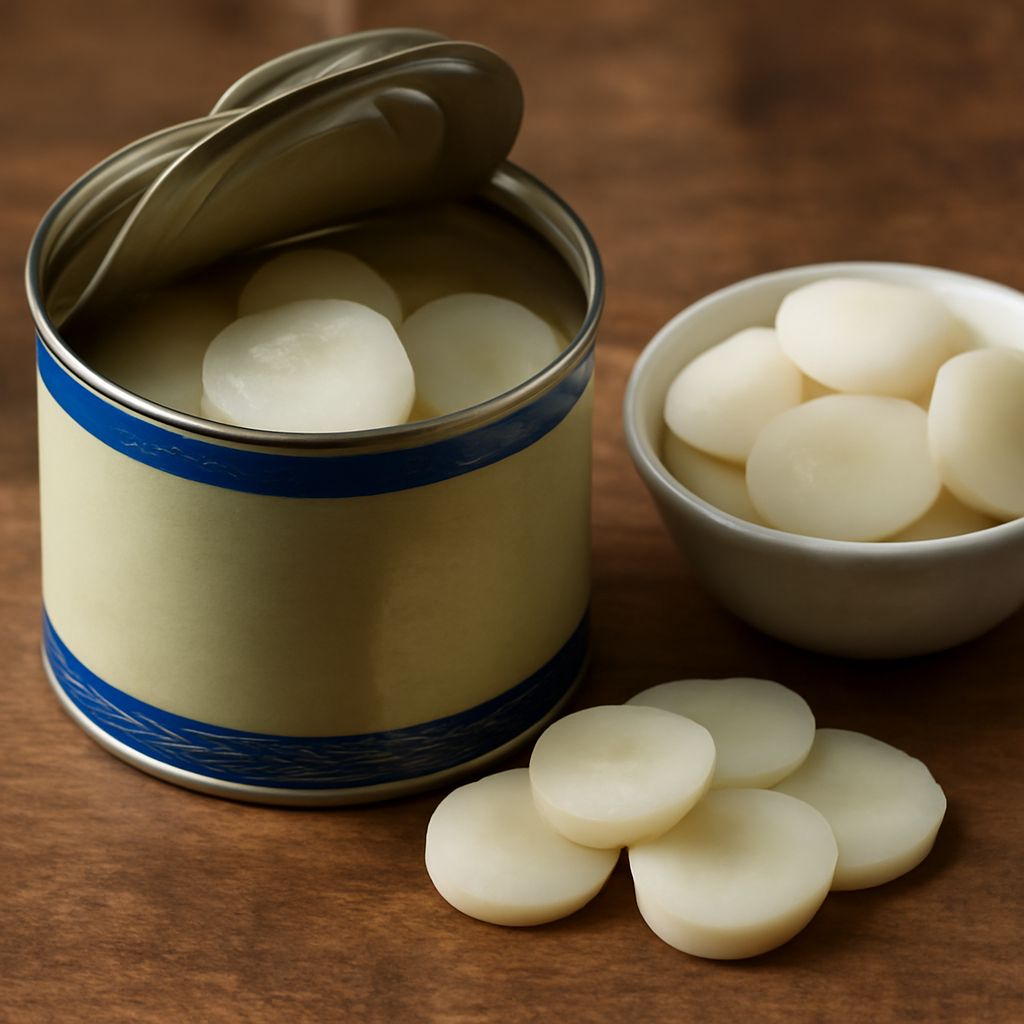
Boiled chestnuts can hold a different amount of water from roasted ones, so use a boiled entry when possible. Chestnut flour is dried and milled, while purées and candied products may contain added sugar or fat. For packaged foods, read the nutrition panel and ingredient list for that specific item, including the serving size.
Buying, preparing and serving
Choose edible sweet chestnuts sold as food. Horse chestnuts, sometimes called conkers, are a different plant and are not edible. Fresh chestnuts are perishable: refrigerate them and discard any with visible mold or an unpleasant smell. If you have a tree-nut allergy, ask your clinician whether chestnuts are safe for you.
For roasting, score the shell before heating to let steam escape. Cook until the kernels are tender, then remove the shell and inner skin while the nuts are still warm enough to peel comfortably. Handle hot shells carefully. Ready-cooked, peeled chestnuts can save time; check whether the package contains added salt or sweeteners.
Fold chopped roasted kernels into a grain salad, add them to vegetable soup near the end of cooking, or pair them with mushrooms and beans. They can also be eaten on their own. The nutrition profile of chestnuts changes with the rest of the recipe: butter adds fat, while a sweet glaze adds sugar and calories.
Quick reference
- Identify the food: choose edible sweet chestnuts, not horse chestnuts.
- Match preparation: use raw, roasted or boiled chestnut values as appropriate; check a package for added ingredients.
- Measure the edible portion: the table uses 3.5 ounces after removing inedible parts; one ounce roasted provides about 69 calories.
- Build the meal: treat the kernels as a carbohydrate-containing ingredient and add a protein source and vegetables as desired.