Blueberry Nutrition: What a Cup Brings to Your Plate
What does a cup of blueberries contribute to an ordinary meal? About 84 calories, 21 grams of carbohydrate and 3.6 grams of fiber, along with small amounts of several vitamins and minerals. A cup of these berries makes one contribution to a meal’s nutrient mix.
The nutrient profile of blueberries includes vitamin C and vitamin K, but no single food supplies everything a body needs. A cup of berries can add fruit, texture and flavor to breakfast or a snack; its contribution depends on what else is on the plate and how much is eaten.
Nutritional Value of Blueberries: A One-Cup Snapshot
The following figures describe 1 cup (148 grams) of raw blueberries, with no ingredients added. They come from the USDA FoodData Central entry for raw blueberries, rounded for practical use:
- Calories: 84
- Carbohydrate: 21.4 grams
- Fiber: 3.6 grams
- Total sugars: 14.7 grams
- Protein: 1.1 grams
- Fat: 0.5 grams
- Vitamin C: 14.4 milligrams
- Vitamin K: 28.6 micrograms
- Manganese: 0.5 milligrams
A cup is a convenient measure, not a magic serving size. Half a cup supplies roughly half these amounts; two cups supply roughly twice as much. Berry size and packing can change the weight in a measuring cup, so a kitchen scale is more precise if you track portions closely.
The nutritional value of blueberries is more than a calorie count. Water accounts for much of their weight, while carbohydrate provides most of their energy. The small amounts of protein and fat mean that the fruit plays a different role from foods such as eggs, yogurt, nuts or beans.
Carbohydrate, sugar and fiber
The nutrition of blueberries includes naturally occurring sugar as well as fiber. In the USDA reference cup, the 14.7 grams of sugar are part of the 21.4 grams of total carbohydrate, not an amount to add on top. Raw berries have no added sugar. A sweetened blueberry product can have a different total, so its label deserves a separate look.
Fiber is also included in total carbohydrate. It is the part of plant food that resists digestion in the small intestine. The 3.6 grams in a cup contribute to daily fiber intake, which supports normal bowel function. Other foods, including beans, whole grains, vegetables and other fruits, can contribute different amounts and types of fiber throughout the day.
Blueberry nutrition fits easily into a meal that contains other sources of carbohydrate. If you count carbohydrates, include the berries in the meal total along with the oats, milk or bread you eat with them. A half-cup portion contributes approximately 11 grams of carbohydrate using the reference values above. Your meal’s full count also depends on its other ingredients and portions.
Vitamins, minerals and plant compounds
The blueberry nutritional value reported by USDA includes about 14.4 milligrams of vitamin C per cup. Vitamin C helps the body make collagen, a protein involved in connective tissue, and helps absorb iron from plant foods. The same cup provides about 28.6 micrograms of vitamin K, which has a role in normal blood clotting, and manganese, a mineral involved in several metabolic processes.
A serving is one contribution to a varied diet. For perspective, the FDA Daily Values for adults and children age four and older are 90 milligrams for vitamin C, 120 micrograms for vitamin K and 2.3 milligrams for manganese. A reference cup supplies roughly 16%, 24% and 22% of those values, respectively. Daily Values are general reference points for labels; individual needs can differ.
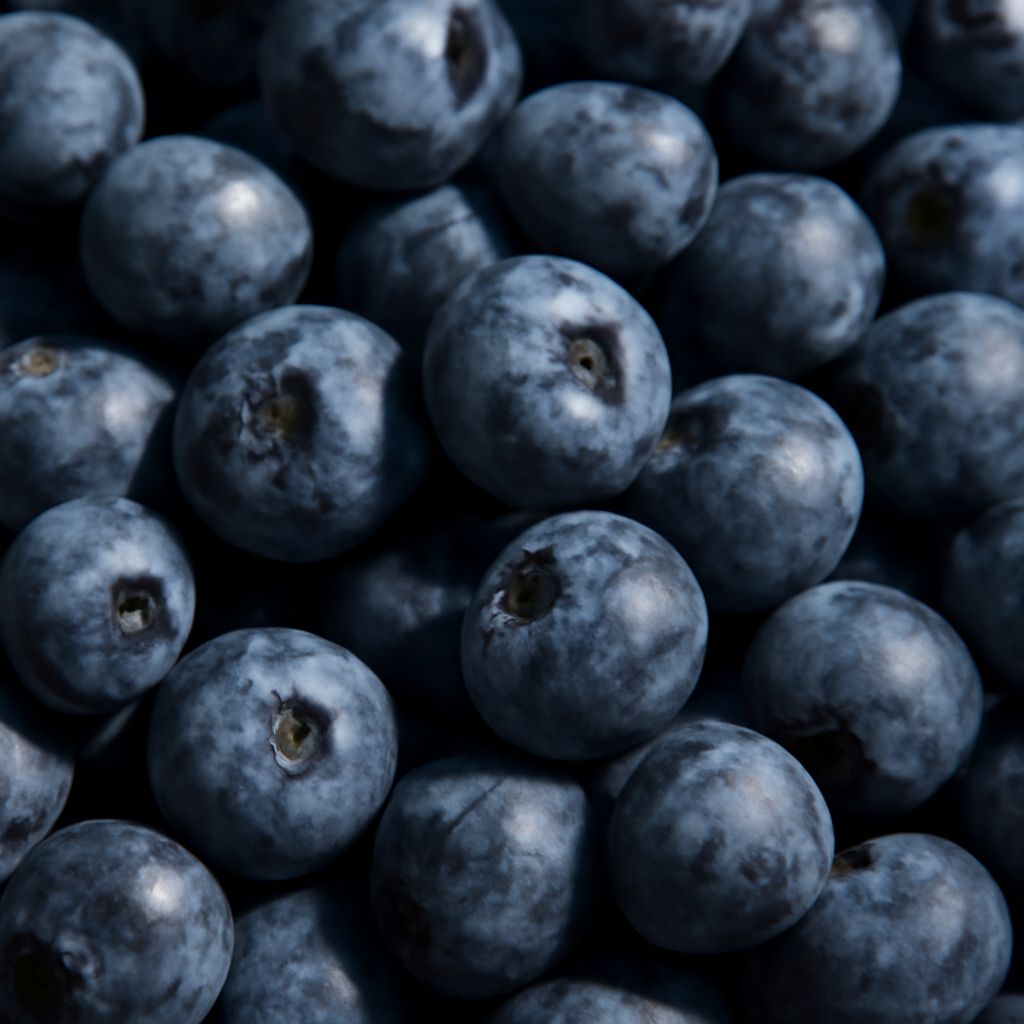
The berries also contain anthocyanins, plant pigments responsible for much of their blue color. Researchers study these compounds, but a pigment’s activity in a laboratory does not establish that a particular serving will prevent or treat a disease. The nutrient profile of fresh blueberries is better understood through their measured nutrients and their place in the overall diet than through a promise attached to a single compound.
Fresh, frozen and prepared forms
Blueberry nutrition can change with preparation. The figures above apply to raw fruit; frozen berries may be sold plain or sweetened, and dried berries can be sweetened and are more concentrated because much of their water has been removed. A cup of dried fruit is therefore not a cup-for-cup nutritional substitute for fresh berries. Check the package’s serving weight and added-sugar line when choosing a prepared product.
On a chart of nutritional info, blueberries should be compared with other foods at the same weight or serving size. A small handful, a cup and a bag of dried fruit describe very different amounts. A product label can also include other ingredients, such as syrup or sugar, that are absent from the raw-fruit reference.
A serving of fruit can complement foods that supply more protein or fat. Plain Greek yogurt, for example, adds protein; nuts or seeds add fat and texture. Portions and label values vary, so calculate a meal from the products and amounts you actually use rather than assigning the berries the entire meal’s calories.
Make the numbers practical
If breakfast needs more fruit, rinse a cup of raw berries under running water and add them to a bowl of plain Greek yogurt. The blueberries’ nutrient profile includes carbohydrate, fiber and micronutrients; the yogurt contributes its own nutrients. Add oats if you want a larger meal, and use the yogurt and oat labels to estimate the complete bowl.
A smaller portion also works well. Spread half a cup over oatmeal and save the rest for a snack, or stir the full cup into yogurt just before eating for a cool contrast in texture. Either way, the serving is a food to enjoy within a meal, with its contribution added to the rest of the day’s choices.