Kiwi Nutrition: What a Fruit Adds to Your Plate
For a 69-gram serving of raw green fruit, the nutrients in a kiwi include 2.1 grams of fiber, 64 milligrams of vitamin C, and about 42 calories. The nutritional value in kiwi scales with the edible portion: 100 grams of the same green fruit supplies about 61 calories.
Kiwi nutritional value in a measured portion
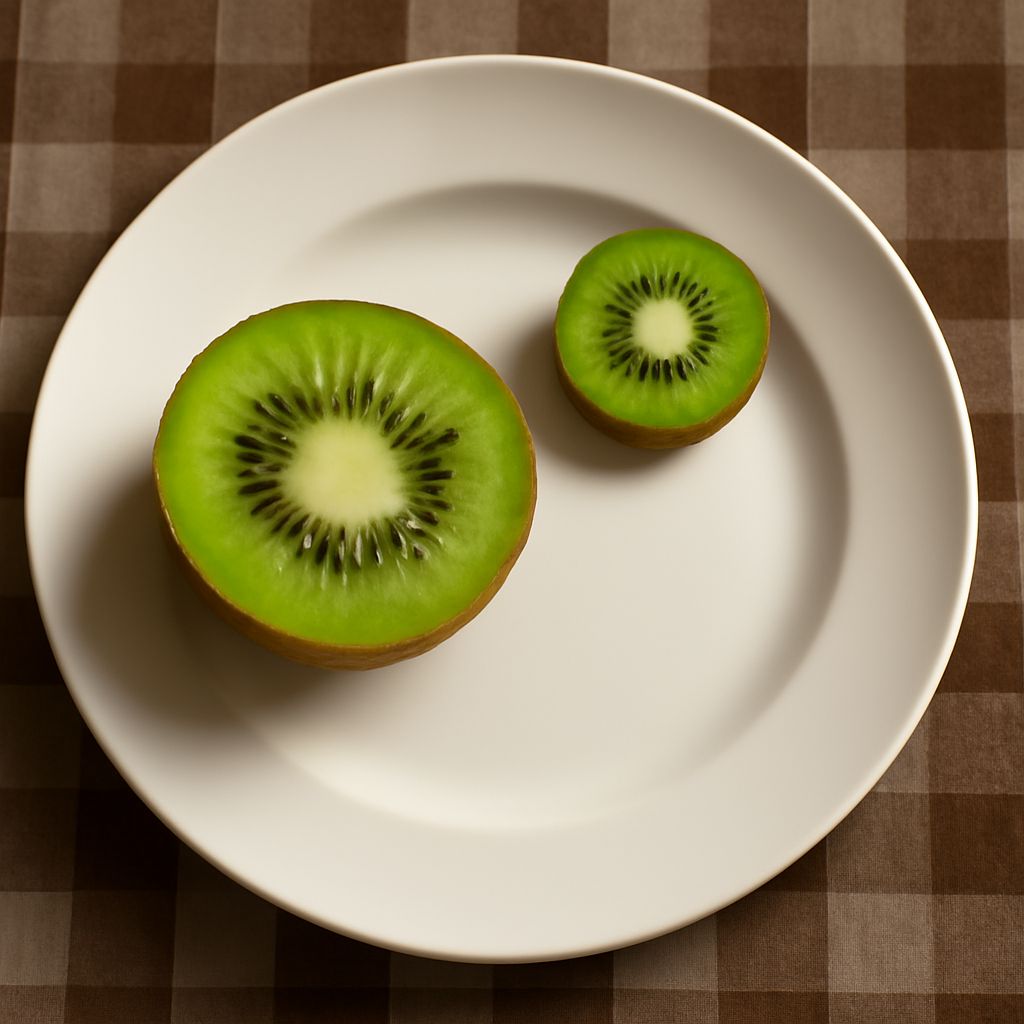
For a practical reference, the USDA’s raw green kiwifruit record describes one fruit about 2 inches in diameter, with 69 grams of edible fruit. It is a reference portion, not a promise that every kiwi at the store weighs the same. The numbers below compare that fruit with 100 grams, or about 3.5 ounces, of the same food. Values are rounded.
| Nutrient | One fruit, 69 g | Per 100 g |
|---|---|---|
| Calories | 42 | 61 |
| Carbohydrate | 10.1 g | 14.7 g |
| Dietary fiber | 2.1 g | 3.0 g |
| Vitamin C | 64 mg | 92.7 mg |
| Potassium | 215 mg | 312 mg |
The kiwi nutrition figures tell two related stories. For kiwi nutritional value, the fruit-sized column helps plan a snack; the 100-gram column puts foods on the same scale for comparison. Neither column describes a serving of juice or sweetened dried fruit, which has a different composition.
If the edible portion on your plate weighs 100 grams, use the second column. If it weighs 69 grams, use the first. For another weight, multiply the per-100-gram figure by the edible weight in grams and divide by 100. At 150 grams, for example, the reference gives about 92 calories. These kiwifruit nutrition facts are estimates: individual fruit can differ from the sample behind a database entry. Nutritional facts about kiwifruit put two reference fruits at about 84 calories and 4.2 grams of fiber.
What the carbohydrate and fiber numbers mean
The 10.1 grams of carbohydrate in the reference fruit include naturally occurring sugars and dietary fiber. Fiber is part of total carbohydrate, so it should not be added to that number. The same portion has about 6.2 grams of total sugar. Whole fruit also contains water, which contributes weight without adding calories. These nutrition facts about kiwifruit describe the whole edible portion.
Dietary fiber is the part of plant food that the body does not fully digest. It contributes to normal digestive function, and the FDA explains that diets higher in dietary fiber can help with regularity. One fruit contributes 2.1 grams toward a day’s total; other foods eaten throughout the day matter too.
The nutritional value of kiwi fits into a meal alongside its other ingredients. A bowl of plain yogurt, oats, and sliced fruit contains the carbohydrate in each component; yogurt also supplies protein. If tracking intake, add the amounts for the actual portions used rather than treating the fruit as the whole meal. The nutritional value in a kiwi is only one part of that total.
Vitamin C and potassium in context
One reference fruit supplies 64 milligrams of vitamin C. The National Institutes of Health lists that amount as 71% of the 90-milligram Daily Value used on U.S. food labels. The Daily Value is a comparison tool for a day’s intake, not an individual prescription. Vitamin C helps the body make collagen and also helps with absorption of iron from plant foods.
The same fruit supplies approximately 215 milligrams of potassium. This mineral supports functions including normal nerve signaling and muscle contraction. The NIH potassium fact sheet explains that needs vary and that people with kidney disease or taking certain medicines may need individual advice about potassium. For most readers, the amount is one contribution among many foods eaten across the day.
Kiwi nutrition contributes little protein or fat: the reference fruit has about 0.8 grams of protein and 0.4 grams of fat. Yogurt, eggs, nuts, or other foods supply more of those nutrients when the fruit is part of a meal.
Green, gold, and the size of your fruit
Green and gold fruit have different flesh and flavor, and their nutrient profiles can differ too. The numbers in the table describe raw green fruit; they should not be copied automatically to a gold variety. For a packaged product, use the label and its stated serving size, or select a matching variety in a food database. The nutrition facts kiwi growers report can also refer to a different portion, so compare weights before comparing totals. Compare the nutritional values of kiwis using the same weight.
Size makes a difference even within one variety. Two fruits may look similar but yield different edible weights after trimming or peeling. A larger portion generally supplies more of each nutrient, although the exact nutrient concentration can vary between individual fruits. To estimate your own serving, weigh the part you will eat and use a record that matches the preparation.
This is why nutrition information for kiwifruit works best as a range of practical estimates rather than a measurement of every fruit. If you regularly use the same size, the reference portion may be close enough for everyday planning. If an exact count matters to you, the scale offers a more consistent starting point than the word “medium.”
Put a serving to work
Try slicing a green kiwi over oatmeal, adding it to a yogurt bowl, or serving it with eggs and toast. Each pairing gives the fruit a different role: a fresh topping, a sweet contrast, or one part of a larger breakfast. For an afternoon snack, combine it with a handful of nuts if you want a little fat and protein alongside the fruit.
Before cutting, rinse the fruit under running water, even if you intend to peel it. The FDA’s produce guidance explains that washing before peeling helps avoid transferring dirt and bacteria from the surface to the flesh. Use clean hands and utensils, then refrigerate cut fruit.
Can you eat the skin? Yes: after washing, you can eat it if you enjoy its texture. Peel it if you prefer a softer bite, and weigh the portion you actually eat when applying the figures above.