Dietary Supplement Basics: What You Need to Know
A common misconception is that every supplement on a store shelf has been approved by the Food and Drug Administration (FDA) for safety and effectiveness. In the United States, FDA does not approve these products for those purposes before they are sold. A supplement intended for the diet can still be subject to manufacturing and labeling rules, and FDA can take action when a product violates the law.
So what does a supplement for the diet mean? It is an ingested product intended to add to the diet, containing one or more dietary ingredients such as vitamins, minerals or herbs. Its category tells you how it is regulated; the ingredients, amount and your circumstances help determine whether it makes sense for you.
What Is a Dietary Supplement and What Does It Contain?
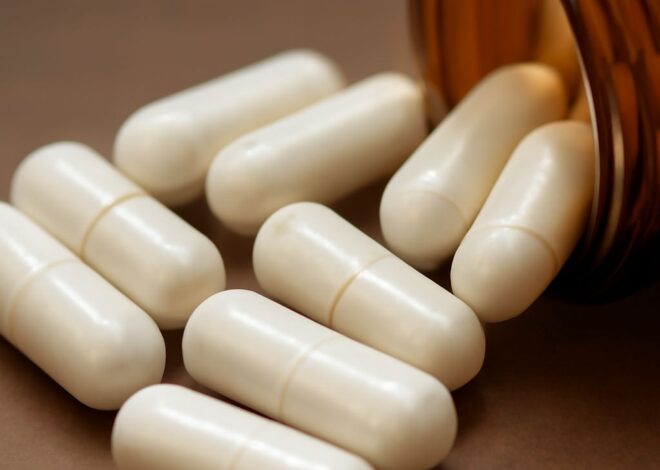
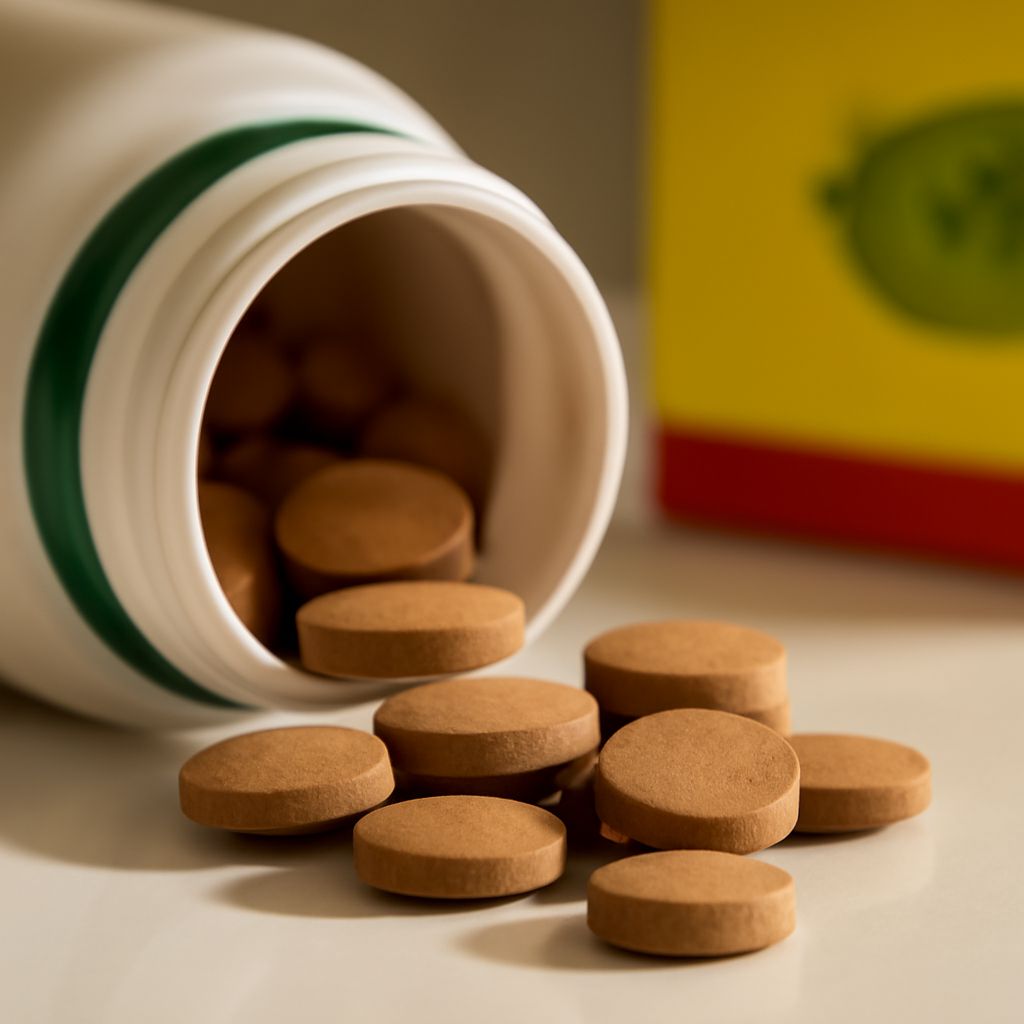
What is a dietary supplement? It is a product taken by mouth to supplement the diet, labeled as a supplement and containing one or more qualifying ingredients. Pills are familiar, but capsules, powders, liquids and gummies can also fit the category. The FDA’s consumer overview explains the rules and what must appear on labels.
The dietary supplement, meaning a product taken to add ingredients to the diet, is regulated under a framework for foods. It is not presented as a conventional food or the sole item of a meal. For example, a vitamin D capsule and a fortified breakfast cereal both deliver a nutrient, but their product categories and labeling are different.
Understanding what these products are also means recognizing the variety inside the category. A single-ingredient mineral product and a blend of several plant extracts can have different purposes, amounts and uncertainties. Their shared label does not mean they are interchangeable.
Common ingredients and product types
A list of nutritional supplements can include several broad groups:
- Vitamins and minerals: individual nutrients such as vitamin D or iron, as well as multivitamin and mineral combinations.
- Botanicals: herbs or other plant materials, such as ginger, supplied in forms including extracts and powders.
- Amino acids and proteins: products containing ingredients such as amino acids or protein powders.
- Other ingredients: products may contain substances such as fish oil, enzymes or live microorganisms often called probiotics.
A nutritional supplement may contain one ingredient or a blend. The name on the front may emphasize one ingredient while the back reveals several others. Check the complete panel before comparing products: two bottles with the same headline ingredient may provide different amounts per serving or include different combinations.
Knowing what qualifies as one of these products helps explain its contents, but does not make every ingredient suitable for everyone. Some people use specific products to help meet nutrient needs; others may already get sufficient amounts from food and fortified products. The NIH Office of Dietary Supplements explains both potential benefits and risks.
How to read Supplement Facts
The panel is a map of what the manufacturer says is in a serving. Read it in this order:
- Serving size: Check whether the listed amounts apply to one capsule, two gummies, a scoop or another measure. If you take a different amount, the ingredient quantities change accordingly.
- Ingredients and amounts: Look for each dietary ingredient and its amount per serving. A proprietary blend may list the total weight of the blend without giving the amount of each ingredient in it.
- Percent Daily Value (%DV): When listed, this shows how much a nutrient in one serving contributes to a general daily reference amount. Some ingredients have no established Daily Value. A high percentage is not automatically the right amount for you.
- Other ingredients: Look outside the panel for substances such as capsule materials, flavorings and fillers. This matters if you avoid a particular ingredient.
For example, if a panel lists 10 milligrams of an ingredient per serving of two capsules, one capsule supplies half the listed amount. If another product lists 10 milligrams per capsule, its serving and concentration differ even though the number on the label looks familiar. Compare the quantities you would actually take.
The definition of this category includes products with many ingredients, but the panel alone cannot establish whether a particular dose is appropriate. Consider the same nutrient from food, fortified foods and other products as well as any advice from your healthcare professional.
Claims, oversight and medicines
The FDA does not approve dietary supplements for safety and effectiveness before sale. Manufacturers and distributors are responsible for making sure products meet applicable safety and labeling requirements. FDA inspects facilities, monitors the market and can take action against products that are unsafe or otherwise violate the law. Certain new dietary ingredients require a premarket safety notification; notification is not product approval.
Prescription drugs generally undergo FDA review for safety and effectiveness for their intended uses before approval. A label may make a supplement structure/function claim, such as describing a nutrient’s role in the body, but such claims are not FDA-approved and require a disclaimer. Certain health claims about a substance and reduced disease risk follow separate rules and may require FDA review or authorization. A product marketed to treat, cure or prevent a disease is subject to drug regulation.
Knowing what these products are helps separate a category name from evidence about an individual claim. A dramatic promise is not proof that a product works. Some nutritional supplements can interact with medicines or other supplements; high intakes of certain nutrients can also cause harm. Bring the label and a list of your medicines and supplements to a doctor, pharmacist or other healthcare professional before use.
Before choosing a product, use one rule: match its full ingredient list and amount per serving to a specific need, then review that choice with your healthcare professional.
Related Posts
Best Supplements for Weight Loss: A Comprehensive Guide
Shilajit: Unlocking the Power of Ancient Wisdom