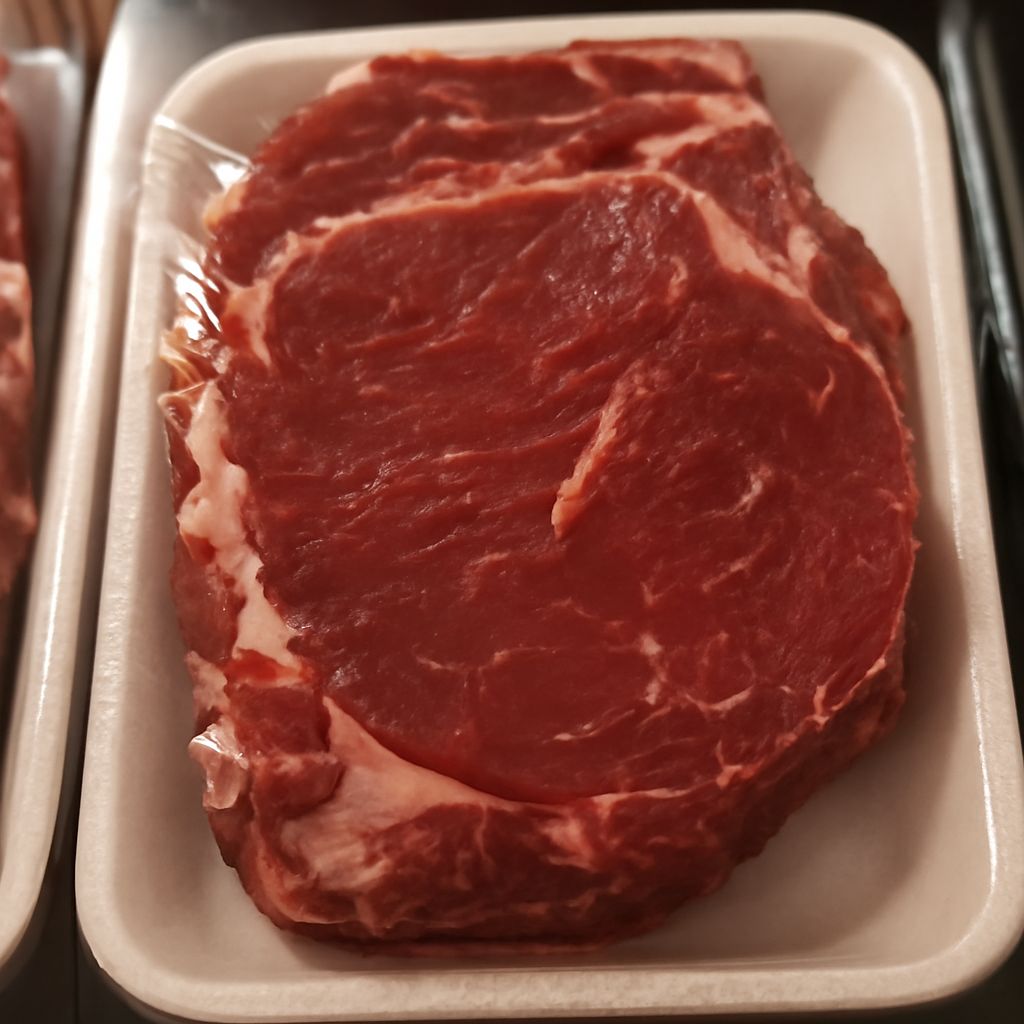
Understanding USDA Beef Grades
Imagine you’re standing in the meat aisle of your local grocery store, faced with a dizzying array of beef options. You see labels like ‘USDA Choice’ and ‘USDA Prime’, but you’re not entirely sure what these USDA beef grades mean. You’re here to choose the perfect cut for a weekend barbecue, but the choices are overwhelming. Understanding USDA beef grades can be a game-changer, helping you navigate these options confidently and ensuring you select the best quality meat for your needs.
What Are USDA Beef Grades?
USDA beef grades are part of a system developed by the United States Department of Agriculture. This grading system categorizes beef based on several factors that influence the quality and taste of the meat. The grades mainly focus on the amount of marbling, which refers to the intermingling of fat within the lean meat, and the age of the animal. This classification helps consumers and retailers identify the level of quality of a particular beef cut, ensuring that what they purchase meets their expectations.
The Different USDA Steak Grades Explained
There are primarily three USDA steak grades that consumers will encounter: Prime, Choice, and Select. Prime grade is awarded to beef with abundant marbling and is generally sourced from younger cattle, making it the highest quality available. It’s known for being especially flavorful and tender, ideal for special occasions or gourmet meals.
Choice meat is slightly less marbled compared to Prime but still offers great quality. It’s more commonly available and provides an excellent balance between tenderness, flavor, and cost. Finally, Select grade beef has the least amount of marbling and is often leaner, making it suitable for those who prefer less fat or are on a stricter budget.
How USDA Beef Grades Impact Quality
Flavor
The level of marbling in beef significantly affects its flavor. More marbling usually results in a richer and more robust taste. Prime cuts, with their high-fat content, provide a melt-in-your-mouth experience that many beef enthusiasts seek. Choice beef provides a satisfying balance, giving you a good depth of flavor while being more accessible than Prime.
Tenderness
Aside from flavor, tenderness is a crucial factor influenced by USDA beef grades. The age of the cattle and the presence of fat help determine how tender the beef will be. Prime cuts, sourced from younger cattle with more marbling, tend to be the most tender. Choice meat is also relatively tender but may require a bit more cooking care to achieve the desired texture. Select cuts, while leaner, can still be tender if cooked properly.
Marbling
Marbling plays a pivotal role in the grading system. It not only affects flavor and tenderness but also the juiciness of the meat. As you move from Prime to Select grades, the amount of marbling decreases, which can lead to drier meat if not cooked attentively. Understanding how marbling impacts these aspects can help you choose the right cut for your cooking style and taste preferences.
Choosing the Right USDA Beef for You
Selecting the right beef involves balancing quality, taste, and budget. If you’re preparing a special meal and want to impress, investing in Prime beef could be worth the extra cost. For everyday meals or family gatherings, Choice meat offers a great combination of quality and value. On the other hand, if you’re looking for a lean option or something more economical, Select beef could be the way to go.
Tips for Buying Choice Meat
When buying Choice meat, there are several tips to ensure you get the best quality. First, always check for a bright red color which indicates freshness. Additionally, look for an even distribution of marbling throughout the cut, as this will impact the flavor and tenderness. It’s also beneficial to purchase from a reputable butcher who can provide insight into the source and quality of the beef.
Consider the cooking method you plan to use; for instance, grilling or broiling is excellent for Choice cuts due to their balance of fat content. Finally, don’t hesitate to ask for recommendations or questions about the beef grades if you’re uncertain about which cut to choose.
Safety recap: While USDA beef grades guide you in choosing high-quality meat, always ensure that you handle and cook beef properly to avoid any health risks. Use a meat thermometer to check that your beef reaches a safe internal temperature, typically 145°F for medium rare, and let it rest before serving to maintain juiciness.
Related Posts
Ham and Cheese Sliders: The Ultimate Guide
Oh Yeah Protein: A Comprehensive Guide