When Do Babies Start Eating Baby Food: A Comprehensive Guide
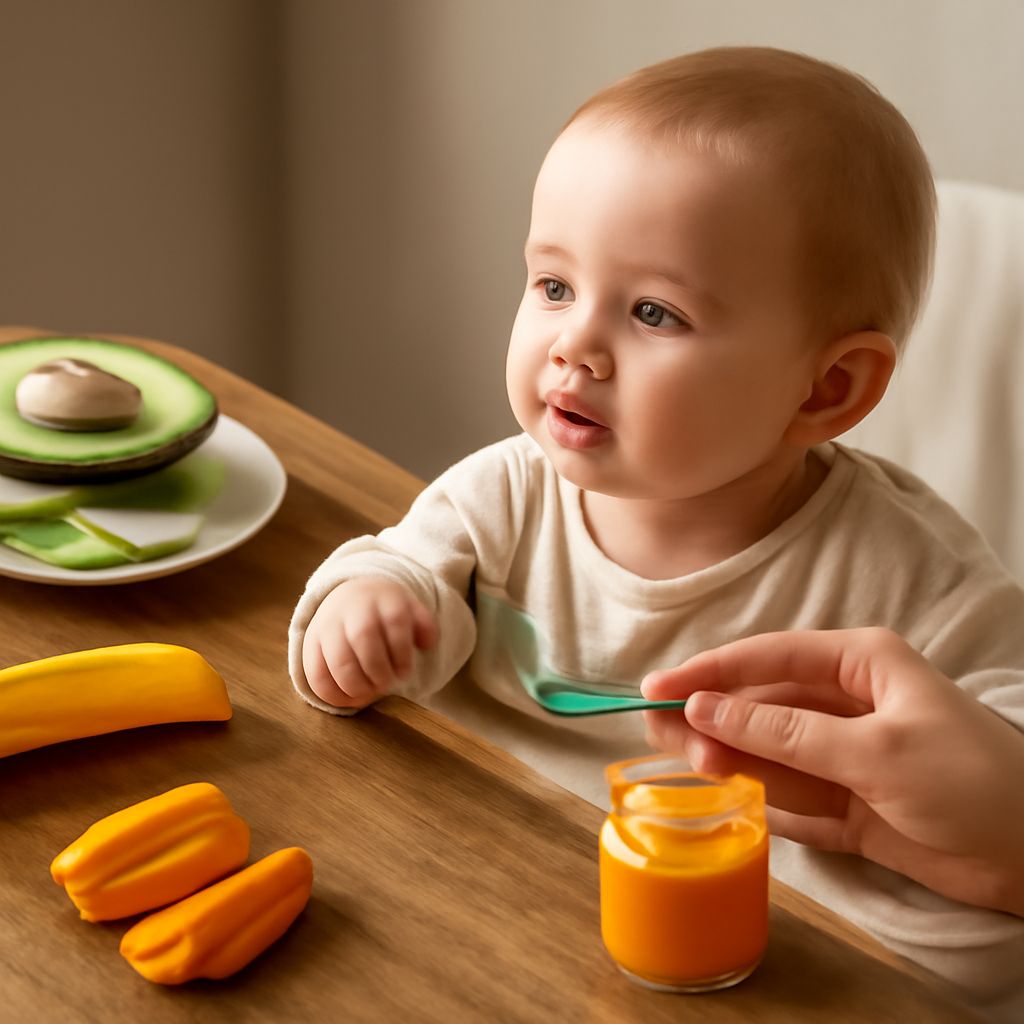
Imagine the moment when your little one gazes at you with intense curiosity, observing every bite you take during dinner. Their tiny hands reach out with interest, and you begin to wonder: when to start baby food for your child? As a parent, this is a pivotal point in your baby’s development, and you’re eager to introduce them to the world of flavors and textures that solid foods offer. When do babies start eating solids, and how do you make this transition safely and smoothly? Let’s explore this journey together, ensuring your baby has a delightful experience.
Understanding When to Start Baby Food
Deciding when to start baby food is a significant milestone in your child’s growth. The general guideline is to begin introducing solids around six months, but every baby is unique. At this age, most infants are ready to explore new textures and tastes beyond breast milk or formula. However, some may show readiness a little earlier or later. It’s essential to observe your baby’s developmental cues and consult with your pediatrician to ensure they are prepared for this new stage.
Signs Your Baby is Ready for Solids
Recognizing the signs of readiness in your baby is crucial before introducing solids. Look for increased interest in your meals, the ability to sit up with minimal support, and strong head control. Additionally, babies often lose the tongue-thrust reflex around this time, which is a natural instinct that pushes food out of their mouth. Another sign is their ability to show hunger and fullness cues, such as leaning forward to express interest in food or turning away when full.
How to Introduce Baby Food Safely
Choosing the Right First Foods
Introducing baby food requires thoughtful consideration of your baby’s nutritional needs and preferences. Start with simple, single-ingredient foods like pureed vegetables or cereals. These are typically easy to digest and less likely to cause allergic reactions. Gradually, you can introduce a wider range of foods, combining flavors and textures as your baby becomes more comfortable.
Creating a Feeding Schedule
A consistent feeding schedule helps your baby develop a routine and recognize mealtime cues. Begin with one solid meal per day, preferably when your baby is alert and happy. Gradually increase the frequency as they become accustomed to eating solids. Remember, the primary source of nutrition should still be breast milk or formula until about 12 months of age.
Common Concerns When Starting Solids
Introducing solids can bring up several concerns for parents. Allergies are a common worry, but introducing new foods gradually can help monitor any adverse reactions. It’s also essential to focus on iron-rich foods, as babies’ iron stores diminish around six months. Furthermore, ensure the food is the appropriate texture to prevent choking hazards, keeping pieces small and easy to swallow.
Tips for a Smooth Transition to Baby Food
Approach this transition with patience and flexibility. It’s normal for babies to accept some foods and reject others initially. Offer a variety of options multiple times to encourage exploration and acceptance. Additionally, maintain a positive mealtime environment, free from distractions, so your baby can focus on the new experience. Be prepared for messiness as your baby learns to maneuver food, allowing them to use their hands to explore and enjoy.
FAQs on When Babies Start Eating Solids
Many parents have questions about the right time to introduce solids and how to manage the process. A common query is about the best first foods — typically, single-grain cereals or pureed vegetables are recommended. Another frequent question is how to balance breast milk or formula with solids; the key is to continue offering milk before solids to ensure nutritional needs are met.
Next steps: Embarking on the journey of introducing solids is an exciting phase for you and your baby. Monitor their reactions and be responsive to their needs, adjusting the variety and quantity of foods as necessary. Consult with your healthcare provider for personalized advice, and enjoy this new chapter in your child’s development!
Related Posts
Foods to Eat When Sick: Boosting Your Recovery with Nutrition

Dandelions: Nature’s Nutritional Powerhouse