Wine vs Beer Calories: A Comprehensive Guide
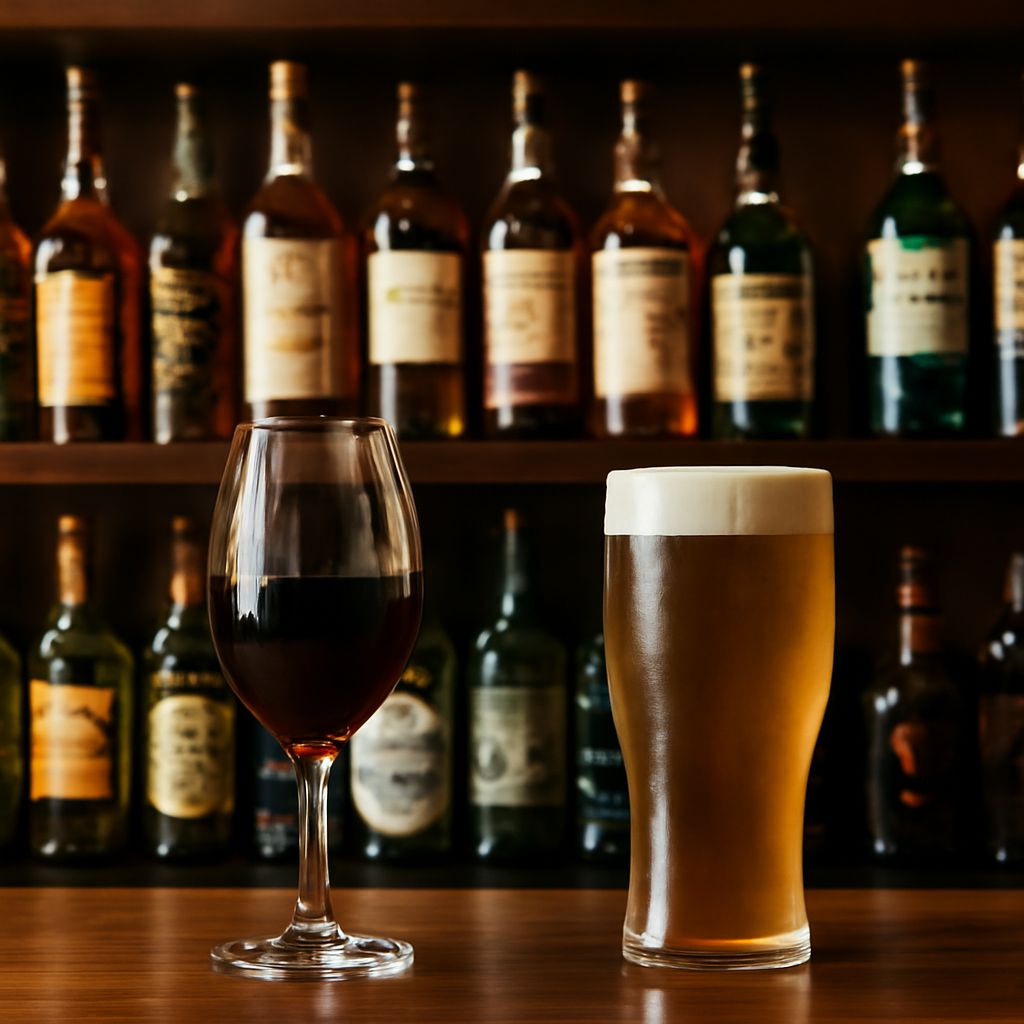
Imagine yourself at a lively social gathering, a glass in hand, weighing the options between a crisp glass of wine and a frothy mug of beer. You’re curious about the health implications and calorie counts of your beverage choices, wondering which drink aligns better with your nutritional goals. As you contemplate, the conversation around you shifts to the ongoing debate of calories in wine vs beer. You decide it’s time to dive deeper into the world of calorie counts in the beverages we love.
Understanding Alcohol and Calorie Content
Why Calories Matter
Calories in alcoholic beverages can significantly impact your daily nutritional intake. They are essential because they provide energy, but consuming too many can lead to weight gain. Understanding the calorie content in your drink choices, like beer versus wine, helps manage your calorie intake effectively.
Alcohol Content and Its Impact on Calories
Alcohol content plays a crucial role in determining the calorie count of a beverage. Generally, the higher the alcohol by volume (ABV) percentage, the more calories the drink contains. This is because alcohol itself is calorie-dense, providing seven calories per gram.
Calorie Breakdown: Wine vs Beer
Red Wine vs White Wine Calories
When assessing the caloric content of wine, it’s important to note that red wines usually have slightly more calories than white wines. A standard glass of red wine may contain around 125 calories, while its white counterpart often contains about 120 calories. The variance is primarily due to the different grape varieties and fermentation methods used.
Light Beer vs Regular Beer Calories
On the beer side, light beers are crafted specifically to contain fewer calories than regular beers. A typical light beer can have as few as 95 calories per serving, while regular beers might range from 150 to 200 calories. The reduction in calories is achieved by altering the brewing process and ingredients.
Craft Beer and Its Calorie Count
Craft beers, renowned for their unique flavors and higher alcohol content, often come with an increased calorie count. They can range from 170 to over 300 calories per serving, depending on the style and strength of the beer.
Factors Affecting Calorie Content in Wine
Grape Variety and Sugar Levels
The type of grape used in winemaking significantly influences the calories in wine. Sweeter varieties, like Riesling, tend to have higher sugar content, resulting in more calories. Conversely, drier wines with less residual sugar generally contain fewer calories.
Fermentation Process
The fermentation process transforms sugars into alcohol, impacting the final calorie count. Wines that undergo a complete fermentation, leaving little to no residual sugar, will have fewer calories compared to those with a shorter fermentation process.
Factors Influencing Beer Calories
Type of Grain Used
The grains used in brewing beer, such as barley or wheat, contribute to its caloric content. Barley, a common ingredient, often results in higher-calorie beers compared to those made with lighter grains like rice or corn.
Brewing Process
Different brewing techniques also affect beer’s calorie count. Longer brewing times and additional ingredients, such as fruits or spices, can increase the calorie content of the final product.
Practical Tips for Managing Calorie Intake
Portion Control
One effective way to manage your calorie intake is through portion control. Opting for smaller servings can help you enjoy your favorite beverages without overindulging in calories.
Choosing Lower Calorie Options
Consider selecting beverages with lower alcohol content or choosing lighter versions of your favorite drinks. These options typically contain fewer calories and can be a healthier choice in social settings.
Conclusion: Making Healthier Choices
Understanding the calorie counts in wine versus beer can guide you in making informed decisions about your beverage consumption. By considering factors like alcohol content, brewing and fermentation processes, and portion sizes, you can enjoy your drinks while maintaining a balanced and healthy lifestyle.
Remember, moderation is key when it comes to alcohol consumption. Always be mindful of your intake, and choose drinks that align with your health goals.