How Many Calories in a Bowl of Pho? A Complete Breakdown
You’re at your favorite Vietnamese restaurant, staring at a menu with four different sizes and six protein options, wondering how many calories in a bowl of pho you’re actually about to consume. Pho feels light — it’s mostly broth and vegetables — but appearances can mislead. A medium bowl of beef pho from a typical restaurant contains anywhere from 350 to 600 calories depending on the protein, noodle portion, and how much hoisin sauce you pour in. The range is wide because the dish varies significantly by region, restaurant, and the quantity of each component.
How many calories are in pho matters if you’re tracking intake or making decisions at restaurants without published nutrition info. Understanding the calories in a bowl of pho means breaking it into components: broth, noodles, protein, and toppings. Once you know the contribution of each, you can estimate how many calories are in a bowl of pho at virtually any restaurant and make choices that fit your goals without giving up the dish entirely. This guide gives you real numbers and a framework for calories in bowl of pho you can apply anywhere.
Average Calorie Count for a Standard Bowl of Pho
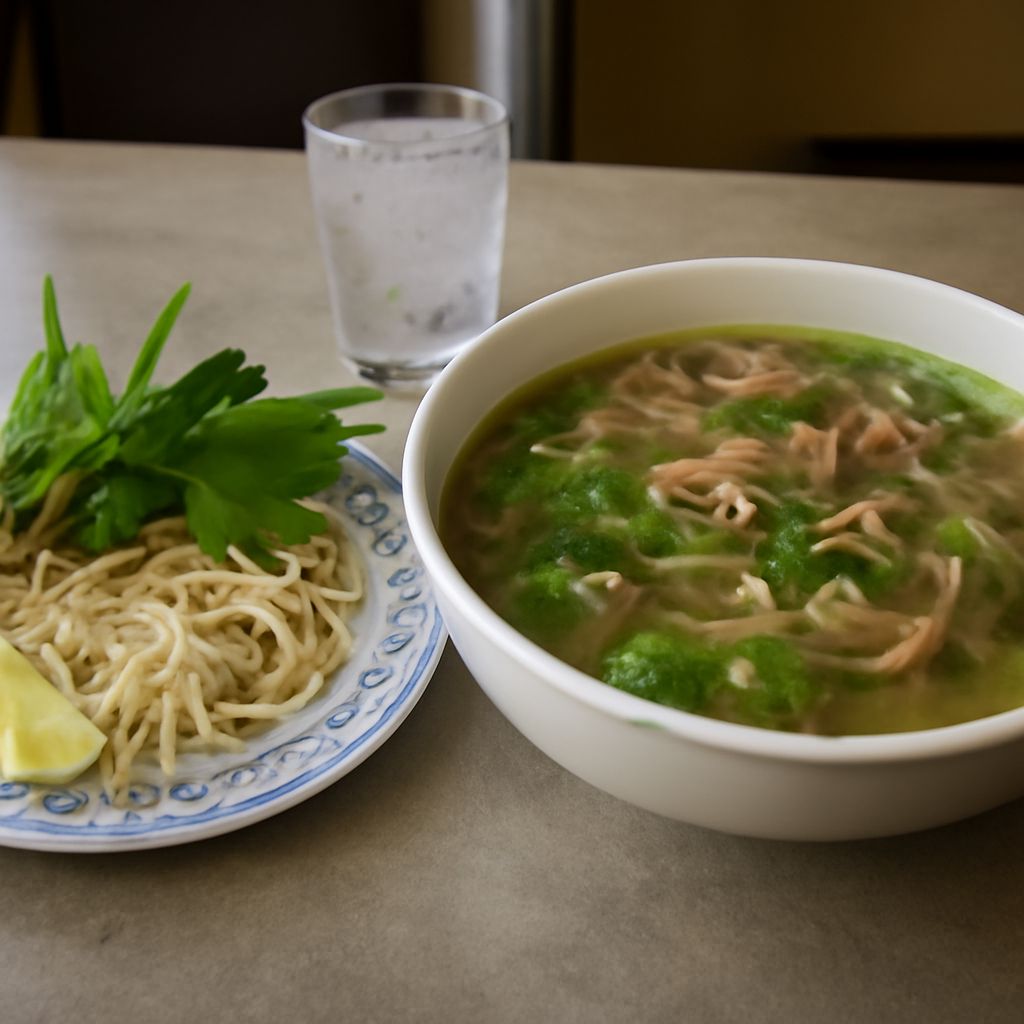
A medium-sized bowl of beef pho (approximately 500–600 ml of broth, 100 grams of dry noodles cooked, and 85–110 grams of protein) averages 400–500 calories at a standard restaurant. Small bowls run 300–380 calories. Large bowls — the 32-ounce servings common at American Vietnamese restaurants — can reach 600–750 calories before you add any table condiments. Chicken pho runs about 10–15% lower in calories than beef pho because the protein is leaner and the broth typically uses less fat. Vegetarian pho, depending on tofu quantity and noodle volume, sits between 300 and 450 calories per medium serving.
How Broth Type and Protein Change the Numbers
Beef bone broth pho starts with marrow-rich bones simmered for 12–24 hours, which produces a broth with natural fat that varies between 15 and 50 calories per cup depending on how thoroughly it’s skimmed. Chicken pho broth is typically 10–20 calories per cup. The protein choices matter considerably: rare beef slices add about 90–110 calories per 3-ounce serving with minimal fat. Beef brisket is richer — roughly 150–180 calories per 3 ounces. Beef meatballs, often underestimated, carry 60–80 calories each and restaurants typically serve three to five per bowl. Tripe is lower in calories but rarely a concern since most diners skip it.
The Hidden Calories in Pho Toppings and Sauces
The fresh side plate — bean sprouts, basil, lime, jalapeños — adds very few calories, maybe 15–20 total. The problem arrives at the table condiments. Hoisin sauce delivers roughly 35 calories per tablespoon, and most people use two to three. Sriracha is about 5 calories per teaspoon. Fish sauce, used for salt, is nearly calorie-free. Chili oil or garlic oil added at some restaurants carries 40–50 calories per teaspoon. If you add two tablespoons of hoisin and a tablespoon of chili oil, you’ve added 110–120 calories to a bowl before eating the first spoonful.
Small vs. Large Portion Differences
American Vietnamese restaurants often size their bowls dramatically differently than the original Vietnamese serving sizes. The “small” at a Vietnamese restaurant in the US may already be larger than what’s served in Vietnam. Noodle quantity is the biggest variable within a single restaurant: a small bowl might contain 65–70 grams of dry rice noodles (about 235 calories in noodles alone) while a large uses 130–140 grams (470 calories in noodles). When estimating, assume noodles contribute roughly half the calories in a standard bowl — adjusting that one component gives you the most meaningful calorie lever to work with.
How Pho Compares to Other Restaurant Dishes
A medium beef pho at 450 calories compares favorably to most restaurant alternatives: a plate of chicken pad thai runs 700–900 calories, a regular beef ramen averages 600–900 calories (due to richer broth and tare), and a standard burrito bowl with rice lands around 700–1,000 calories. Pho’s high water content from the broth also contributes to satiety, making it a relatively filling option per calorie. If you’re eating out with calorie awareness, pho — particularly chicken or vegetable versions with light condiment use — is among the more sensible choices at comparable restaurants.
Tips to Order Pho with Fewer Calories
Ask for the noodles on the side and add them gradually rather than receiving a full portion already in the bowl. Choose leaner proteins — rare beef, chicken breast, shrimp — over brisket and meatballs. Request extra broth instead of extra noodles to increase bowl volume without the caloric cost. Go light on hoisin sauce or skip it entirely; the broth has enough flavor on its own, especially with fresh lime squeezed in. Load up on bean sprouts and fresh basil from the garnish plate — both are low in calories and high in volume. These adjustments can reduce the calorie count by 150–250 calories without meaningfully affecting satisfaction.
How to Estimate Pho Calories When No Data Is Available
Use this framework: broth (30–60 calories per cup, estimate 2 cups), noodles (200–250 calories for a medium serving), protein (100–150 calories for lean options, 150–200 for fatty cuts), toppings added at the table (50–120 calories if you use sauces). Add those ranges together: the minimum estimate for a lean, lightly sauced bowl is around 380 calories; the maximum for a large bowl with brisket and liberal hoisin is around 750 calories. For calorie tracking apps, logging “beef pho, medium, restaurant” and selecting entries near 450–500 calories is a reasonable approximation for most restaurant servings.
Key takeaways: A medium bowl of pho runs 400–500 calories for most beef varieties, with chicken pho running about 10–15% lower. Noodle quantity and table sauces are the variables most within your control when ordering, and adjusting those two factors alone can change the caloric total by 150–250 calories.