Mons Pubis Fat and Male Fat Pad: How to Lose Fat Around the Pubic Area
This is a topic many people search for but few discussions address directly. Mons pubis fat in women and the male fat pad, or prepubic fat, in men are areas of subcutaneous adipose tissue that accumulate over the pubic bone. If you have fat mons tissue that bothers you, or you’re a man looking for information on how to lose fat around penis area, you’re asking a legitimate anatomical and health question that deserves a clear, clinical answer. This fat is real, it responds to the same interventions as fat elsewhere in the body, and there are both non-surgical and surgical options available depending on the degree of concern.
The term male fat pad describes subcutaneous fat that sits above the pubic symphysis, which can partially obscure penile shaft length. Men searching for how to lose fat around the penis are typically asking about this fat pad specifically. For women, a fat mons pubis is the accumulation in the mons pubis region above the pubic bone, which can become more prominent with weight gain, hormonal changes, or after pregnancy. Both conditions respond primarily to overall body fat reduction rather than targeted local treatment.
What Causes Mons Pubis Fat Accumulation
The mons pubis is a fatty mound of tissue that sits over the pubic bone in women. Estrogen directs adipose tissue to accumulate in this region as a natural protective cushion. Weight gain amplifies this deposition because fat cells in the mons pubis region enlarge along with those elsewhere in the body. After pregnancy or significant weight fluctuation, the skin in this area may also lose elasticity, contributing to the appearance of excess tissue beyond the fat volume itself. Hormonal changes during perimenopause and menopause also shift fat distribution, sometimes increasing mons pubis fat even without significant overall weight gain.
The Male Fat Pad: Anatomy and Effects
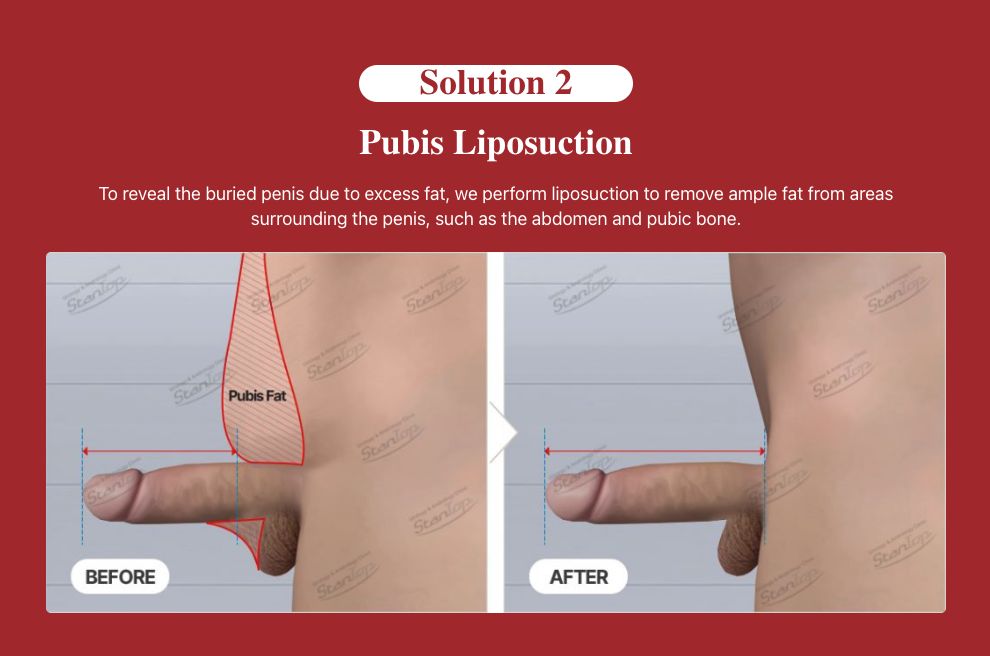
The male fat pad sits directly over the pubic symphysis. Its size is determined primarily by overall body fat percentage, with the pad growing as total adiposity increases. At higher body fat levels, typically above 25 to 30 percent for men, this fat pad can become substantial. Beyond aesthetics, a large prepubic fat deposit creates the visual impression of reduced penile length because the base of the shaft is buried in surrounding tissue. This is not a physiological size change; it’s a measurement artifact. Studies confirm that penile length itself does not change with weight loss, but the visible shaft length increases as the surrounding fat pad reduces. Most men report a gain of half an inch to one inch of visible length per 30 to 35 pounds of total body fat lost.
How to Lose Fat Around the Pubic Area Through Diet and Exercise
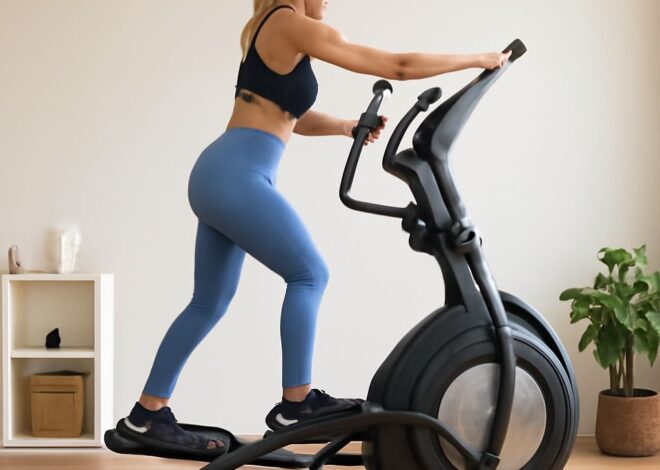
Spot reduction is not possible for this or any body region. The male fat pad and mons pubis fat both decrease as overall body fat decreases. The most effective approach is a caloric deficit of 300 to 500 calories per day combined with resistance training and cardiovascular exercise. Abdominal and lower body exercises strengthen the surrounding muscles but do not preferentially reduce fat in the pubic area. Men typically see visible change in their fat pad when total body fat drops below 20 percent. Women with mons pubis fat accumulation typically see reduction between 20 and 25 percent total body fat. Both targets require consistent effort over 12 to 24 weeks for most people starting from higher percentages.
Surgical and Non-Surgical Procedures
For individuals who have achieved a healthy weight but still have disproportionate mons pubis fat or male fat pad due to genetics or skin laxity, cosmetic procedures offer additional options. Liposuction of the pubic area is a common procedure that takes 30 to 60 minutes under local anesthesia and removes 200 to 500cc of fat depending on the degree of concern. Recovery takes 2 to 4 weeks. Monsplasty, a surgical procedure that removes excess fat and sometimes skin from the mons region, addresses both fatty tissue and laxity. Cost runs $3,000 to $8,000 depending on the surgeon and scope. Non-surgical options like CoolSculpting can address small volumes of mons pubis fat but require 2 to 3 sessions and produce more modest results than liposuction.
Realistic Expectations and Timeline
If you’re asking how to lose fat around the penis or mons pubis through lifestyle changes, expect a timeline of 3 to 6 months of consistent dieting and exercise before meaningful visual change appears in those specific areas. Fat distribution patterns mean that many people lose fat from the face, arms, and chest before the lower abdominal and pubic regions follow. Patience and sustained effort are the requirements. Monitor progress with photos and circumference measurements rather than relying solely on scale weight. For individuals with loose skin after significant weight loss, the skin component may require surgical correction even after achieving an ideal body fat percentage.
Next steps: Begin with a caloric deficit and resistance training program targeting overall body fat reduction. Track progress monthly with measurements and photos. If you reach a healthy body fat percentage and are still dissatisfied with the mons pubis or prepubic fat area, consult a board-certified plastic surgeon for a liposuction consultation. Surgical options provide reliable results for people who have already done the lifestyle work.