Where Does the Second Step of Protein Synthesis Occur?
Imagine you’re sitting at your kitchen table, a protein synthesis review worksheet sprawled out in front of you, with your mind wandering over the intricate dance of molecules within your cells. You’ve just finished a hearty breakfast that included exactly 25 grams of protein, satisfying your body’s immediate needs. Now, you’re eager to dive into the world of proteins and their synthesis, specifically pondering where the second step of this vital process occurs. As you sip your coffee, you’re determined to enhance your understanding of the building blocks of proteins and how this knowledge can fuel your journey towards optimal health.
Perhaps, you’ve often wondered: How much protein do you really need? Or, what is the biological value of protein you consume each day? These questions are not just academic wanderings but pivotal inquiries that shape your daily nutrition intake. Armed with curiosity and a proactive mindset, you’re ready to explore the answers.
Understanding Protein Synthesis
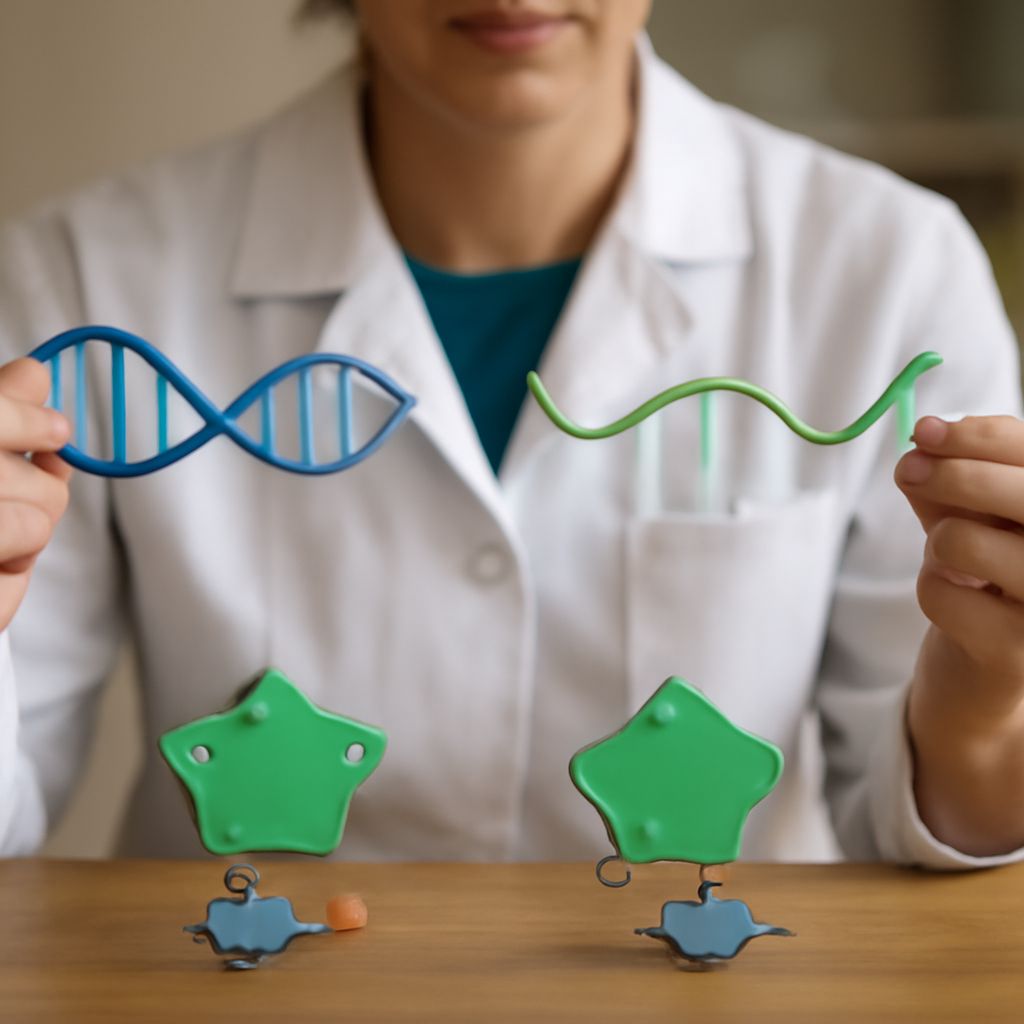
Protein synthesis is a fascinating biological process that occurs within every cell of your body. This intricate mechanism involves two main stages: transcription and translation, each playing a critical role in converting genetic information into functional proteins. During transcription, your DNA serves as a template to produce messenger RNA (mRNA), a molecule that exits the nucleus and enters the cytoplasm.
In the second step, translation, the mRNA works with ribosomes and transfer RNA (tRNA) to assemble amino acids into a polypeptide chain. This chain folds into a specific three-dimensional structure, forming a complete protein. Understanding these steps empowers you to appreciate the complexity and precision of protein synthesis in living organisms.
Where Does the Second Step of Protein Synthesis Occur?
The second step of protein synthesis, known as translation, takes place in the cytoplasm of a cell. This cellular fluid, which surrounds the nucleus, is rich with ribosomes, the molecular machines responsible for building proteins. These ribosomes can either float freely in the cytoplasm or be attached to the endoplasmic reticulum, forming what is known as the rough ER.
During translation, ribosomes read the mRNA sequence and, with the help of tRNA molecules, link amino acids in the correct order. The cytoplasm, therefore, acts as the stage where the genetic instructions are transformed into tangible protein structures, essential for countless cellular functions.
How Much Protein Do You Really Need?
Determining your daily protein requirement is crucial for maintaining optimal health. The amount of protein you need can vary based on factors like age, sex, and physical activity level. On average, a sedentary adult should aim for a minimum of 0.8 grams of protein per kilogram of body weight. This equates to about 56 grams per day for the average man and 46 grams for the average woman.
For those engaging in regular physical activity or strength training, protein needs may increase to support muscle repair and growth. It’s essential to balance your protein intake with other nutrients, ensuring a holistic approach to your diet.
Exploring the Biological Value of Protein
The biological value (BV) of protein is a measure of how efficiently your body can utilize the protein you consume. Proteins with a high biological value, such as eggs and dairy products, contain all the essential amino acids in proportions that closely match human requirements, making them particularly effective at promoting growth and repair.
In contrast, plant-based proteins often lack one or more essential amino acids. However, combining different plant proteins, like beans and rice, can create a complete amino acid profile. Understanding the biological value helps you make informed choices about the protein-rich foods you include in your diet.
The Building Blocks of Proteins: Amino Acids
Amino acids, the building blocks of proteins, are organic compounds that play a critical role in nearly every physiological process. There are 20 different amino acids, nine of which are essential, meaning your body cannot produce them and must obtain them through diet.
Each amino acid structure consists of a basic amino group, an acidic carboxyl group, and a unique side chain, which distinguishes one amino acid from another. They link together during protein synthesis, forming long chains that fold into specific shapes, ultimately determining the protein’s function.
Using a Protein Synthesis Review Worksheet
Leveraging a protein synthesis review worksheet is an effective way to reinforce your understanding of this biological process. These worksheets often feature diagrams, sequence matching exercises, and questions that test your comprehension of transcription and translation.
As you work through the worksheet, pay attention to the details, such as the role of mRNA and tRNA, and the importance of the ribosome’s function. Revisiting these exercises can solidify your grasp of protein synthesis, enriching your knowledge and appreciation of cellular biology.
Next Steps: To maintain and deepen your understanding of protein synthesis, consider incorporating regular review sessions using various educational resources. Engage with interactive models, attend workshops, or collaborate with peers to discuss and explore different aspects of protein biology. These practices will ensure a robust grasp of protein functions and their critical role in your health.
Related Posts

Oh Yeah Protein: A Comprehensive Guide

37 Calorie Brownies: A Deliciously Healthy Treat