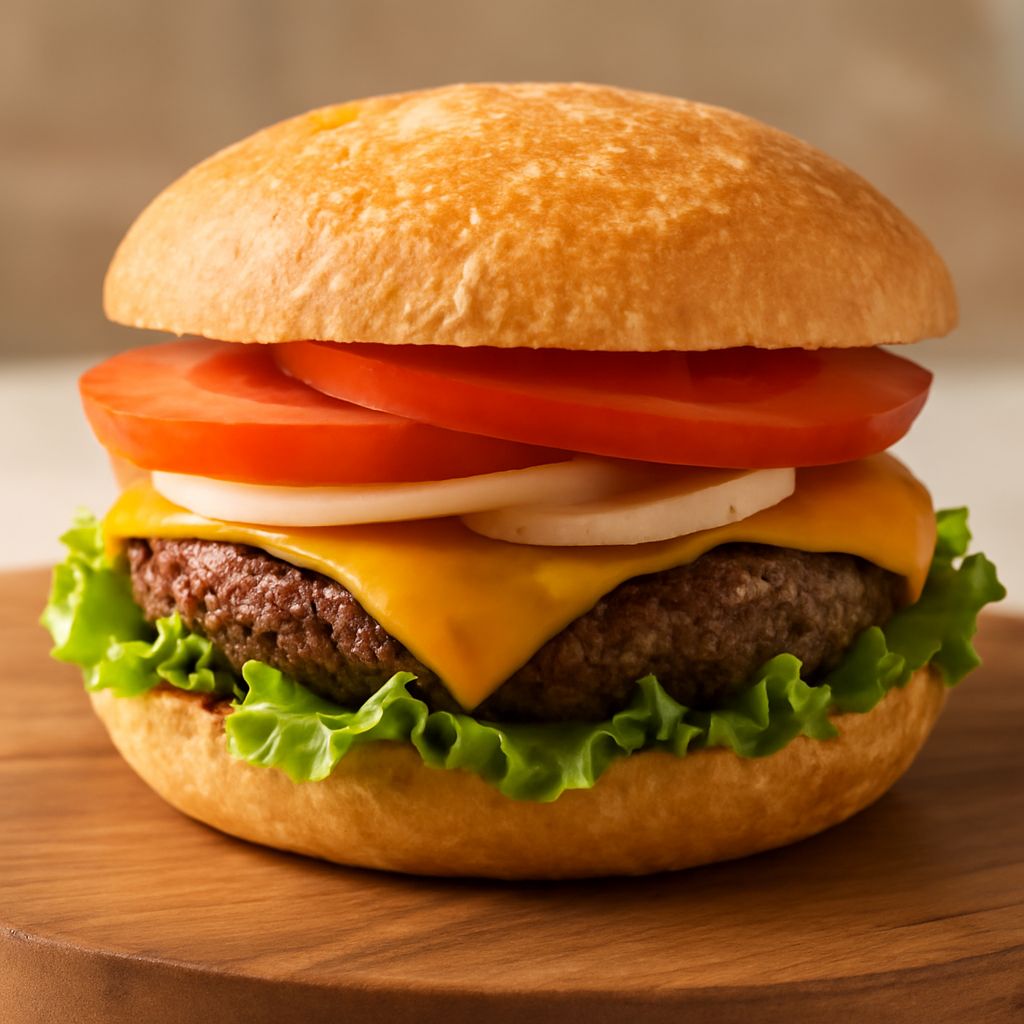
Beef Patty Calories: Understanding Your Burger’s Nutritional Value
Imagine you’re in your kitchen, craving the delicious aroma of a freshly grilled burger. You’ve got your favorite beef patty ready to sizzle, fresh lettuce, juicy tomatoes, and perhaps a slice of cheese or two. As you assemble your homemade burger, a thought crosses your mind: “How many calories does this delightful creation hold?” Understanding the caloric content of your beef patty and other components is essential, especially if you are mindful of your calorie intake. Whether you’re crafting a burger masterpiece or simply seeking a healthier meal option, knowing the nutritional value can empower you to make informed dietary choices.
Introduction to Beef Patty Calories
Why Counting Calories Matters
Counting calories is crucial for anyone aiming to maintain or achieve a healthy lifestyle. It helps in managing weight and ensures that you consume the right amount of energy for your body’s needs. Understanding how many calories are in a homemade burger can provide clarity on how it fits into your daily nutritional goals.
Components of a Beef Patty
A beef patty is primarily made from ground beef, which is rich in protein and fat. However, the calorie count can vary depending on the fat content of the ground beef used. In addition to the beef, consider the calories from any seasonings or binders like breadcrumbs or eggs that might be added.
How Many Calories in a Homemade Burger?
Breaking Down the Ingredients
To determine the calories in a homemade burger, you need to consider each component individually. The bun, patty, cheese, and condiments all contribute to the total calorie count. For instance, a standard beef patty might contribute around 250-300 calories alone, while the bun could add another 120-150 calories.
Comparing Store-Bought vs. Homemade
Store-bought burgers often have higher calorie counts due to added preservatives and oils. In contrast, homemade burgers allow you to control portion sizes and ingredient quality, often resulting in healthier options with fewer calories.
Factors Affecting Homemade Burger Calories
Type of Beef Used
The type of beef used significantly impacts the calorie content of your burger. Lean beef, such as 90% lean ground beef, contains fewer calories than regular ground beef. For example, a 3-ounce serving of lean ground beef contains approximately 150 calories, whereas a higher fat content beef can exceed 200 calories.
Cooking Methods Impact
The method used to cook your beef patty also affects its calorie count. Grilling allows excess fat to drip away, reducing the calorie content of the final product. In contrast, frying in oil can increase calories due to the absorption of fats.
Additional Ingredients
Additional toppings and condiments, such as cheese, bacon, and sauces, can significantly increase the total calorie count. Each slice of cheese can add around 70-100 calories, while condiments like mayonnaise can contribute an additional 90 calories per tablespoon.
Calculating Beef Burger Calories at Home
Step-by-Step Calorie Calculation
Begin by weighing each ingredient, including the beef patty, bun, and toppings. Refer to nutritional labels or databases to find the calorie content per gram or serving size. Add these numbers together to get an estimate of your burger’s total calorie content. For example, if your patty weighs 85 grams and contains 250 calories per 100 grams, your patty contributes around 213 calories.
Using Online Tools for Accuracy
Numerous online calculators are available that can help simplify the process of determining your burger’s calorie content. Input the weight and type of each ingredient to get a precise measurement. These tools can be especially helpful when using complex recipes or multiple toppings.
Tips for Reducing Homemade Hamburger Calories
Healthier Ingredient Alternatives
Opt for whole-grain buns instead of white buns to increase fiber content and lower calorie intake. Substitute regular cheese with low-fat versions, and consider using lettuce wraps instead of traditional buns. Additionally, incorporating vegetables like mushrooms or zucchini into the patty mix can bulk up the burger without adding many calories.
Portion Control Tips
Watch your portion sizes by using smaller buns and making thinner patties. Consider using a food scale to ensure consistent portion sizes, and avoid piling on excessive amounts of high-calorie toppings.
Conclusion: Making Informed Choices
Balancing Taste and Health
Creating a delicious homemade burger while being mindful of calories is all about balancing taste and health. By selecting lean beef, controlling portions, and choosing nutrient-dense ingredients, you can enjoy a satisfying meal without compromising on flavor.
Final Thoughts on Calorie Awareness
Understanding the caloric content of your homemade burger empowers you to make smarter dietary choices. Whether you are aiming to lose weight, maintain a healthy lifestyle, or simply enjoy your food more mindfully, being aware of calories is key.
Next steps: Practice calculating the calories in your homemade meals regularly. Use this knowledge to experiment with different ingredients and cooking methods to create healthier versions of your favorite dishes.