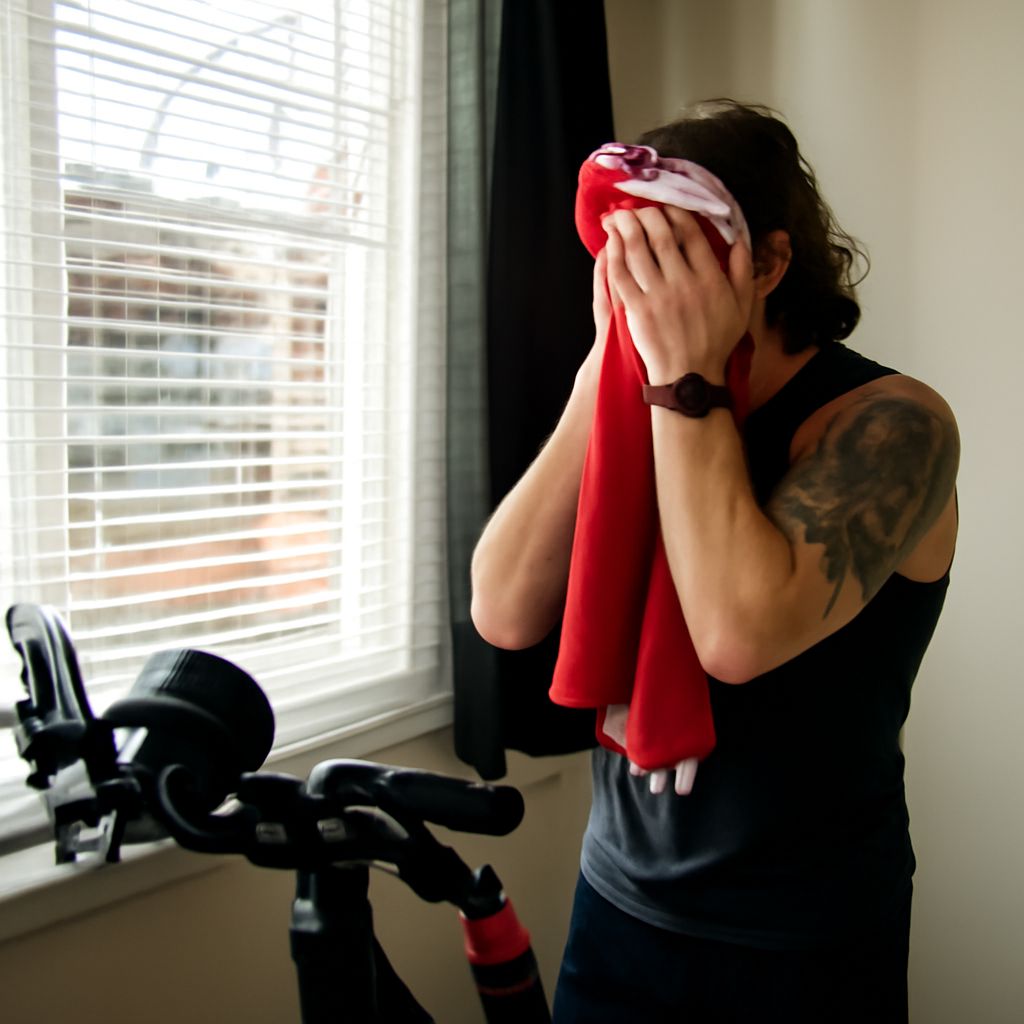
Does Sweating Burn Calories? Unveiling the Truth
Imagine this: you’re halfway through a vigorous workout, beads of sweat cascading down your face. You feel accomplished, thinking that every drop is a testament to your hard work and calorie burn. “Does sweating burn more calories?” you wonder, as you wipe your brow and push through the last set. You’ve heard conflicting advice about how many calories sweating actually burns and whether it can significantly contribute to weight loss. The truth may surprise you.
Gain a deeper understanding of how sweat relates to calorie expenditure and discover whether you should rely on sweating to enhance your fitness journey. From breaking down common myths to evaluating the science, let’s explore the intricate relationship between sweat and calorie burn.
Understanding the Science Behind Sweating and Calorie Burn
Sweating is your body’s natural cooling mechanism. When your internal temperature rises during physical exertion, sweat glands release moisture to the skin’s surface. As this moisture evaporates, it cools your body, maintaining homeostasis. However, the act of sweating itself doesn’t directly burn calories. Instead, calorie expenditure primarily occurs from the physical activity that induces the sweat.
For instance, during a run, your body burns calories as muscles engage and energy is used. The sweat that follows is a byproduct of this exertion, not a direct indicator of calories burned. Understanding the distinction between sweat and calorie burn is crucial for setting realistic fitness goals.
Does Sweating Burn More Calories? Debunking Common Myths
A popular myth is that the more you sweat, the more calories you burn. This misconception stems from the visible nature of sweat—an easy, yet inaccurate, measure of exertion. While increased perspiration can indicate high effort levels, it’s the activity itself, not the sweat volume, that determines calorie burn.
Another myth suggests that wearing heavy clothing to increase sweat will enhance calorie burn. In reality, this practice only increases dehydration risk without affecting the number of calories burned. Effective calorie burning relies on activity intensity and duration, not the amount of sweat produced.
How Many Calories Does Sweating Burn? A Look at the Numbers
Quantifying the calories burned solely through sweating is challenging, as the sweat itself does not contribute directly to energy expenditure. However, the activities that cause sweating, such as running or cycling, are where calorie burn is measurable.
The actual number of calories burned depends on several factors, including body weight, exercise intensity, and duration. For example, a 150-pound individual might burn approximately 400 calories in 30 minutes of running, independent of the sweat generated. Thus, focusing on the exercise intensity is more crucial than the sweat output.
Factors Affecting Calorie Burn: Sweat, Exercise, and Environment
Several factors influence how many calories you burn during exercise. The exercise type and intensity are primary contributors. High-intensity workouts, like HIIT, increase calorie expenditure more than moderate activities.
Environmental conditions also play a role. Exercising in hot or humid conditions can lead to increased sweating but doesn’t necessarily equate to more calories burned. It’s the body’s attempt to regulate temperature, not a marker of energy expenditure. Additionally, individual fitness levels and metabolic rates affect overall calorie burn.
Maximizing Calorie Burn Without Relying on Sweat
To maximize calorie burn, focus on optimizing workout intensity and duration rather than sweat production. Incorporate strength training with aerobic exercise for a balanced approach. Resistance exercises build muscle, increasing resting metabolic rate, which contributes to higher calorie burn even post-workout.
Interval training, which alternates between high and low intensity, is effective for maximizing calorie expenditure. By challenging your body in varied intervals, you can enhance your overall fitness levels and burn more calories efficiently.
Practical Tips to Enhance Your Calorie Burning Potential
Enhance your calorie burn with these practical tips:
- Vary your workouts: Mixing different types of exercises keeps your body adapting, which can lead to increased calorie expenditure.
- Monitor intensity: Use a heart rate monitor to ensure you’re working at an optimal level for caloric burn.
- Stay hydrated: Proper hydration supports metabolic function and performance, contributing to effective calorie burning.
- Fuel efficiently: Eating nutritious meals before and after workouts can enhance performance and recovery, indirectly affecting calorie burn.
- Prioritize rest: Adequate sleep and rest days are essential for muscle recovery and maintaining a high metabolic rate.
Safety Recap: When focusing on calorie burn, prioritize safety by staying hydrated and avoiding the temptation to equate sweat volume with success. Remember, effective calorie burning is about the quality and intensity of the workout, not just the sweat it generates.