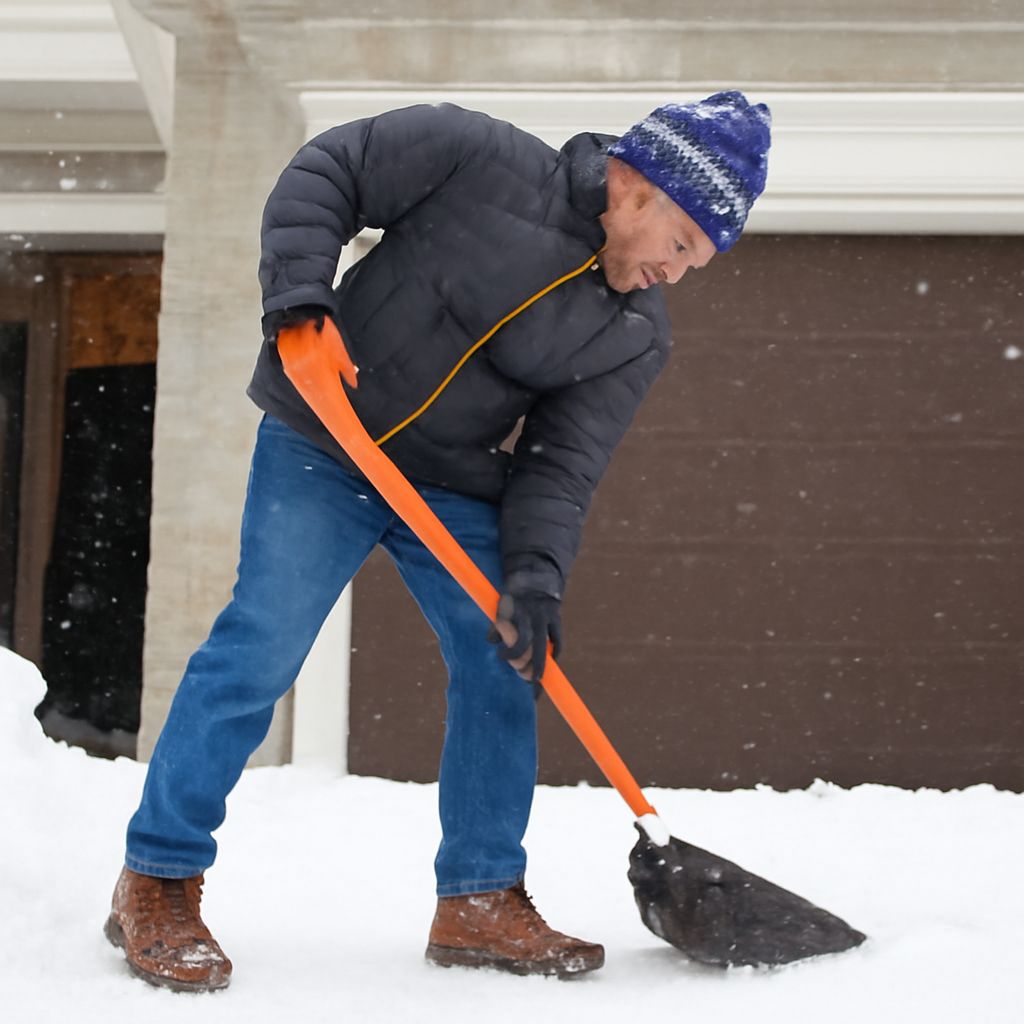
How Many Calories Does Shoveling Snow Burn? Real Numbers by Weight and Intensity
It’s 6 AM, you’ve got eight inches of overnight snow on the driveway, and your fitness tracker is about to get an unexpected workout. How many calories does shoveling snow burn compared to a gym session? More than most people assume. Shoveling engages your legs, core, back, and arms simultaneously — it’s a full-body resistance and cardiovascular effort, especially when the snow is wet and dense. The average adult burns between 250 and 600 calories per hour depending on body weight, snow conditions, and pace. That’s comparable to a moderate rowing session or a steady cycling effort.
Understanding how many calories do you burn shoveling snow helps you decide whether it counts as today’s workout or whether you still need to hit the gym. Knowing how many calories burned shoveling snow accumulate over a 30- or 45-minute session also matters for anyone logging activity for weight management. The variables that determine calories shoveling snow are straightforward once you know which ones drive the biggest differences — and this guide covers every factor that shapes calories burned snow shoveling in real conditions.
Calorie Burn Estimates by Body Weight
MET (metabolic equivalent of task) values for shoveling snow range from 5.0 to 6.0 for moderate effort and up to 7.0 for vigorous shoveling with heavy, wet snow. Using the standard formula (METs × body weight in kg × hours), here are realistic per-hour estimates: a 130-pound (59 kg) person burns approximately 295–413 calories per hour; a 155-pound (70 kg) person burns 350–490 calories; a 180-pound (82 kg) person burns 410–574 calories; and a 205-pound (93 kg) person burns 465–651 calories per hour. These figures assume continuous shoveling without extended breaks. Real sessions involve rest pauses, which reduce the actual total by 20–30%.
How Intensity and Snow Type Change the Numbers
Dry, fluffy snow weighs about 7 pounds per cubic foot and moves easily — your effort per shovelful is low, which reduces calorie burn per minute. Wet, heavy snow can weigh 20 pounds per cubic foot, requiring significantly more muscular force per lift and producing a higher metabolic demand. Ice or packed snow requires chipping motions that spike heart rate into moderate-to-vigorous zones. Working at a pace that keeps your heart rate between 65–75% of maximum (typically 125–145 bpm for a 40-year-old) maximizes calorie expenditure while keeping the effort sustainable. Racing through the job at very high intensity burns more calories per minute but carries elevated cardiac strain, particularly for sedentary adults.
Duration: How Long You Shovel Matters Most
Total calorie expenditure scales almost linearly with duration at a given intensity. A 155-pound person shoveling moderately for 20 minutes burns approximately 117–163 calories. At 30 minutes, that becomes 175–245 calories. At 45 minutes, 263–368 calories. An hour-long session producing 350–490 calories is comparable to a 45-minute moderate cycling class. The practical implication: if you’re trying to decide whether your shoveling session “counts” as cardio, a full 30–45 minutes of steady effort at moderate intensity qualifies for most people’s fitness standards, both in calorie expenditure and cardiovascular demand.
Shoveling vs. Other Common Winter Activities
Cross-country skiing burns 450–600 calories per hour at moderate pace — similar to vigorous shoveling. Downhill skiing burns 300–450 calories per hour (most of it is waiting on lifts). Ice skating at a recreational pace burns 300–450 calories per hour. Snowshoeing at moderate pace produces 400–600 calories per hour. Shoveling competes well with all of these when conditions demand vigorous effort, and it has the practical advantage of being something you have to do anyway. It doesn’t, however, replace structured aerobic training for cardiovascular fitness development because the rest pauses and variable pace prevent maintaining the sustained effort zones that build aerobic capacity.
The Cardiovascular Demands of Snow Shoveling
Research has consistently shown that shoveling places disproportionate cardiovascular stress relative to its perceived effort — particularly because cold air increases heart rate by approximately 10 bpm for the same workload compared to warm conditions. Cold also causes peripheral vasoconstriction, increasing blood pressure. Combined with the isometric load of lifting and throwing snow, this creates the cardiac demand pattern that makes shoveling a risk for people with existing cardiovascular disease. For healthy adults, it’s a vigorous but manageable activity; for those over 45 who are sedentary or who have cardiovascular risk factors, a conversation with a physician before the first winter shoveling session is worthwhile.
How to Shovel Safely While Burning More Calories
Grip the shovel with one hand near the blade and one at the handle to reduce lower back strain and allow your legs to do the lifting — which also recruits more large muscle mass and burns more calories. Push snow rather than lifting it when possible; a loaded ergonomic pusher covering a wide swath moves more volume per unit of effort than repeatedly lifting smaller amounts. Take a deliberate 2-minute break every 15 minutes to lower heart rate and avoid sustained peak exertion. Wear layers you can remove as your core temperature rises — overheating while working in cold air impairs performance and increases discomfort, leading to shorter sessions than you’re capable of completing.
Tracking Your Burn With Wearables
Wrist-based heart rate monitors on fitness trackers capture shoveling reasonably well because it produces consistent cardiovascular elevation. Most devices categorize it as “moderate activity” or “high activity” automatically based on heart rate zones. Accuracy varies: Apple Watch and Garmin devices tend to perform within 10–15% of actual calorie expenditure for activities involving arm movement. GPS-based calorie estimates won’t apply since you’re not covering distance — use heart rate-based mode if your device offers the option. Logging the session as “shoveling (heavy snow)” in apps like MyFitnessPal pulls the MET-based estimate if you prefer a manual entry, which is often more accurate than wearable estimates for static-position activities.
Safety recap: Snow shoveling can produce cardiac demands well above what the effort feels like, especially in cold temperatures and for adults who are typically sedentary. Pace yourself, take regular breaks, and stop immediately if you experience chest pressure, jaw pain, shortness of breath out of proportion to effort, or dizziness. Anyone with diagnosed cardiovascular disease or significant risk factors should consult a physician before shoveling heavy snow.
Related Posts

Calories Burned Roller Skating and Other Activities

Kelvin Benjamin Fat: A Fitness Journey