1000 Calories a Day Meal Plan: A 7-Day Guide With Real Meals
You need structure, not just a calorie target. A 1000 calories a day meal plan gives you the specific foods, portions, and timing to make a very low calorie day feel manageable rather than chaotic. Following a 1000 calorie diet plan requires more precision than moderate calorie restriction, because at this level, every food choice has to pull its weight nutritionally. You can’t afford the caloric cost of empty-calorie foods when your total budget is this limited.
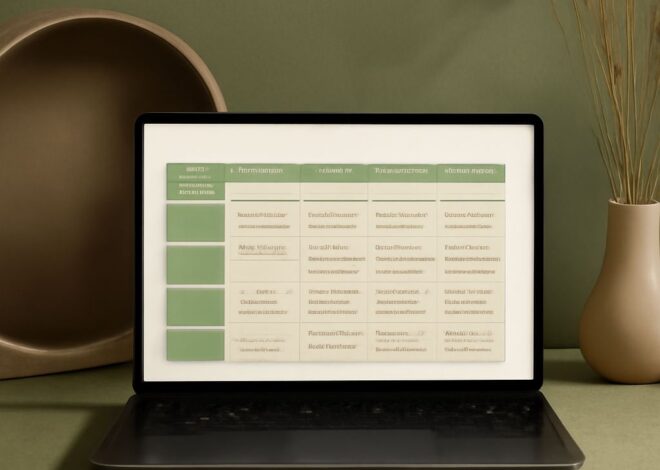
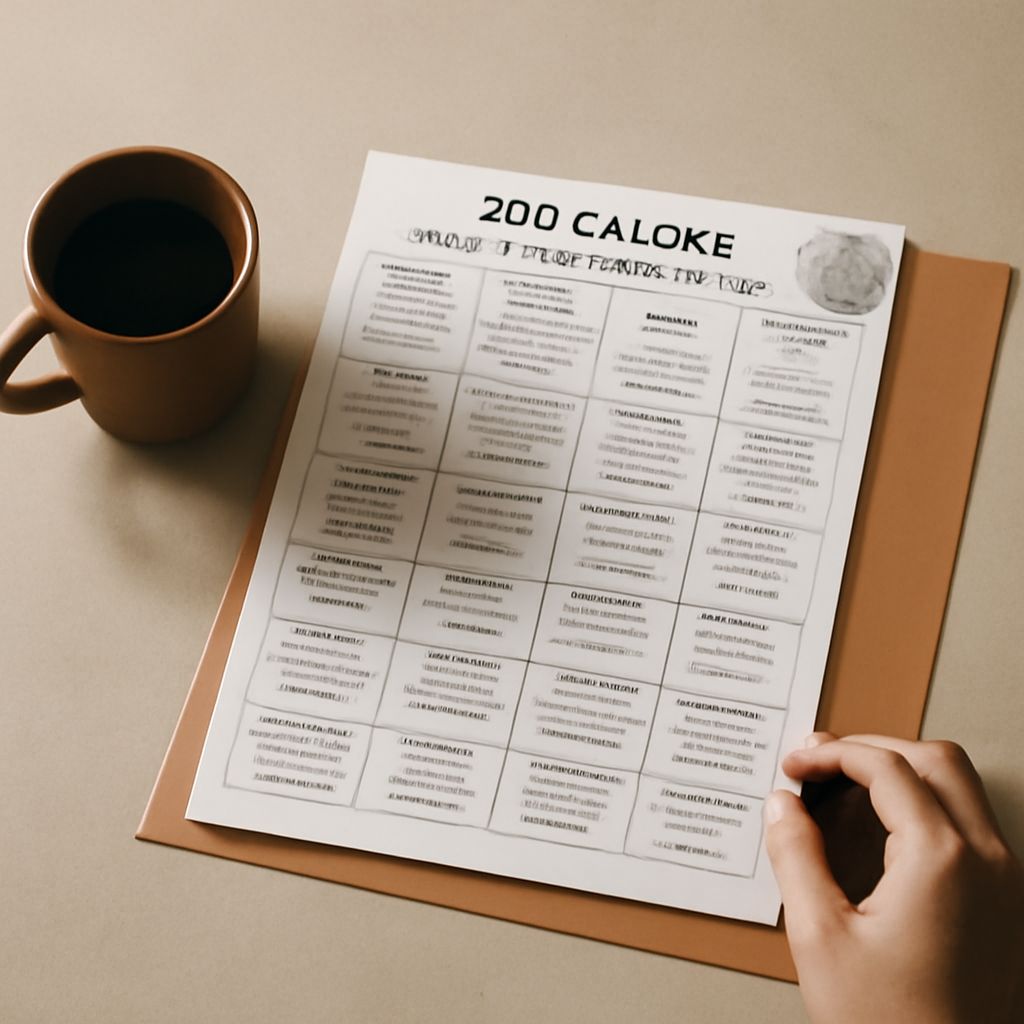
A 1000 calorie diet meal plan works best when built around protein-first eating. Protein costs 4 calories per gram, fills you up faster than fat or carbs, and preserves muscle during the deficit. The 1000 calories a day menu below hits 100 to 120 grams of protein per day. Some people search for a 1000 calorie diet plan pdf to print and follow; the structure below can serve the same purpose, organized into seven repeatable days that rotate protein sources and vegetables to prevent monotony while holding the calorie line.
Day 1
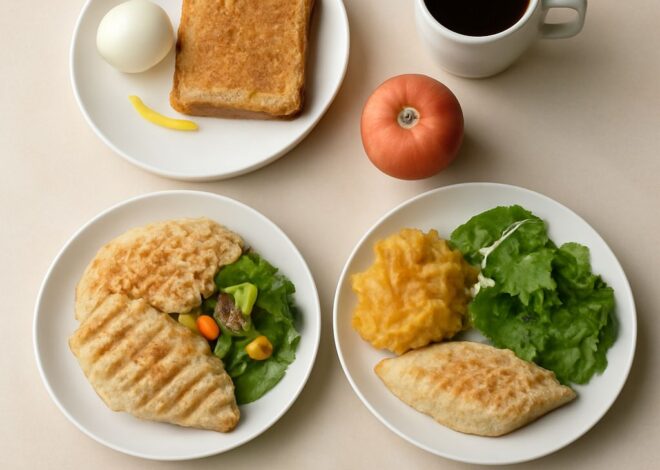
- Breakfast (230 cal): 3 scrambled egg whites + 1 whole egg (100 cal), 1 cup sauteed spinach with garlic (25 cal), 3/4 cup non-fat Greek yogurt (80 cal), black coffee (0 cal).
- Lunch (310 cal): 4oz grilled chicken breast (185 cal), 2 cups mixed salad greens (20 cal), 1/2 cup cucumber slices (8 cal), 2 tbsp apple cider vinegar dressing (15 cal), 1 small apple (80 cal).
- Dinner (360 cal): 5oz baked tilapia (140 cal), 1 cup steamed broccoli (55 cal), 1/2 cup cooked brown rice (110 cal), lemon and herbs (0 cal), 1 cup chicken broth (15 cal).
- Snack (100 cal): 1 cup low-fat cottage cheese (100 cal).
Day 2
- Breakfast (250 cal): 1 cup oatmeal made with water (150 cal), 1 tbsp chia seeds (60 cal), 1/2 cup blueberries (40 cal).
- Lunch (300 cal): 1 can tuna in water, drained (120 cal), 2 cups romaine lettuce (15 cal), 1/2 cup cherry tomatoes (15 cal), 2 tbsp lemon juice and mustard dressing (20 cal), 1 medium orange (65 cal), 5 rice crackers (65 cal).
- Dinner (360 cal): 4oz grilled salmon (160 cal), 1 cup roasted asparagus (40 cal), 1/2 cup quinoa (110 cal), 1 tsp olive oil for cooking (40 cal).
- Snack (90 cal): 3/4 cup non-fat Greek yogurt (90 cal).
Day 3
- Breakfast (220 cal): 2 whole eggs scrambled with cooking spray (140 cal), 1 cup mushrooms sauteed (30 cal), 1 slice whole wheat toast (80 cal) – skip the toast if you had it on Day 1.
- Lunch (330 cal): 1 cup black beans (225 cal) with salsa (20 cal), 2 cups shredded lettuce (10 cal), 1/2 cup diced tomato (18 cal), 2 tbsp non-fat plain yogurt as sour cream substitute (20 cal), hot sauce (0 cal).
- Dinner (340 cal): 5oz baked cod (130 cal), 1 cup roasted zucchini and bell peppers (70 cal), 1/2 cup brown rice (110 cal), herbs and lemon (0 cal).
- Snack (110 cal): 1 cup non-fat cottage cheese (100 cal), 1 celery stalk (10 cal).
Managing the Week
Days 4 through 7 rotate the same protein sources and vegetable combinations with small variations. The pattern is consistent: a high-protein breakfast under 250 calories, a lunch with a protein anchor and raw vegetables under 330 calories, a dinner with a protein source and one complex carb under 370 calories, and a high-protein snack under 100 calories. This structure holds the daily total at 990 to 1010 calories.
Prep proteins on Sunday for the week. Grill four chicken breasts, bake a batch of fish, and hard-boil six eggs. Pre-washed salad greens stored in a container last four to five days. Having food ready removes the decision-making barrier that causes most people to exceed their calorie target when they’re hungry and nothing is prepared.
Hydration and Hunger Management
Drink 2.5 to 3 liters of water daily. Many people confuse thirst with hunger, particularly in the first three days of a significant calorie reduction. Black coffee and unsweetened herbal tea add zero calories and suppress appetite for 30 to 90 minutes after consumption. Schedule meals at set times rather than eating in response to hunger signals alone. At 1000 calories, hunger signals will be present, and eating on a schedule prevents them from driving overeating.
Next steps: Print or save the first three days as your starting template. Rotate fish, chicken, and legumes as your protein anchors on days 4 through 7. Set a two-week endpoint before you begin and plan your transition to a higher calorie intake afterward. Tracking everything in a free app confirms you’re hitting protein targets each day, which is the most critical variable for results and muscle preservation on this plan.