Rendered Duck Fat: Where to Buy It, How to Use It, and Why It Belongs in Your Kitchen
You’ve tasted duck fat roasted potatoes at a restaurant and want to recreate that crust at home. The first question is where to buy duck fat, since it isn’t stocked in every grocery store. Specialty food shops, online retailers, and some warehouse clubs carry it. Rendered duck fat in a sealed jar stays shelf-stable for months and refrigerates for up to a year. If you want duck fat where to buy options near you, a call ahead to butcher shops or French-style delis usually turns up results faster than checking every supermarket aisle.
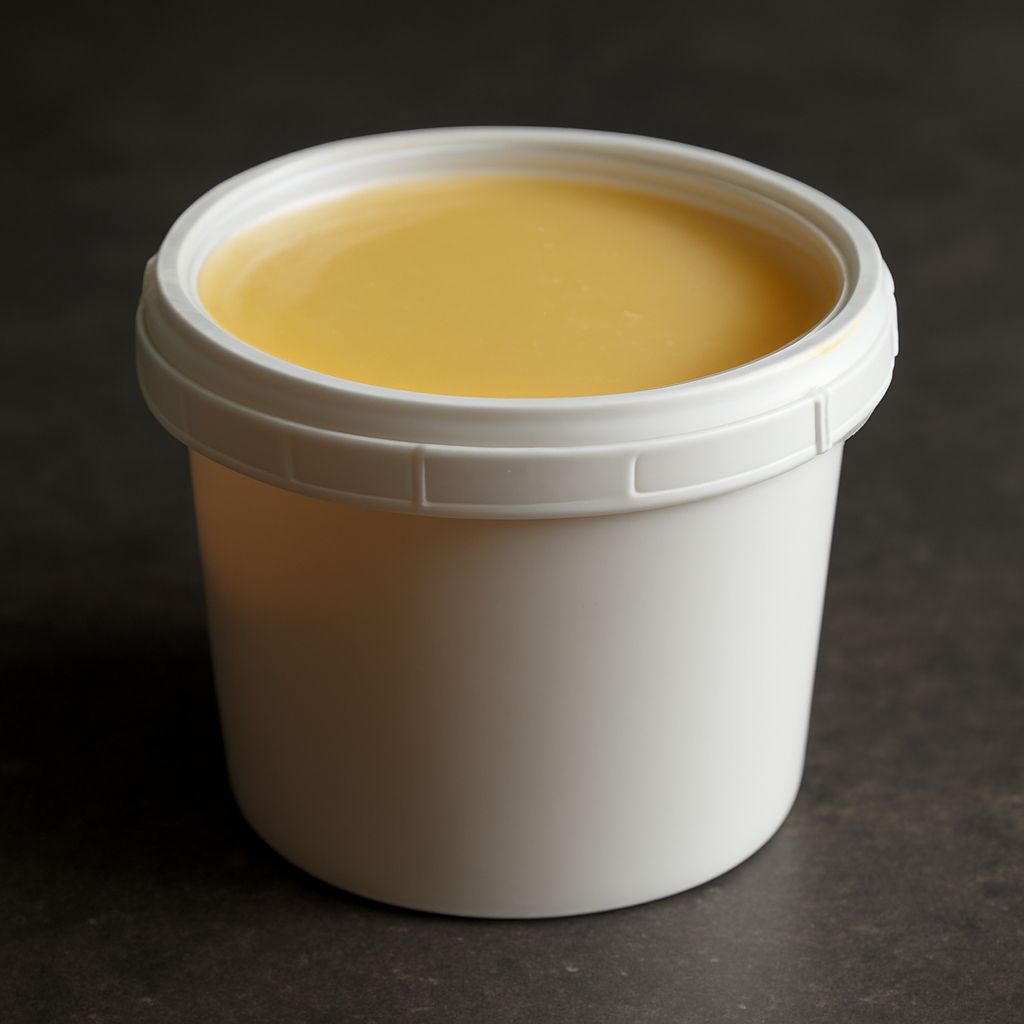
Duck fat for sale exists at multiple price points, from $7 for a small 7-ounce jar to $25 or more for a liter container from a premium brand. If you want to buy duck fat regularly, purchasing in bulk online typically saves 30–40% versus single jars at specialty stores. The rendered fat you source commercially is cleaner and more consistent than home-rendered versions, though both work well.
What Is Rendered Duck Fat?
Duck fat is the rendered subcutaneous fat from ducks, primarily Moulard, Pekin, or Muscovy breeds. Rendering means heating the raw fat slowly until water evaporates and the liquid fat separates from any connective tissue. Commercial rendering is done in stainless steel vats at 200–220°F until the fat runs clear, then filtered and jarred.
The fat profile is predominantly monounsaturated oleic acid (49%), similar to olive oil, with 14% saturated fat and 14% polyunsaturated fat. This balance gives it stability at high heat. The smoke point of duck fat is approximately 375°F, making it suitable for sauteing, roasting, and shallow frying at moderate temperatures.
Where to Buy Duck Fat: Your Best Options
Online retail is the easiest route. Amazon, Dartagnan, Marx Foods, and Fatworks all ship rendered duck fat. Dartagnan is widely respected for French-style charcuterie products and stocks both conventional and organic versions. Orders over a certain threshold often qualify for free shipping, making a 2-pack or liter jar economical.
In stores, Whole Foods carries duck fat in the specialty meat section at most large locations. Trader Joe’s stocks it seasonally near the holidays. Williams-Sonoma and Sur La Table carry it year-round in their food sections. Ethnic grocery stores serving French, Polish, or Hungarian communities often stock duck fat as a staple ingredient alongside smoked meats.
How to Use Rendered Duck Fat in Cooking
Roasted potatoes are the classic application. Parboil halved Yukon Golds for 8 minutes, drain, then toss with 2 tablespoons of duck fat, kosher salt, and thyme. Roast at 425°F for 35–40 minutes, flipping once at the 20-minute mark. The exterior goes shattery-crisp while the inside stays fluffy. No other fat produces the same result at home kitchen temperatures.
Duck fat also works well for searing duck breasts (obviously), cooking confit chicken legs, making hash browns, and finishing risotto. A teaspoon stirred into scrambled eggs just before plating adds a savory richness without the heaviness of butter. You can also use it to season cast iron cookware instead of vegetable shortening for a more flavorful base coating.
Making Your Own Rendered Duck Fat
If you roast a whole duck or buy duck legs, save the raw fat. Score the skin, cut the fat into small pieces, and place in a heavy saucepan over very low heat. After 30–45 minutes the fat liquefies and the small connective tissue pieces (called grattons or cracklings) brown and float. Strain through a fine mesh sieve into a glass jar. Cool completely before sealing.
Home-rendered fat tastes slightly more gamey than commercial versions because of residual blood and protein. Rinse the raw fat pieces in cold water before rendering and the finished product comes out cleaner and lighter in color. Store in the refrigerator for 6 months or freeze for up to a year.
Key Takeaways
Duck fat for sale is accessible online and in specialty stores, with online bulk buying offering the best value. Rendered duck fat has a favorable fat profile similar to olive oil and a smoke point of 375°F, making it versatile in the kitchen. Whether you buy duck fat from a premium retailer or render your own from roasting scraps, the result transforms roasted vegetables and seared proteins in a way that other cooking fats cannot match.
Related Posts

Lipedema or Just Fat: Understanding the Difference

Kung Hee Fat Choy: Exploring Nutrition and Fitness