Fat Transfer to Butt: What to Expect from a BBL
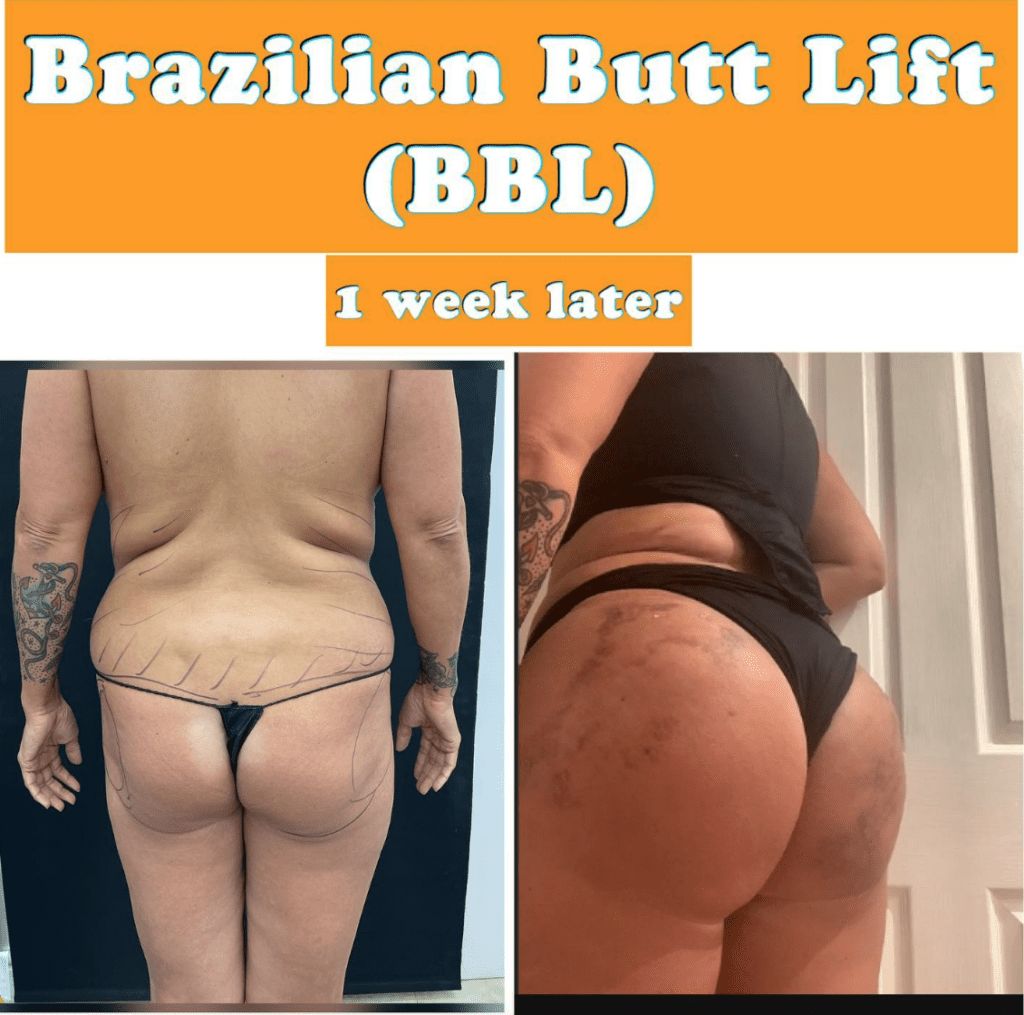
Fat transfer to butt procedures—commonly called a Brazilian Butt Lift or BBL—have become one of the most sought-after cosmetic surgeries globally. Fat transfer from stomach to buttocks involves liposuction of donor areas like the abdomen, flanks, and thighs, followed by purification and reinjection of the harvested fat into the gluteal region. Fat transfer to buttocks creates a more natural result than implants because the volume comes from your own tissue. Fat transfer buttocks outcomes vary based on surgeon technique, patient anatomy, and how much fat is retained after the healing process. Butt fat injections require specific positioning restrictions during recovery to protect the viability of injected fat cells, and the safety considerations are significant enough to warrant careful surgeon selection.
How the procedure works
The BBL is performed under general anesthesia and typically takes two to four hours depending on the volume of fat harvested. The surgeon performs liposuction at multiple donor sites, usually the abdomen, lower back, flanks, and thighs. The harvested fat is processed by centrifuge to separate viable fat cells from blood, oil, and damaged tissue. The purified fat is then injected through small cannulas in multiple layers at different depths throughout the gluteal fat and muscle layers. Injection depth matters significantly for safety: injecting into or beneath the gluteal muscle carries a risk of fat embolism—the most serious complication of the procedure.
Safety considerations
The BBL has had a historically higher complication rate than most cosmetic procedures. The primary risk—pulmonary fat embolism from injection near gluteal veins—has been reduced significantly by updated technique guidelines requiring injections to remain superficial to the gluteal muscle. In 2018, the American Society of Plastic Surgeons issued guidelines requiring surgeons to inject only subcutaneously (above the muscle). Board-certified plastic surgeons following current guidelines have substantially reduced complication rates. When researching butt fat injections, board certification, facility accreditation, and before-and-after portfolios with realistic outcomes are the minimum criteria for surgeon selection.
Recovery timeline
The most critical aspect of recovery from fat transfer to buttocks is avoiding pressure on the treated area for three to six weeks. Sitting directly on the buttocks compresses the newly injected fat and reduces blood supply to the grafted cells, lowering retention rates. Most patients use a special pillow that transfers sitting weight to the thighs for four to six weeks. Swelling peaks at days three to five and resolves mostly by week four to six, though final results aren’t fully apparent until three to four months post-procedure. Strenuous exercise and direct pressure activities resume at six to eight weeks with surgeon clearance.
Expected results and retention
Fat transfer from stomach to buttocks typically achieves 50 to 70% retention of the injected volume. Surgeons intentionally overfill to account for this reabsorption. Final results stabilize at three to four months. Volume increase depends on how much fat was available to harvest and inject—most patients see a one to two cup size increase in projection. Body weight changes after the procedure affect results: the grafted fat behaves like all other body fat and expands with weight gain or shrinks with weight loss. Maintaining a stable weight within 10 to 15 pounds of the procedure weight preserves results best.
Candidacy and realistic expectations
Good candidates have sufficient donor fat (typically body fat percentage above 20% for women), stable body weight, realistic expectations about achievable volume, and no medical conditions that complicate surgery or healing. Very lean individuals often lack sufficient donor fat—some need to gain 10 to 15 pounds before the procedure to have enough to harvest and graft while leaving donor areas natural. The procedure cannot replicate the results possible with gluteal implants for patients seeking very large volume increases.
Key takeaways: Fat transfer to butt creates natural-looking, permanent results using your own tissue when performed by a board-certified surgeon following current safety protocols. Recovery requires strict avoidance of sitting pressure for four to six weeks. Final results appear at three to four months and are affected by post-procedure weight changes.