Yucca Nutrition: Understanding Cooked Yuca Root
A boiled portion of yuca and a plate of yuca fries begin with the same starchy root, but the oil used for frying changes the calories in the finished dish. When comparing the nutrition of yucca, the name needs attention too: edible yuca is cassava, while yucca is a different group of plants. The nutritional value of yuca below refers to cooked cassava root.
Yuca nutrition: A serving you can measure
For a practical serving, weigh about 3.5 ounces of peeled, boiled and drained cassava, without added oil or salt. That is 100 grams of edible food. The Brazilian Food Composition Table reports approximately 120 calories, 30 grams of total carbohydrate, 1.8 grams of fiber, 0.6 grams of protein and 0.2 grams of fat for this amount.
The same reference lists around 11 milligrams of vitamin C and 100 milligrams of potassium. These values describe one prepared food in a database, so a different variety or cooking method may produce different results. Use the weight after cooking when comparing your plate with these yucca nutrition facts: the weight of raw, unpeeled root is not the same as the portion eaten.
Most of the calories come from carbohydrate, much of it starch. Starch is a form of carbohydrate broken down during digestion and used for energy. Fiber is included in the total carbohydrate figure; do not add it a second time. A serving contributes some fiber, though beans and vegetables can contribute more to the meal.
Yuca and yucca: Two names worth separating
Yuca, spelled with one c, is the edible root of the cassava plant, also called manioc. Yucca, spelled with two c’s, refers to different plants. In stores and online, the spellings are sometimes mixed, which can make a search for yucca root nutrition confusing. Confirm that the product is cassava or Manihot esculenta before applying the numbers in this article.
When a package says cassava, its preparation and ingredient list matter as much as its name. Frozen pieces, flour and chips are different products, and a nutrition label refers to the particular food and serving on that package. The nutritional facts for yucca root in a search result may instead describe cassava; check the ingredient and preparation to know what the figures represent.
Prepare cassava with care
Raw cassava contains naturally occurring compounds that can release cyanide. Never taste or eat it raw. Varieties differ in their potential toxicity, and bitter varieties need extensive processing. Use cassava sold for food through a reliable supplier; if the variety or preparation is uncertain, ask the supplier rather than guessing from appearance or taste.
Food safety authorities describe different methods and levels of caution. The Hong Kong Centre for Food Safety states that sweet cassava is generally made safe by peeling and thorough cooking, while bitter cassava needs more extensive processing. Food Standards Australia New Zealand cautions that cooking alone is not reliably sufficient for cassava roots in general.
For a method the latter authority describes, peel and chop the root and grind it into flour. Mix one part flour with 1.25 parts water by weight, spread the mixture no more than about three-eighths of an inch thick, and leave it for five hours at 86°F. This is a processing method for flour, not a recipe for a boiled side dish. Use a food thermometer to maintain the specified temperature, and do not substitute an unverified short soak or a taste test for the method.
For a convenient cooked side, choose commercially processed cassava intended for consumption and follow its package instructions for preparation. Confirm the processing and preparation with the manufacturer if the label is unclear. Do not assume a raw or frozen root has been detoxified merely because it is sold in a store. The practical question behind yucca nutrition is therefore both what the food contributes and how it was prepared before it reaches the plate.
How cooking changes the dish
Boiled, drained cassava without added fat provides the reference above. Frying adds oil, so a similar weight of fries can contain more fat and calories. Oil absorption and serving size vary; use the product label or the amounts in your own recipe for a closer estimate. A tablespoon of oil added to a shared dish should be divided among the portions rather than assigned to each serving.
Yuca nutrition changes with additions to the dish. A sauce changes the total too. Garlic and citrus can add flavor, while butter, oil or creamy sauces add fat and calories. Salt or salty seasonings increase sodium. Looking at the nutrition of yuca as served means accounting for those additions alongside the root itself.
The yucca root nutrition facts above are a starting point for plain boiled cassava. If a prepared product includes oil or seasoning, its label is more relevant to your meal. The nutritional content of yucca root also varies with how much water remains after cooking, making a cooked-weight comparison more useful than a raw-weight estimate.
Build a meal around the root
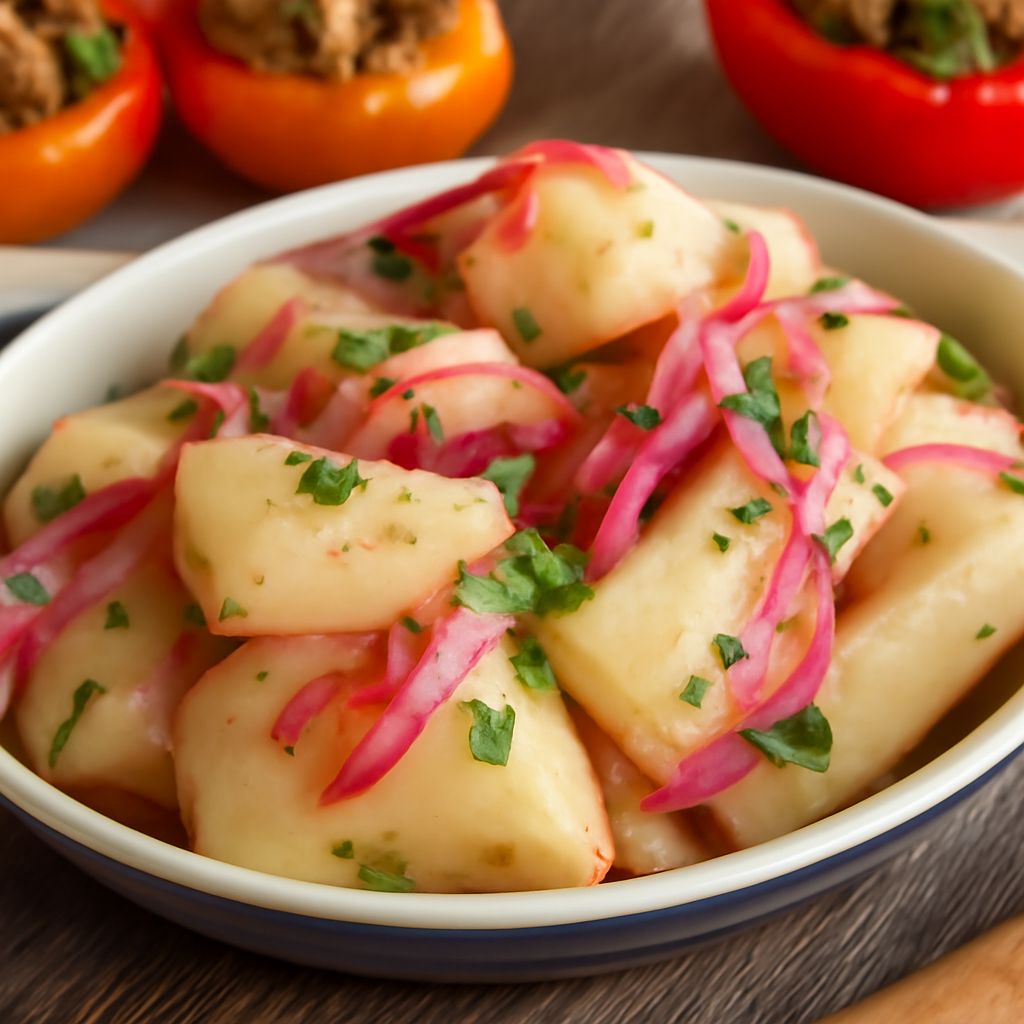
Because cassava contributes mostly starch and little protein, pair a portion with a protein source such as beans, fish, eggs or chicken. Add vegetables for color and fiber, and choose a sauce or oil in the amount you enjoy. For example, serve 3.5 ounces of properly prepared cassava with black beans, sautéed peppers and a squeeze of lime. That makes the nutrition of the yuca root part of a varied plate, with each ingredient contributing something different.